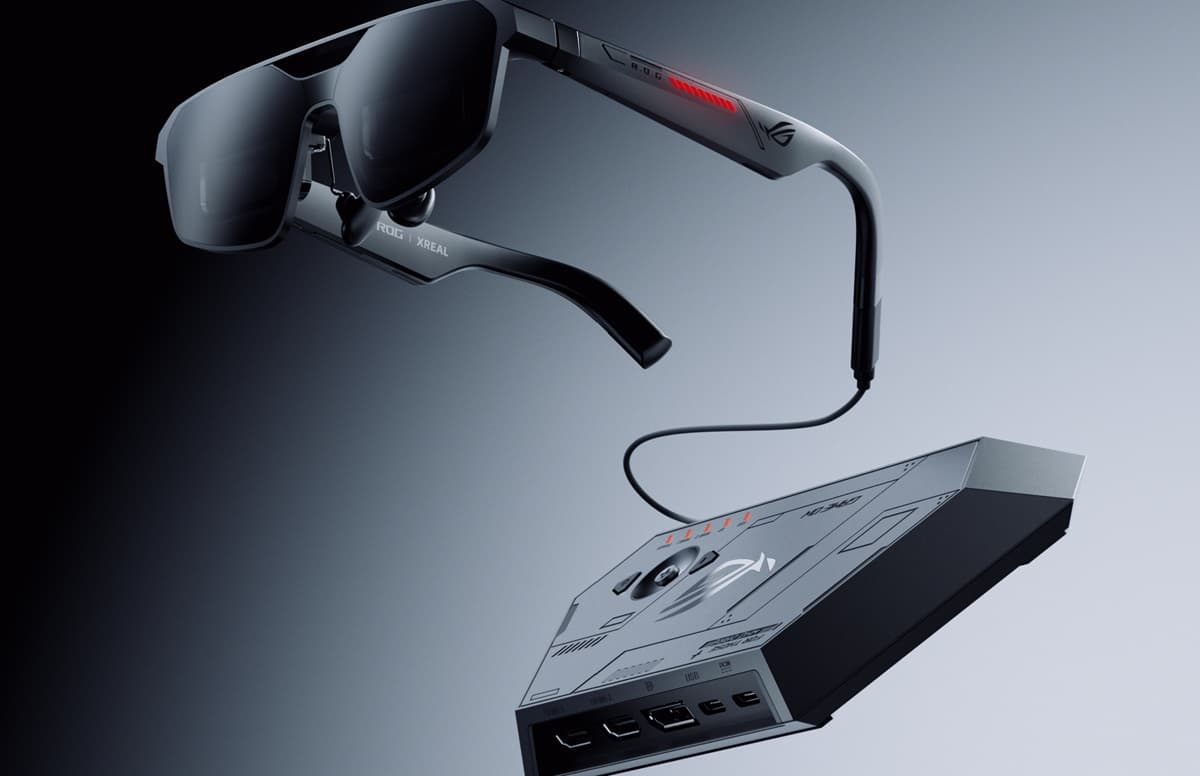
Asus Launches ROG Xreal R1 Gaming AR Glasses

Why It Matters
The R1 pushes AR gaming toward mainstream adoption by marrying high‑refresh‑rate visuals with the popular handheld ecosystem, giving gamers a theater‑size experience without a PC. Its plug‑and‑play design could accelerate AR hardware sales and inspire broader developer support.
Key Takeaways
- •ROG Xreal R1 offers 240 Hz micro‑OLED display, 0.01 ms response
- •Virtual screen size equivalent to 171‑inch TV in AR
- •Seamless integration with Asus ROG Ally enables dual‑display gameplay
- •ROG Control Dock and DisplayWidget provide PC‑style precision controls
- •Electrochromic lenses auto‑adjust tint for comfort across lighting
Pulse Analysis
The launch of the ROG Xreal R1 marks a watershed moment for augmented‑reality gaming, a segment that has long struggled to combine high‑fidelity visuals with practical ergonomics. By leveraging Xreal’s proprietary XR chip and ASUS’s ROG ecosystem, the headset delivers a 240 Hz micro‑OLED panel with a 0.01 ms response time—specs that rival premium PC monitors. The resulting 171‑inch virtual screen, coupled with native 3DoF tracking, creates an immersive field of view that feels more like a personal cinema than a conventional headset, addressing a key barrier to consumer adoption.
What sets the R1 apart is its deep integration with the ROG Ally handheld console. Through the ROG Control Dock and the DisplayWidget Center, users can adjust brightness, aspect ratio, and visual effects in real time without pausing gameplay. This dual‑display approach lets the Ally’s screen serve as a control hub while the glasses project the expansive battlefield, delivering a seamless workflow that mirrors desktop‑class gaming rigs. The inclusion of AI‑driven visual enhancements and Bose audio further blurs the line between portable and stationary gaming experiences.
Industry analysts see the R1 as a catalyst for broader AR acceptance in the gaming market. Its plug‑and‑play nature lowers the entry threshold for both consumers and developers, potentially spurring a wave of AR‑optimized titles. Competitors will need to match ASUS’s blend of high refresh rates, low latency, and ecosystem integration to stay relevant. As AR hardware matures, the R1 could become a reference point for future collaborations between hardware manufacturers and game studios, accelerating the convergence of immersive tech and mainstream gaming.
Asus launches ROG Xreal R1 gaming AR glasses
Comments
Want to join the conversation?
Loading comments...