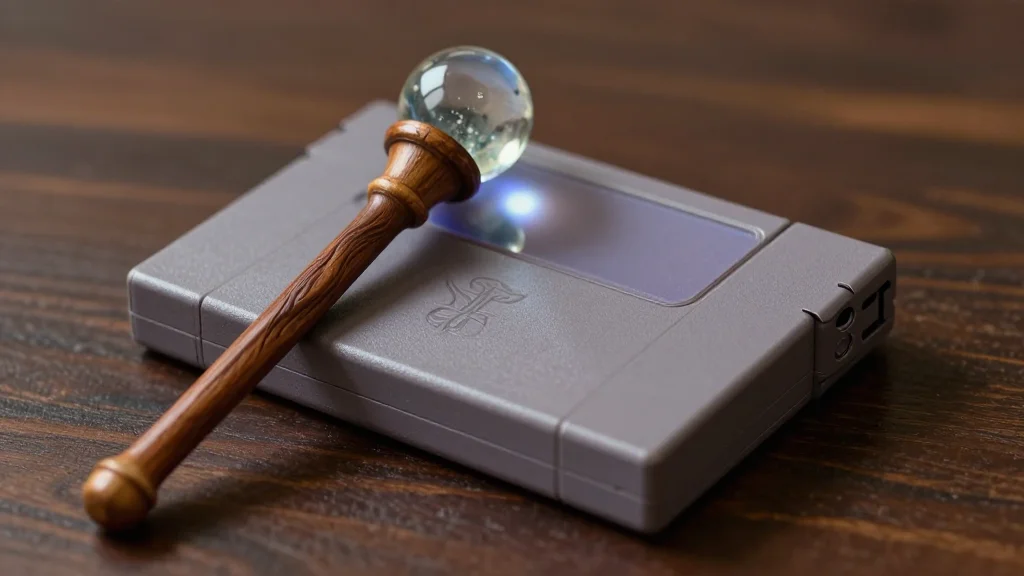
Atari Secures Exclusive Rights to First Five Wizardry RPGs, Aiming for Retro Revival

Companies Mentioned
Why It Matters
The acquisition gives Atari a foothold in the lucrative retro‑gaming niche, where demand for classic RPG experiences remains strong. By controlling the early Wizardry titles, Atari can create a unified brand experience that spans games, tabletop products and visual media, potentially unlocking new revenue streams and revitalizing a franchise that helped define the genre. The split‑custody model also highlights a novel approach to IP management, where different eras of a series can be owned separately, offering both opportunities and challenges for future collaborations. For developers and publishers, Atari's move signals that legacy IPs still hold commercial value when paired with modern production capabilities. It may encourage other companies to revisit dormant catalogs, negotiate selective rights deals, and explore cross‑platform expansions that blend nostalgia with contemporary storytelling and technology.
Key Takeaways
- •Atari obtained exclusive rights to Wizardry 1‑5, the series' original RPGs
- •Drecom retains trademark and rights to Wizardry 6‑8, creating split‑custody ownership
- •Atari plans remasters, physical releases, and cross‑media projects via Digital Eclipse
- •Digital Eclipse was acquired by Atari in 2023 for up to $20 million
- •First remastered title expected Q4 2026, collector edition slated for early 2027
Pulse Analysis
Atari's acquisition of the first five Wizardry titles is a calculated bet on the enduring appeal of classic role‑playing games. The company is leveraging its recent purchase of Digital Eclipse, a studio with a track record of faithful yet modernized remakes, to ensure the technical quality of the revivals meets current player expectations. This strategy aligns with a broader industry pattern where publishers mine legacy libraries for low‑risk, high‑margin products, especially as development costs for new AAA titles continue to rise.
The split‑custody arrangement with Drecom is unusual but potentially advantageous. By isolating the early titles, Atari can craft a cohesive narrative and brand identity without the constraints of the later entries' separate universe. However, the need to coordinate any cross‑title marketing or franchise expansion will require careful legal and creative negotiation, especially if Atari seeks to reference elements from Wizardry 6‑8 in future media.
From a market perspective, the timing is favorable. Retro gaming sales have surged, driven by collector culture and the rise of subscription services that spotlight classic titles. Atari's plan to bundle digital remasters with physical collector editions and expand into tabletop and audiovisual formats could capture multiple revenue streams simultaneously. If the initial releases resonate, Atari may set a precedent for other IP owners to pursue selective rights acquisitions, potentially reshaping how classic game franchises are revitalized in the streaming and cross‑media era.
Atari Secures Exclusive Rights to First Five Wizardry RPGs, Aiming for Retro Revival
Comments
Want to join the conversation?
Loading comments...