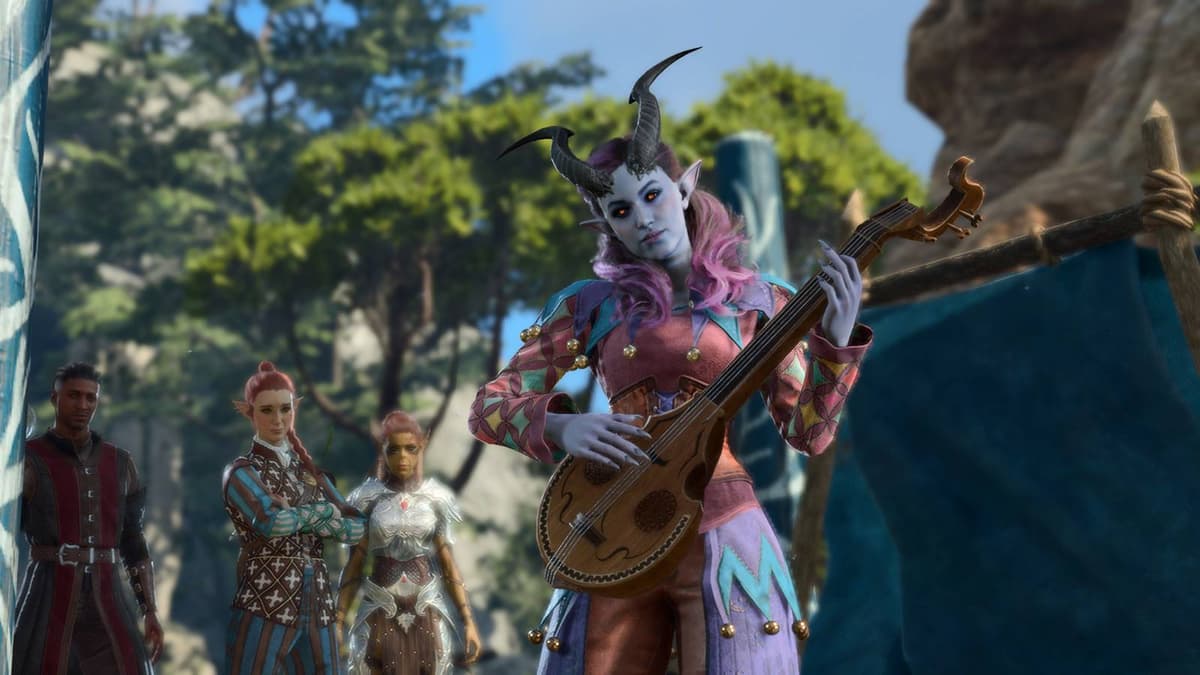
Baldur's Gate 3 Fan Ensures Alfira And Quil Survive If You Play As The Dark Urge
•February 24, 2026
0
Why It Matters
By removing forced character deaths, the mod expands player agency and broadens the game’s appeal to audiences sensitive to extreme violence, highlighting how modders can reshape core story experiences.
Key Takeaways
- •Mod prevents Dark Urge murders, keeps characters alive
- •Alfira and Quil survive as dream events during rests
- •Storyline stays intact while reducing graphic violence
- •Players gain replay options without forced character killing
- •Mod showcases community influence on game narrative flexibility
Pulse Analysis
The Dark Urge origin in Baldur’s Gate 3 has sparked controversy because it obliges players to murder two beloved bards, Alfira and Quil, during an early act. This forced violence not only clashes with the game’s otherwise nuanced role‑playing options but also alienates players who prefer narrative flexibility. As the Dark Urge storyline explores the Bhaalspawn’s murderous impulses, the mandatory killing creates a stark tonal shift that many fans found jarring, prompting a search for alternatives.
Enter the community‑crafted mod “Dark Urge – A Dream of Murder.” Developed by Nexus user Yoonmoonsik, the mod intercepts the lethal night‑time event and replaces it with a vivid dream sequence, preserving the Dark Urge’s internal conflict without ending the lives of Alfira or Quil. Gameplay remains largely unchanged; the characters still join the camp, and the story proceeds, but the graphic murder is transformed into a harmless vision during a long rest. This subtle alteration maintains narrative continuity while offering a more palatable experience for players uncomfortable with explicit violence.
The mod’s success underscores a broader trend: player‑driven content can meaningfully influence a game’s lifecycle. By providing a tool that respects both the original design and diverse player sensibilities, the community demonstrates how modding can extend market reach and enhance replay value. Developers increasingly recognize that supporting robust mod frameworks not only fosters loyalty but also creates a feedback loop that can inform future design decisions, especially in story‑heavy RPGs where player choice is paramount.
Baldur's Gate 3 Fan Ensures Alfira And Quil Survive If You Play As The Dark Urge
0
Comments
Want to join the conversation?
Loading comments...