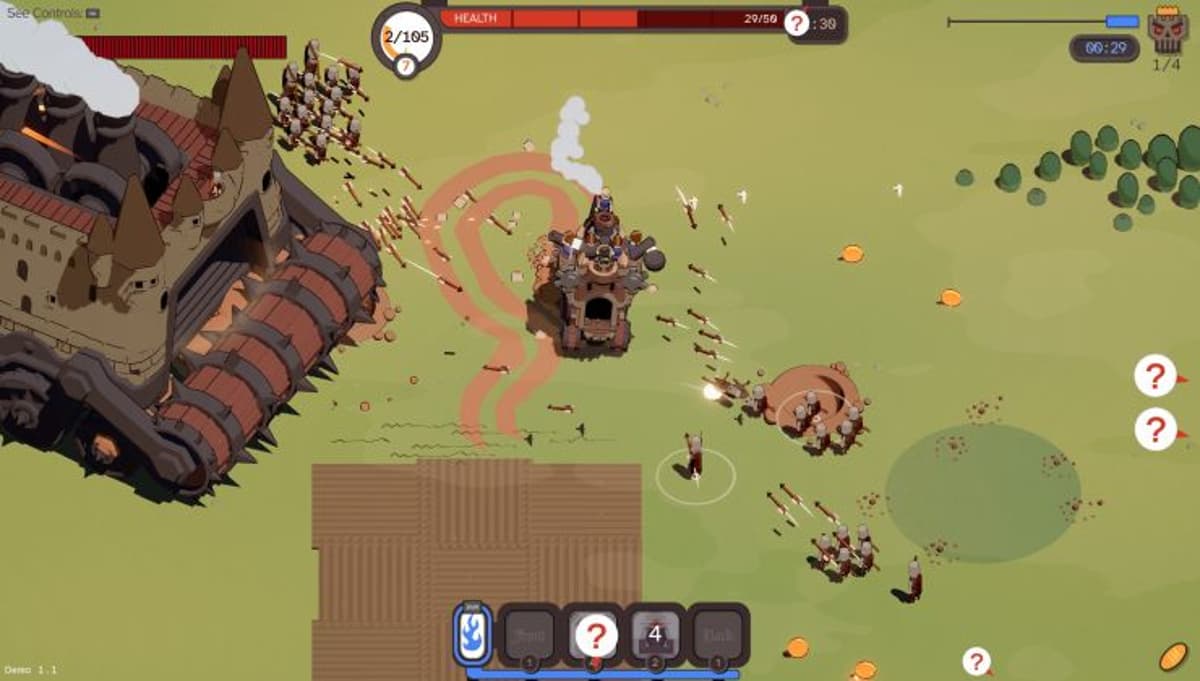
Battling Castles on Wheels? Wanderburg Might Be My New Favourite Thing
•February 24, 2026
0
Why It Matters
The title’s unique hybrid gameplay and cross‑platform support position it for strong launch performance and broader market reach, highlighting the growing profitability of indie titles on Steam’s ecosystem.
Key Takeaways
- •Wanderburg blends roguelike mechanics with mobile castle combat
- •Positive Steam review drives early wishlist spikes
- •Linux support via Proton expands potential player base
- •Upcoming Steam Next Fest demo boosts visibility
- •Modular upgrades encourage repeat play and microtransactions
Pulse Analysis
Wanderburg arrives at a moment when roguelike titles continue to dominate the indie segment, offering high replayability and low development overhead. By marrying procedural castle‑building with a mobile battlefield, the game differentiates itself from traditional bullet‑hell survivors while retaining the genre’s addictive loop of incremental upgrades. Early impressions from reviewer Liam Dawe highlight a seamless blend of strategic construction and chaotic combat, a formula that resonates with players seeking both tactical depth and visceral action. Such hybrid designs often translate into strong word‑of‑mouth promotion, a critical driver for discovery on crowded platforms like Steam.
The title’s compatibility with Linux through Proton 10 is a noteworthy advantage in a market where native Linux releases remain scarce. Proton’s seamless translation layer allows developers to reach the growing Linux gaming community without additional porting costs, effectively expanding the addressable audience by an estimated 5‑7 percent of Steam’s user base. Moreover, the game’s inclusion in Steam Next Fest—a curated showcase that garners millions of impressions—provides a low‑cost marketing channel that can amplify visibility far beyond organic discovery. This cross‑platform readiness aligns with industry trends favoring broader accessibility.
From a business perspective, Wanderburg’s early wishlist surge signals strong pre‑launch demand, which can translate into a robust launch day performance and higher algorithmic placement on Steam’s storefront. The modular upgrade system encourages repeat runs, a mechanic that naturally supports post‑launch monetization through cosmetic DLC or optional weapon packs. Coupled with the upcoming demo at Next Fest, the game is positioned to capitalize on both community hype and data‑driven pricing strategies. Investors and publishers monitoring indie pipelines will likely view Wanderburg as a promising case study in leveraging platform tools for scalable growth.
Battling castles on wheels? Wanderburg might be my new favourite thing
0
Comments
Want to join the conversation?
Loading comments...