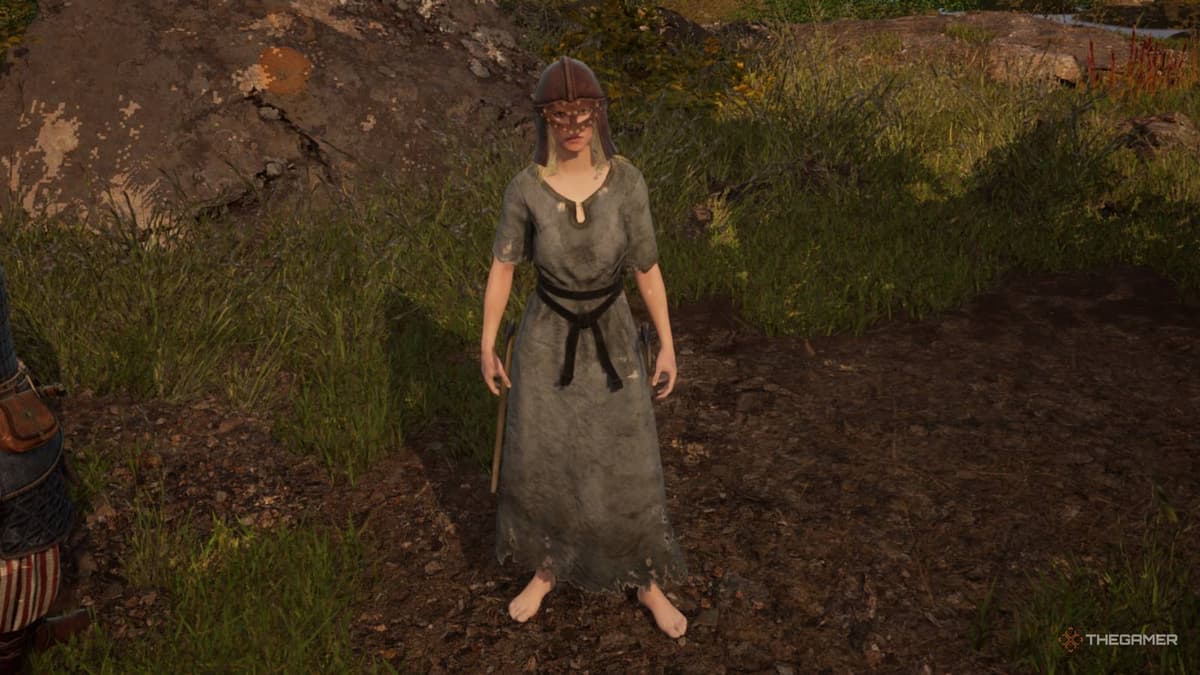
Best Abilities For Berserker Hirdman In Norse: Oath Of Blood
•February 24, 2026
0
Why It Matters
Effective ability selection transforms the Berserker from a high‑risk melee unit into a reliable damage engine, directly influencing win rates and meta dynamics in Norse: Oath Of Blood.
Key Takeaways
- •Bear abilities boost damage and add defensive buffs
- •Wolf abilities focus purely on raw damage output
- •Bloodletting restores health, preferred over Slayer at Oathsworn
- •Pair Berserker with Hersir for survivability
- •Monitor map for recruit refreshes each turn
Pulse Analysis
Norse: Oath Of Blood continues to refine its tactical depth, and the Berserker Hirdman remains a cornerstone melee option for players seeking aggressive board control. Unlike tankier units, the Berserker relies on raw damage output, making the selection of abilities a critical factor in sustaining momentum during combat. Understanding the dichotomy between the Bear and Wolf trees allows players to tailor their approach—whether they prioritize burst damage, incremental buffs, or pure lethality.
The Bear column introduces synergistic effects such as damage amplification and temporary defensive buffs, which can compensate for the Berserker’s modest health pool. Conversely, the Wolf column leans heavily into unmitigated damage, ideal for players comfortable with high‑risk, high‑reward tactics. The guide’s recommendation of Bloodletting at Oathsworn rank provides a pragmatic health‑recovery mechanism, effectively extending the unit’s frontline presence. Pairing the Berserker with a Hersir—a support Hirdman offering protective auras—creates a micro‑ecosystem where offensive pressure is balanced by survivability, a combination that has proven effective in recent competitive ladders.
Community meta‑analysts note that the optimal Berserker build now hinges on adaptive playstyles: aggressive rushes benefit from Wolf abilities and rapid target elimination, while longer engagements favor Bear buffs and the sustain offered by Bloodletting. As developers roll out balance patches, we can expect further nuance in ability scaling, potentially introducing hybrid options that blend both trees. Players who stay attuned to patch notes and adjust their load‑outs accordingly will maintain a strategic edge in the evolving Norse battlefield.
Best Abilities For Berserker Hirdman In Norse: Oath Of Blood
0
Comments
Want to join the conversation?
Loading comments...