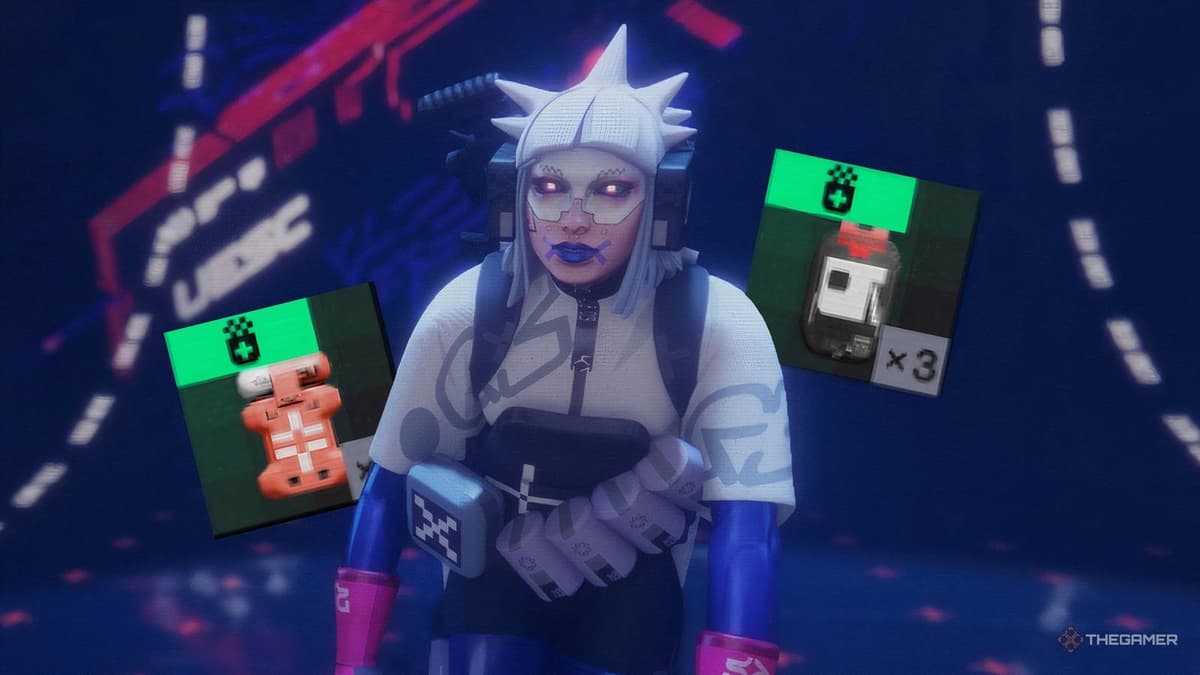
Why It Matters
Effective consumable management can dramatically improve player retention and competitive balance in live‑service shooters, making it a critical design lever for developers and publishers.
Key Takeaways
- •Pangea Kit restores health, shields, and clears debuffs.
- •Large Shield Charge refills shields instantly for aggressive play.
- •Self Revive enables solo survivability without teammate aid.
- •Energy Amp reduces ability cooldowns, boosting combat uptime.
- •Advanced Patch Kit provides large health boost for quick recovery.
Pulse Analysis
Marathon’s consumable system exemplifies how granular item design can shape player experience. By offering health, shield, and status‑clearing options, the game creates micro‑decision points that keep runs dynamic. Players must weigh immediate survival against long‑term resource allocation, a tension that drives engagement and encourages repeated playthroughs. This design philosophy mirrors broader trends in live‑service titles, where nuanced gear choices sustain interest beyond core mechanics.
From a competitive standpoint, the highlighted top consumables—Pangea Kit, Advanced Patch Kit, Large Shield Charge, Self Revive, and Energy Amp—serve as equalizers and power spikes. Teams that master timing and placement of these items can outmaneuver opponents, turning disadvantageous encounters into victory opportunities. Moreover, the ability to equip consumables pre‑deployment introduces a meta‑layer akin to load‑out customization, influencing tournament strategies and spectator appeal. Developers can monetize such systems through cosmetic skins or limited‑time bundles without compromising gameplay balance.
Industry observers note that consumable depth contributes to longer player lifecycles and higher monetization potential. By integrating items that affect both survivability and performance, Marathon encourages players to invest time in mastering item synergies, fostering a community of content creators and analysts. This approach aligns with successful models seen in titles like Apex Legends and Destiny 2, where consumable variety drives both in‑game economics and external engagement. As the market leans toward service‑driven experiences, thoughtful consumable design will remain a pivotal tool for sustaining revenue and player loyalty.
Best Consumables In Marathon
0
Comments
Want to join the conversation?
Loading comments...