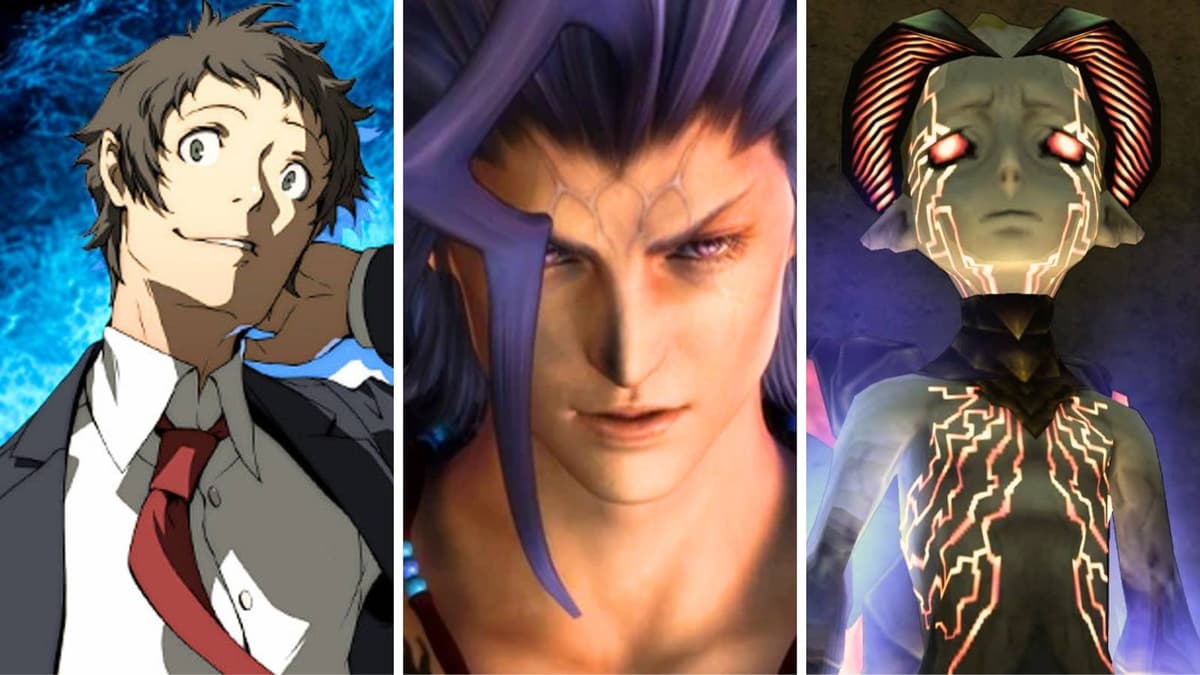
Best PS2 JRPG Villains that Are More Interesting Than the Hero
Companies Mentioned
Why It Matters
Complex villains elevate player engagement and set a storytelling benchmark that continues to influence modern RPG design. Understanding these archetypes helps developers craft richer narratives that resonate with global audiences.
Key Takeaways
- •Xehanort pursues balance between light and darkness, not pure evil
- •Seymour Guado mirrors the hero’s goals, adding moral ambiguity
- •Rhapthorne’s monstrous form subverts traditional mastermind expectations
- •Avalon’s hatred stems from a specific, personal trauma
- •Adachi hides villainy behind ordinary, comic‑relief behavior
Pulse Analysis
The PlayStation 2 era remains a golden age for JRPGs, not just for their technical achievements but for the narrative ambition they displayed. Developers leveraged the console’s expanded storage to flesh out antagonists with detailed histories, turning villains into narrative pillars rather than mere obstacles. This shift allowed games to explore themes of balance, identity, and sacrifice, inviting players to question the binary of hero versus villain.
Among the highlighted antagonists, several patterns emerge. Many, such as Xehanort from *Kingdom Hearts* and Avalon from *Legaia 2*, are driven by personal loss or a desire for equilibrium, framing their actions as logical extensions of trauma. Others, like Seymour Guado and Tohru Adachi, employ deception, presenting themselves as relatable or even helpful before revealing darker motives. These character designs create emotional resonance, prompting players to empathize with antagonists and recognize that villainy can stem from understandable, if twisted, reasoning.
The legacy of these PS2 JRPG villains is evident in contemporary titles that prioritize morally gray characters and intricate backstories. Modern developers cite these classics as inspiration for crafting antagonists who challenge players’ ethical frameworks, enhancing replay value and critical discussion. For industry observers, the article underscores the commercial and artistic payoff of investing in layered villainy—a strategy that continues to drive engagement and differentiate standout RPG experiences in a crowded market.
Best PS2 JRPG Villains that are More Interesting Than the Hero
Comments
Want to join the conversation?
Loading comments...