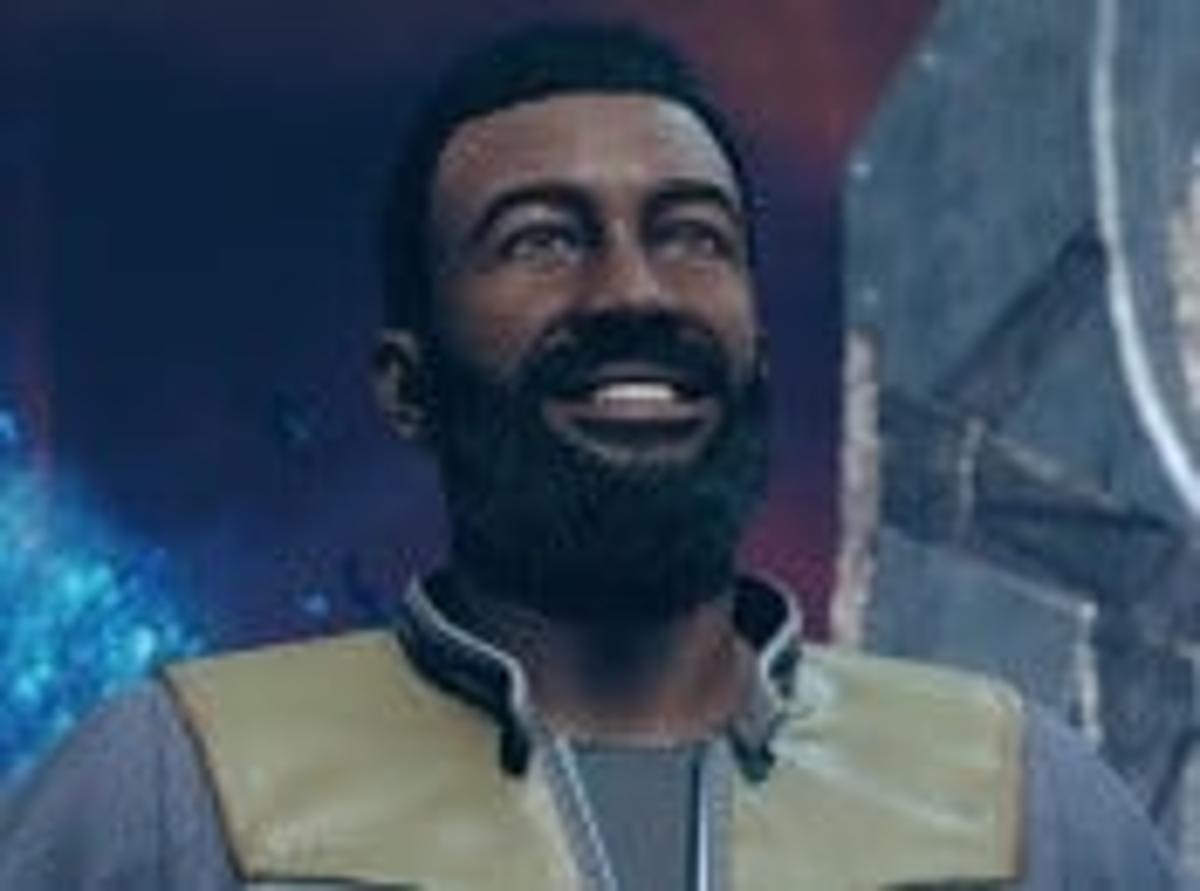
Bethesda Says Starfield's Next Update Will 'Change The Game' But 'It's Not Starfield 2.0'
•February 19, 2026
0

Why It Matters
The announcement signals Bethesda’s commitment to extending Starfield’s lifecycle, influencing player retention and Xbox’s post‑launch content strategy. It also sets expectations for the industry on how major RPGs evolve without releasing a sequel.
Key Takeaways
- •Update aims to add meta gameplay changes
- •Not a Starfield 2.0, but significant enhancements
- •Release date unspecified, arriving soon
- •Bethesda plans ongoing Starfield support
- •Fans expected to enjoy expanded content
Pulse Analysis
Starfield launched to mixed reactions, with many praising its ambition while others critiqued its pacing and depth. In the current gaming climate, post‑launch support can make or break a title’s long‑term profitability, as seen with titles like Elden Ring and Cyberpunk 2077. Bethesda’s decision to roll out a substantial update rather than a sequel reflects a strategic shift toward sustaining player engagement through iterative improvements, a model increasingly favored by publishers seeking to maximize a game’s revenue curve.
The forthcoming update is described as "meta," suggesting systemic tweaks—such as new exploration mechanics, refined resource management, and broader use of the game’s space setting—rather than isolated content drops. This approach aligns with industry trends where developers prioritize quality‑of‑life upgrades and deeper gameplay loops over superficial DLC. By avoiding a full sequel label, Bethesda manages expectations, reducing pressure to deliver a ground‑breaking new title while still delivering meaningful value to the existing player base.
For Xbox and the broader market, the update reinforces Microsoft’s strategy of bolstering its exclusive portfolio. Continuous content signals to subscribers that high‑profile releases like Starfield will remain fresh, enhancing the appeal of Xbox Game Pass. Moreover, the commitment to ongoing development hints at Bethesda’s broader roadmap, where resources may be balanced between Starfield, upcoming titles, and next‑gen innovations, shaping the competitive dynamics of the RPG space for years to come.
Bethesda Says Starfield's Next Update Will 'Change The Game' But 'It's Not Starfield 2.0'
0
Comments
Want to join the conversation?
Loading comments...