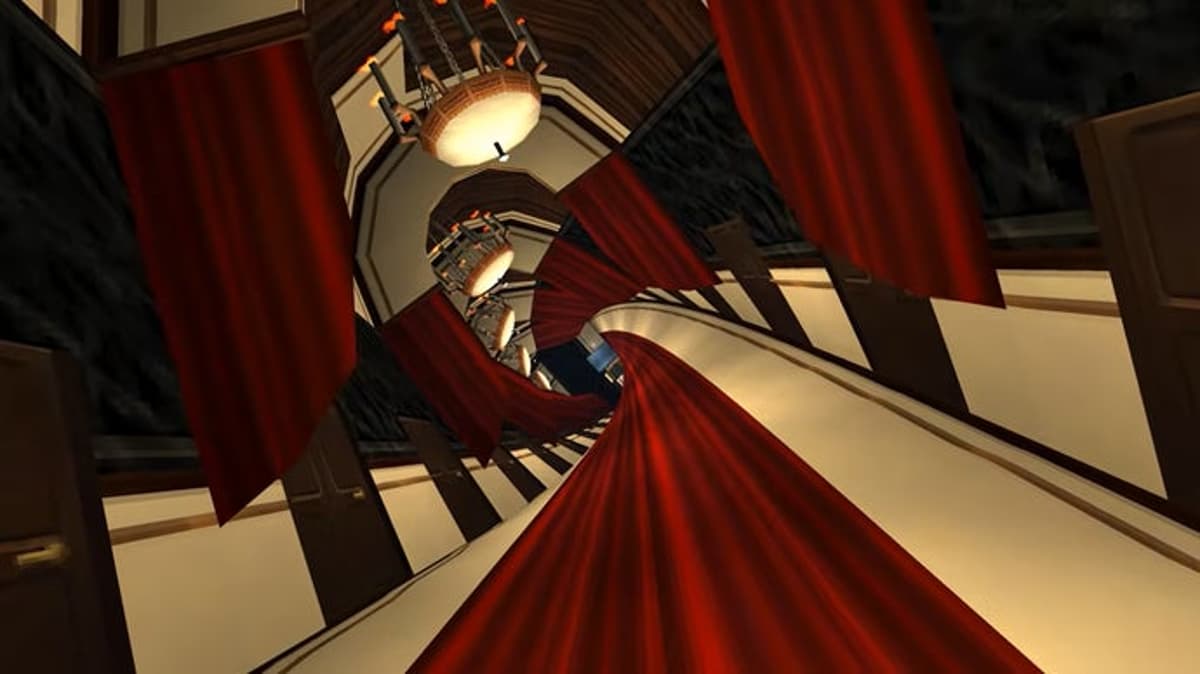
Blood-Drunk Shooter Ultrakill Is Back with a Whole Hellworld Full of Lies, Portals and Non-Euclidean Spaces
•February 25, 2026
0
Why It Matters
The update demonstrates how indie studios can push technical boundaries, reinforcing Ultrakill's role in the resurgence of fast‑paced shooters and setting a benchmark for procedural, non‑Euclidean level design.
Key Takeaways
- •Fraud adds eighth Hell layer with portal mechanics.
- •Update delayed due to complex non‑Euclidean coding.
- •New programmer hired to solve portal physics.
- •Gameplay blends Quake speed with Devil May Cry style.
- •Indie FPS keeps retro shooter genre alive.
Pulse Analysis
Ultrakill has carved a niche in the indie FPS market by marrying classic 1990s shooter mechanics with modern, fluid movement systems. The Fraud update, its most ambitious expansion yet, adds an eighth layer of Hell that defies conventional geometry, forcing players to navigate spaces where sightlines, sound, and lighting behave unpredictably. This evolution not only refreshes the core loop for existing fans but also showcases how a small team can innovate within a genre often dominated by big‑budget titles, keeping the retro‑shooter revival vibrant.
The technical hurdles behind Fraud were significant. Implementing non‑Euclidean portals required rewriting enemy AI, ensuring that projectiles, sound waves, and reflections could traverse warped spaces without breaking gameplay coherence. To meet these demands, New Blood hired a dedicated programmer whose primary task was to untangle the complex physics and rendering pipelines. The result is a seamless experience where players can trust the combat flow even as the environment actively deceives their perception, a rare achievement for an early‑access title.
From a market perspective, Ultrakill's successful delivery of such a sophisticated update signals strong consumer appetite for high‑skill, fast‑paced shooters that push design boundaries. It reinforces the viability of indie developers competing on innovation rather than sheer production scale. As the FPS landscape continues to fragment between battle‑royale giants and narrative‑driven experiences, Ultrakill’s blend of nostalgic gameplay and avant‑garde level design positions it as a benchmark for future indie projects aiming to revitalize classic genres.
Blood-drunk shooter Ultrakill is back with a whole hellworld full of lies, portals and non-Euclidean spaces
0
Comments
Want to join the conversation?
Loading comments...