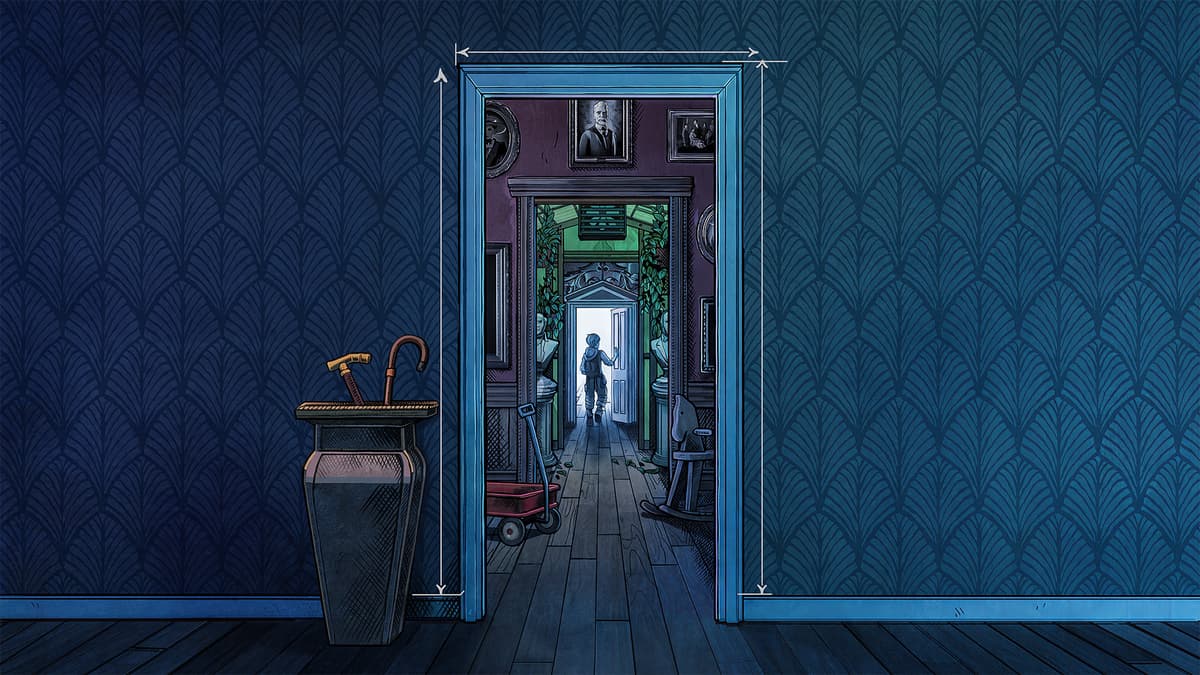
Blue Prince's Somber Tone Was Inspired by Myst, Says Creator
•March 4, 2026
0
Why It Matters
Ros’s Myst‑inspired approach demonstrates how environmental storytelling can elevate indie puzzle games, influencing player immersion and industry standards for narrative depth.
Key Takeaways
- •Blue Prince won two DICE Awards 2026
- •Game’s somber tone inspired by classic Myst
- •Narrative delivered via notes, photos, and score
- •Randomized mansion layout balances puzzle challenge and mood
- •Player confronts family tragedy in the Tomb area
Pulse Analysis
Blue Prince’s rapid ascent reflects a broader shift in the indie gaming landscape, where tightly crafted puzzle mechanics intersect with cinematic storytelling. The title’s procedural mansion design offers endless replayability, while its award‑winning level design showcases how indie studios can compete with larger developers on innovation. By securing top honors at the DICE Awards, the game has cemented its reputation as a benchmark for design excellence, attracting both hardcore puzzlers and casual players seeking fresh experiences.
The explicit nod to Myst underscores a resurgence of environmental storytelling in modern titles. Rather than relying on dialogue‑heavy exposition, Blue Prince uses scattered artifacts—letters, photographs, and an evocative score—to convey a lineage of grief and betrayal. This method mirrors Myst’s calm yet mysterious ambience, allowing players to piece together narrative fragments at their own pace. Such design choices deepen immersion, as the somber tone becomes a character in its own right, guiding emotional responses without overt direction.
For developers, Ros’s strategy signals a viable path: blend procedural challenges with a strong, mood‑driven narrative to differentiate products in a crowded market. The Tomb sequence, where a poignant family letter reshapes player motivation, illustrates how a single narrative beat can transform gameplay perception. As players increasingly demand richer story layers, studios that master this balance are likely to see heightened critical acclaim and stronger community engagement, setting new expectations for indie game storytelling.
Blue Prince's somber tone was inspired by Myst, says creator
0
Comments
Want to join the conversation?
Loading comments...