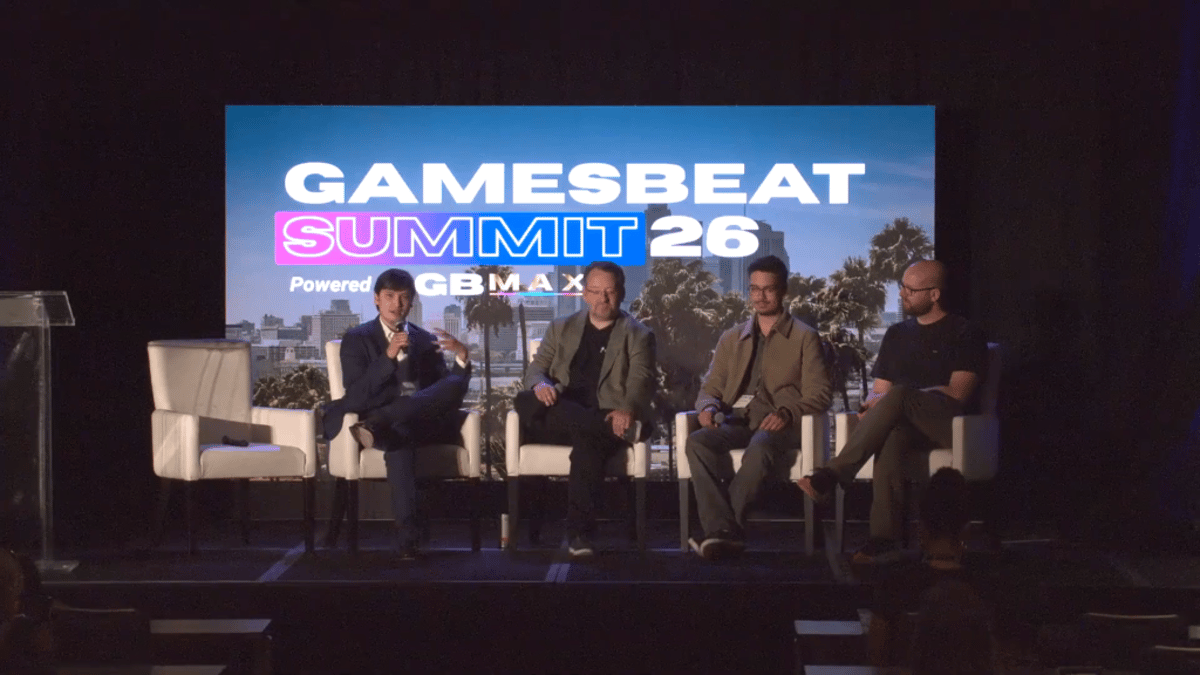
Building Stronger Game Economies Through Player Relationships | Gamesbeat Summit Recap
Companies Mentioned
Why It Matters
Owning the player relationship gives studios real‑time insight to accelerate monetization and foster lasting loyalty in an increasingly competitive mobile landscape.
Key Takeaways
- •Player first purchases now require confidence-building, extending acquisition cycles
- •Installment payments gaining traction in West, mirroring Brazil’s decade‑long norm
- •Real‑time data feedback (days) essential for UGC and AI‑driven updates
- •UGC community loyalty can pre‑sell games, as shown by Hytale’s early revenue
- •Listening to player sentiment directly outperforms solely quantitative metrics
Pulse Analysis
The modern game economy no longer relies solely on one‑off transactions; it thrives on a continuous loop of engagement, data collection, and personalized offers. When studios own the direct relationship with players, they gain access to granular behavioral signals—what genres a user enjoys, how long they linger on a new feature, and where friction appears in the purchase funnel. This depth of insight enables developers to tailor in‑game economies, experiment with pricing models, and predict churn before it happens, turning data into a strategic asset rather than a byproduct.
Payment preferences are evolving rapidly. While buy‑now‑pay‑later schemes have long been standard in regions like Brazil, Western developers are now catching up, offering installment options for high‑value items such as season passes or premium cosmetics. This shift shortens the hesitation gap for first‑time spenders, especially in mobile titles where trust must be earned over multiple sessions. Real‑world examples, from Subway Surfers’ rapid sentiment‑driven updates to Hytale’s pre‑launch sales fueled by a passionate UGC community, illustrate how aligning payment flexibility with community loyalty can generate upfront revenue streams that sustain studios through development cycles.
Speed of insight is the new competitive moat. Traditional analytics cycles that span weeks or months are untenable in a landscape dominated by user‑generated content and AI‑enhanced experiences. Studios that can measure the impact of a new character, event, or pricing tweak within days can iterate faster than rivals, preserving player goodwill and maximizing lifetime value. Integrating platform‑native tools with third‑party data sources creates a unified revenue view, while a culture that treats designers and artists as business stakeholders ensures that creative decisions are grounded in measurable outcomes. As AI continues to automate personalization, the studios that embed data‑driven decision‑making into every creative process will shape the next generation of robust, player‑centric game economies.
Building stronger game economies through player relationships | Gamesbeat Summit Recap
Comments
Want to join the conversation?
Loading comments...