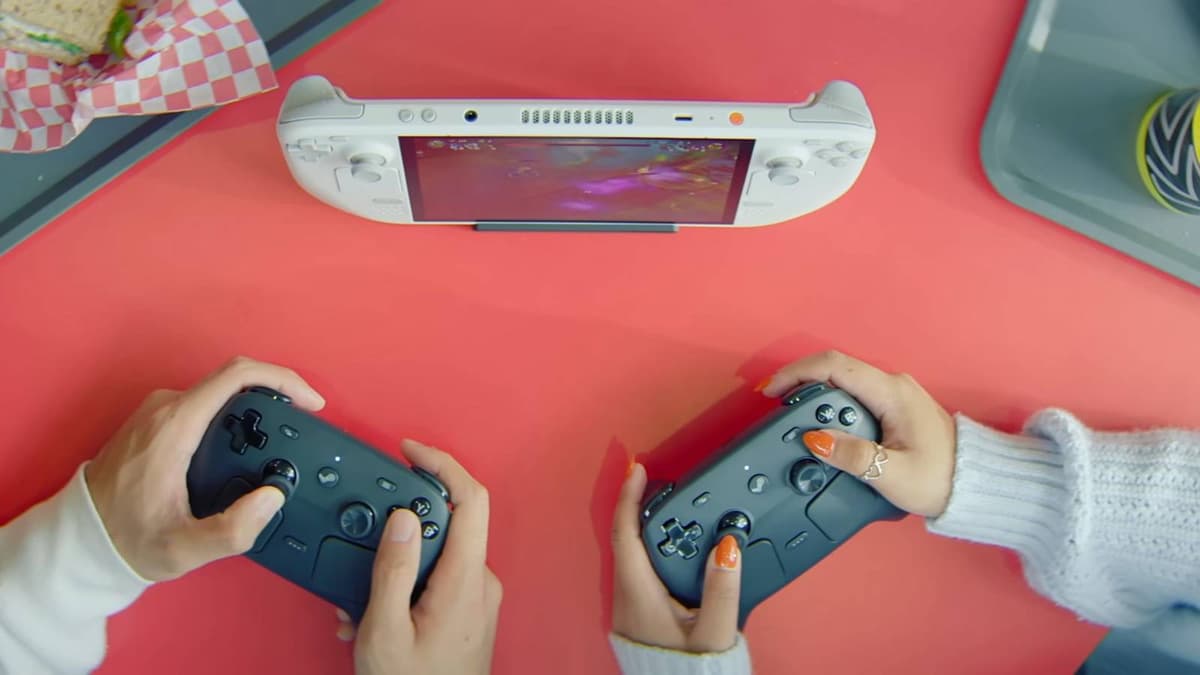
Can the Steam Controller Justify the Price Hike Over Sony's DualSense?
Companies Mentioned

Valve
Sony
Why It Matters
The pricing gap puts pressure on Valve’s hardware ambitions and could deter gamers from adopting a proprietary controller, affecting its push into the console‑like PC segment. It also highlights how component cost volatility can reshape product strategies in the gaming industry.
Key Takeaways
- •Steam Controller priced at $100, $25 above DualSense
- •Valve's Steam Machine faces high RAM cost, risking affordability
- •Trackpad features insufficient to justify premium price
- •Open Steam platform allows cheaper third‑party controllers
- •Valve's hardware push may strain PC‑gaming market pricing
Pulse Analysis
The leaked $100 price for Valve’s Steam Controller arrives at a time when gamers are accustomed to sub‑$80 peripherals, notably Sony’s DualSense at $75. While the controller boasts dual trackpads and deep integration with Steam’s input mapping, those features alone struggle to command a premium in a crowded market where third‑party options deliver comparable performance for less. Early reactions on forums and social media underscore a growing consumer expectation for value‑driven hardware, especially as the broader console ecosystem continues to push price points lower through aggressive bundling and seasonal discounts.
Valve’s hardware roadmap, anchored by the Steam Machine, faces a separate but related challenge: a global RAM price surge that has inflated the bill of materials for any PC‑based console. Unlike the controller, the Steam Machine’s cost structure is heavily dependent on memory, making it vulnerable to supply‑chain shocks. This cost pressure forces Valve to either absorb margins or pass expenses onto consumers, potentially pricing the system out of reach for its target demographic. The controller’s pricing, however, does not directly reflect these component costs, suggesting a strategic decision to position the device as a premium accessory rather than a cost‑neutral add‑on.
The broader implication for the PC‑gaming market is a reinforcement of the open‑platform advantage that Steam already offers. Gamers can pair any compatible controller with the platform, sidestepping Valve’s higher‑priced offering. As a result, the Steam Controller may become a niche product for enthusiasts seeking its unique trackpad functionality, while the majority gravitate toward more affordable alternatives. For Valve, the key will be aligning its hardware pricing with market realities or leveraging exclusive software features to justify the premium, a balance that will determine whether its 2026 hardware push reshapes or merely adds to the existing controller landscape.
Can the Steam Controller Justify the Price Hike Over Sony's DualSense?
Comments
Want to join the conversation?
Loading comments...