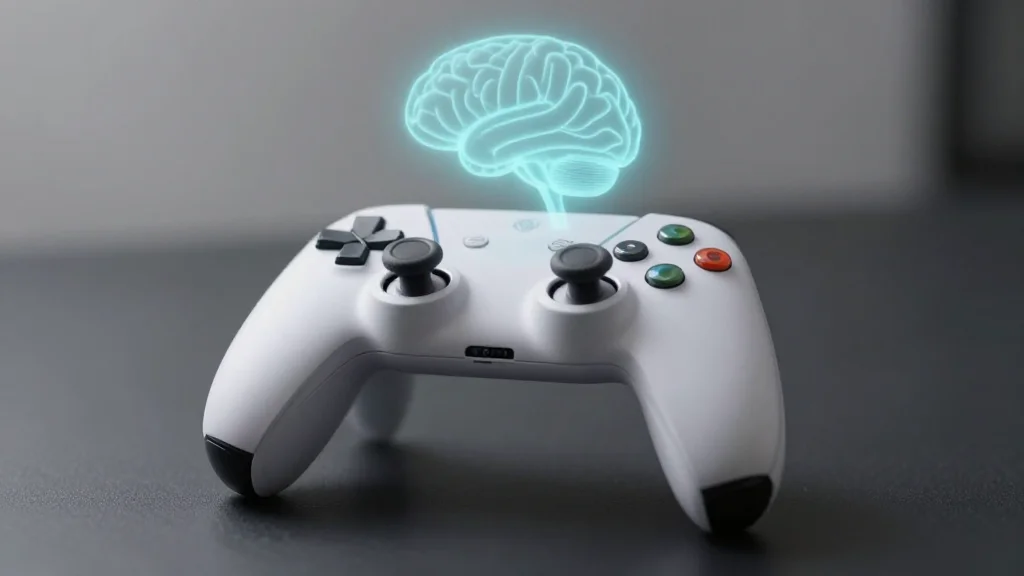
Capcom Says Generative AI Still Can’t Match Developers for Resident Evil, Monster Hunter Assets

Companies Mentioned
Why It Matters
Capcom’s public rejection of generative AI for core asset creation underscores a broader industry debate about the limits of machine‑generated art. By positioning AI as a productivity tool rather than a creative substitute, the publisher signals that the premium placed on human sensibility in AAA titles remains high, potentially slowing the adoption curve for AI‑generated visuals. At the same time, the company’s focus on AI‑powered debugging and play‑testing could set a new standard for how studios streamline quality assurance, reducing development cycles and costs without compromising artistic vision. If other major developers follow Capcom’s lead, the market may see a bifurcated AI landscape: one where AI handles repetitive, data‑heavy tasks, and another where human artists retain control over narrative and aesthetic decisions. This split could shape hiring trends, tooling investments, and the future economics of game production, especially as next‑gen consoles demand ever‑greater asset counts.
Key Takeaways
- •Capcom will not use generative AI to create assets for Resident Evil Requiem or Monster Hunter Stories 3.
- •VP Shinichi Inoue cites "human sensibility" as the key factor AI cannot replicate.
- •AI is deployed for debugging and play‑testing, with a system that screens concepts while developers sleep.
- •Capcom is testing AI across graphics, sound and programming but rules out AI‑generated final content.
- •The stance may influence other AAA studios to treat AI as a support tool rather than a creative replacement.
Pulse Analysis
Capcom’s declaration is a reality check for the AI‑first narrative that has dominated tech headlines this year. While generative models like Stable Diffusion and Midjourney can produce impressive textures in minutes, they lack the contextual awareness that veteran artists bring to a franchise with a storied visual language. Capcom’s emphasis on "sensibility" reflects a deeper truth: AAA games are as much about brand identity as they are about technical achievement. By keeping the artistic core human‑driven, Capcom protects the aesthetic continuity that fans expect from Resident Evil and Monster Hunter, mitigating the risk of alienating a loyal player base.
From a business perspective, the company’s hybrid approach could yield measurable efficiency gains. Automating routine QA tasks frees senior designers to iterate on core gameplay loops, potentially shortening development timelines and reducing overtime costs—a persistent pain point in the industry. Moreover, leveraging Google Gemini positions Capcom within a growing ecosystem of cloud‑based AI services, which may lower infrastructure overhead and provide scalable compute for large‑scale testing.
Looking forward, the real test will be whether Capcom can translate these internal efficiencies into market advantage without compromising creative quality. If the AI‑augmented pipeline proves reliable, we may see a new benchmark for development speed that other publishers will scramble to emulate. Conversely, should the AI‑driven debugging introduce unforeseen bugs or misinterpret design intent, the backlash could reinforce the industry’s wariness of over‑reliance on machine intelligence. Capcom’s cautious yet progressive stance thus serves as a bellwether for the next phase of AI integration in game development.
Capcom says generative AI still can’t match developers for Resident Evil, Monster Hunter assets
Comments
Want to join the conversation?
Loading comments...