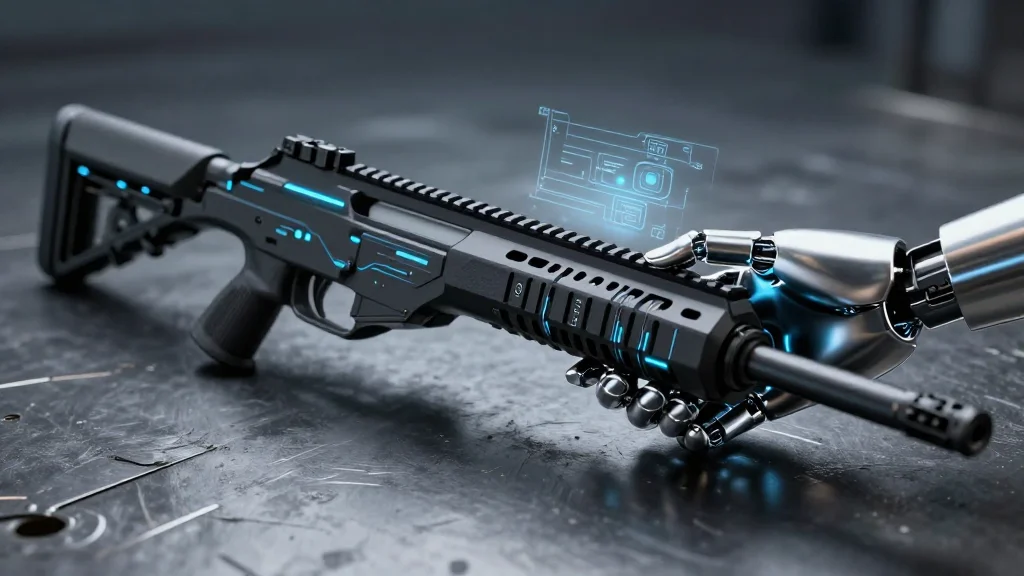
Capcom's Pragmata Earns Praise for Innovative Hack‑and‑shoot Gameplay

Companies Mentioned
Why It Matters
Pragmata’s critical reception signals a shift in how AAA developers can innovate without relying on massive open worlds. By delivering a tightly designed combat puzzle within a narrative‑driven sci‑fi setting, Capcom shows that fresh mechanics can revitalize the third‑person shooter genre. The game’s emphasis on human‑AI relationships also taps into broader cultural conversations about artificial intelligence, giving it relevance beyond pure entertainment. If Pragmata’s hybrid approach proves commercially successful, it could inspire other studios to experiment with gameplay blends, potentially leading to a wave of titles that prioritize skill‑based puzzles alongside traditional action. This would diversify the market and offer gamers more varied experiences, challenging the dominance of sprawling sandbox games.
Key Takeaways
- •Capcom's Pragmata retails for $59 and has been praised for its hack‑and‑shoot combat system.
- •Reviewers highlight the unique hacking mini‑game that must be completed before weapons can damage enemies.
- •The emotional bond between protagonist Hugh and android Diana is cited as a narrative strength.
- •The game runs smoothly on current hardware, leveraging Capcom's RE Engine for crisp visuals.
- •Pragmata’s success may encourage more AAA titles to blend puzzle mechanics with shooter gameplay.
Pulse Analysis
Pragmata arrives at a crossroads where the AAA market is saturated with open‑world epics and live‑service titles. Capcom’s decision to focus on a concise, mechanically innovative experience is a calculated risk that pays off by differentiating the game in a crowded field. The hacking mechanic does more than add a novelty factor; it fundamentally reshapes combat pacing, forcing players to think strategically rather than relying on reflexive gunplay. This design choice aligns with a broader industry trend toward hybridization—think of how rhythm‑based combat in titles like *Stray* or *Ghostwire: Tokyo* has broadened player expectations.
From a business perspective, Pragmata’s $59 price point positions it as a premium yet accessible offering, likely appealing to both core gamers and newcomers drawn by its unique hook. Capcom’s established reputation for high‑quality production values, combined with a fresh IP, reduces the risk associated with launching a new franchise. Moreover, the game’s narrative focus on AI companionship resonates with current cultural dialogues about technology, potentially attracting media attention beyond traditional gaming outlets.
Looking forward, the real test will be Pragmata’s longevity. If Capcom can leverage the hacking system for post‑launch content—new nodes, enemy types, or even a multiplayer mode—the title could evolve into a platform for ongoing engagement. Even without extensive DLC, the game’s design encourages replayability through New Game Plus and mastery of increasingly complex hacking puzzles. Should the market respond positively, we may see a resurgence of tightly scoped, mechanically daring AAA titles that prioritize depth over breadth, reshaping the development playbook for the next generation of console and PC releases.
Capcom's Pragmata earns praise for innovative hack‑and‑shoot gameplay
Comments
Want to join the conversation?
Loading comments...