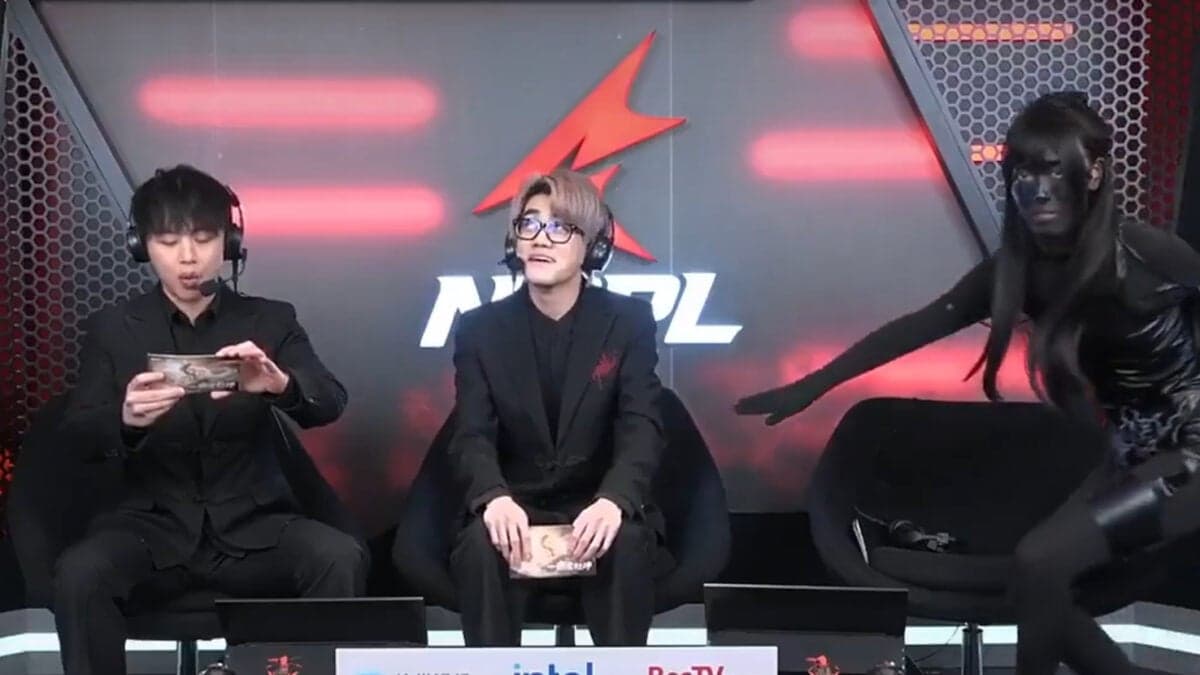
Chinese Esports Host Accused Of Blackface Following On-Stream Stunt

Companies Mentioned
Why It Matters
The controversy reveals the risk of cultural misinterpretation in rapidly expanding esports, potentially damaging talent reputations and league credibility. It underscores the need for clearer communication and guidelines as competitive gaming goes global.
Key Takeaways
- •Zha Zha painted black for in‑game stealth skin, not racial mockery
- •NBPL organizers previously accused of forcing revealing outfits on female hosts
- •“Shadow Person” skins are popular for tactical advantage in Naraka
- •Western audiences misinterpreted the stunt as blackface due to cultural gap
- •The incident highlights esports’ cross‑cultural communication challenges
Pulse Analysis
The 2026 NBPL Spring Tournament for *Naraka: Bladepoint* thrust Chinese commentator Zha Zha into an unexpected controversy when she appeared on‑camera coated head‑to‑toe in black paint. The stunt was not a costume change prompted by fashion criticism; rather, it mirrored a long‑standing tactic among high‑ranked players who apply a completely dark facial skin to gain a visual edge in the game’s stealth‑focused maps. Zha Zha, known online as “Chirp Chirp,” often cosplays as in‑game characters, and her black‑painted entrance was meant to echo the “Shadow Person” skins that elite competitors use to disappear behind foliage and rooftops.
Western observers quickly labeled the performance as blackface, a term that carries a painful history of racial caricature in the United States and Europe. In China, however, the gesture is rooted in gaming strategy rather than racial intent, and the term “blackface” does not carry the same cultural weight. The rapid translation of the incident into English stripped away the nuance of Naraka’s customization system, where players upload dark‑toned facial codes to blend into shadows. This gap illustrates how esports, a global medium, can suffer misinterpretation when local practices meet international audiences without proper context.
The fallout underscores a broader challenge for esports organizers: balancing authentic competitive expression with culturally sensitive presentation. As tournaments expand into Western markets, broadcasters may need to provide explanatory overlays or pre‑event briefings to avoid similar flashpoints. Moreover, the episode could prompt league officials to draft clearer guidelines on on‑air attire and in‑game demonstrations, ensuring that strategic choices are not mistaken for offensive symbolism. Ultimately, the Zha Zha controversy serves as a reminder that the rapid globalization of competitive gaming demands proactive cross‑cultural communication to protect both talent and brand reputation.
Chinese Esports Host Accused Of Blackface Following On-Stream Stunt
Comments
Want to join the conversation?
Loading comments...