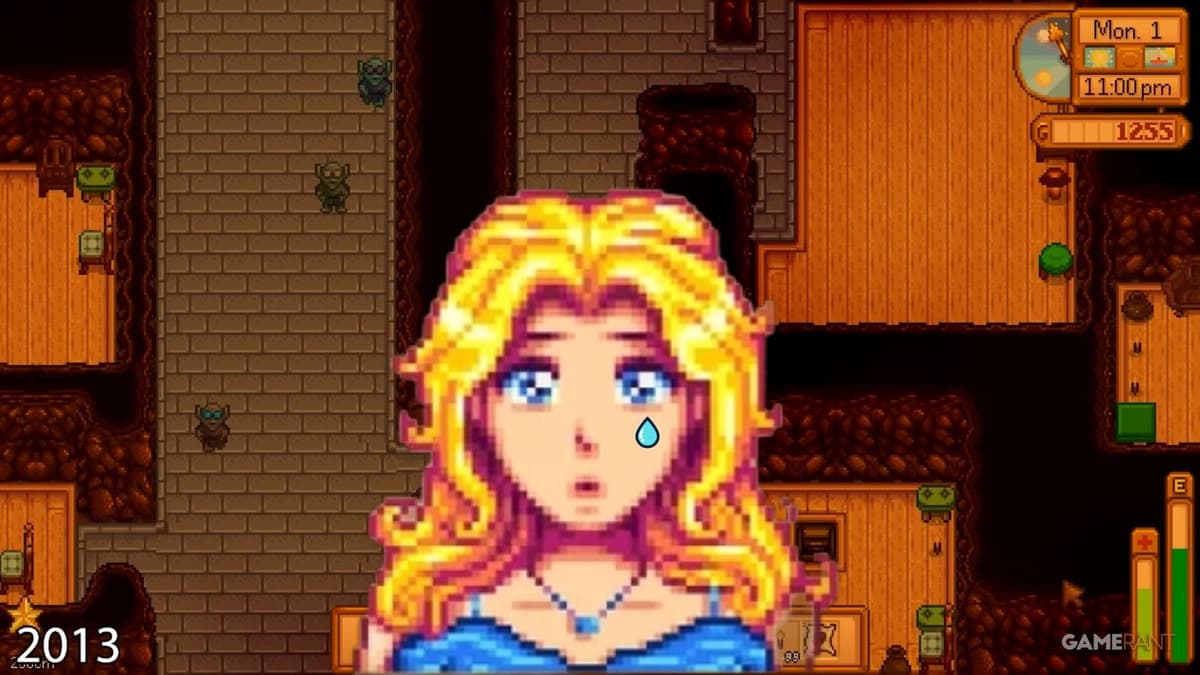
ConcernedApe Cut Stardew Valley’s Saddest Content 13 Years Ago, and I’m Forever Thankful
•March 1, 2026
0
Why It Matters
Removing the goblin level protects player empathy and reinforces Stardew Valley’s reputation as a safe, emotionally resonant experience, illustrating the broader impact of narrative choices on indie game success.
Key Takeaways
- •Goblin village existed in 2013 mine prototype.
- •Level featured sentient goblins with homes and loot.
- •Developer removed it to avoid player cruelty.
- •Choice preserves Stardew's gentle, empathetic tone.
- •Shows how design boundaries shape player experience.
Pulse Analysis
When ConcernedApe released the 10‑year anniversary video, fans caught a glimpse of Stardew Valley’s embryonic stages. Among the footage, a 2013 mine prototype revealed a hidden goblin village, complete with torches, tables and loot‑dropping enemies. The level treated goblins as sentient residents, turning the player’s sword into a tool of mass slaughter. This content never made it into the final 2016 launch, but its existence underscores how early builds can contain dramatically different narrative directions and sparked debate among longtime fans about the game's moral direction.
Removing the goblin village was a deliberate design decision aimed at preserving Stardew Valley’s core ethos of gentle exploration. By refusing to make cruelty a gameplay mechanic, the game encourages players to confront hardship—poverty, loneliness, burnout—without forcing them to become perpetrators. This empathy‑first approach aligns with a growing trend among indie developers who prioritize emotional safety over shock value, recognizing that player retention often hinges on a sense of comfort and narrative trust, and demonstrates how subtle UI cues can reinforce that philosophy. The choice also reinforces the title’s brand as a wholesome, low‑stress escape.
The goblin level’s omission offers a case study for studios weighing narrative depth against player well‑being. It demonstrates that strategic content cuts can sharpen a game’s identity, fostering community loyalty and positive word‑of‑mouth—critical assets for indie titles operating on limited marketing budgets. As the industry increasingly values mental‑health‑friendly design, developers can look to Stardew Valley’s example to justify similar boundaries, ensuring that challenging themes enrich rather than alienate, and positions the title for longevity in an increasingly competitive market. Ultimately, the decision underscores how thoughtful restraint can turn a modest farm simulator into a cultural touchstone.
ConcernedApe Cut Stardew Valley’s Saddest Content 13 Years Ago, and I’m Forever Thankful
0
Comments
Want to join the conversation?
Loading comments...