Concord and Highguard Show that Even Fortnite Would Struggle with Its 1.0 Version Today
•March 8, 2026
0
Companies Mentioned
Why It Matters
The piece highlights how strategic iteration can transform a lukewarm launch into a market‑defining franchise, underscoring the financial and cultural stakes of live‑service stewardship.
Key Takeaways
- •Fortnite began as paid Save‑The‑World mode.
- •500k units sold before Battle Royale pivot.
- •PUBG pressure forced Epic’s major overhaul.
- •Siege’s post‑launch support revived its competitive scene.
- •Quake Champions survives via small dedicated development team.
Pulse Analysis
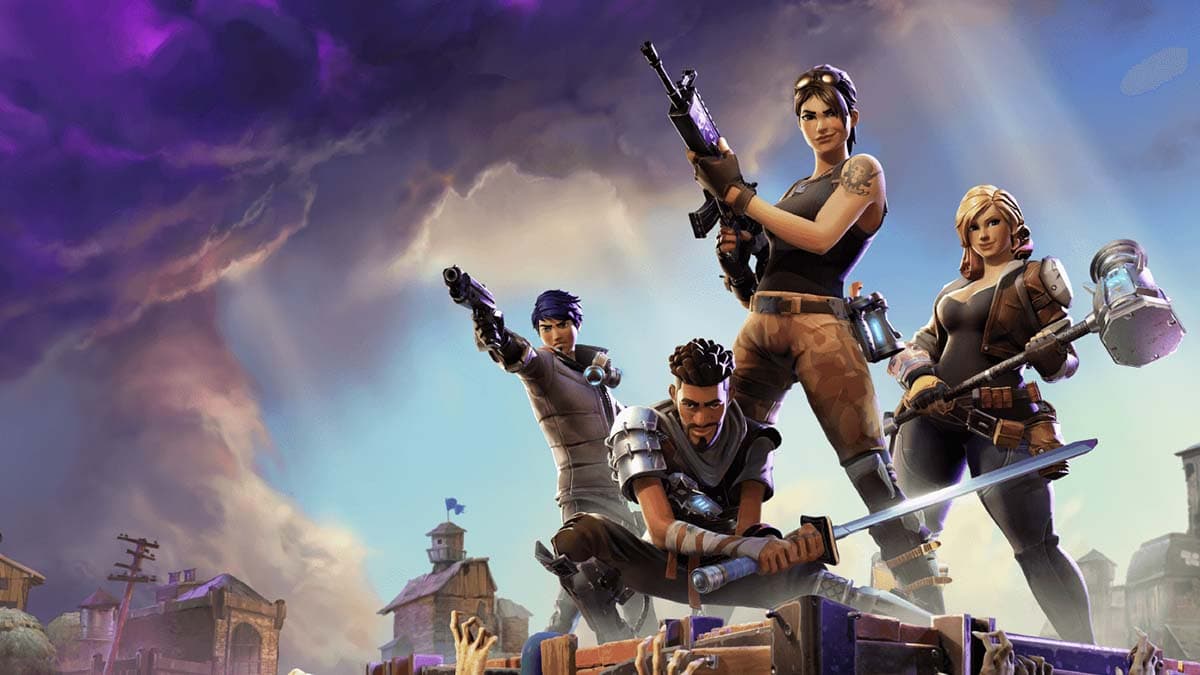
Fortnite’s early incarnation, *Save The World*, was a tower‑defense‑style shooter that sold half a million copies but struggled to capture the emerging battle‑royale craze. When PUBG demonstrated the lucrative potential of large‑scale, last‑person‑standing gameplay, Epic pivoted dramatically, stripping the paid model and releasing a free Battle Royale that leveraged the same building mechanics. This decisive shift not only salvaged the franchise but also set a new standard for rapid, market‑driven iteration in game development, illustrating how a well‑timed overhaul can eclipse an original product’s limitations.
A similar narrative unfolds with Ubisoft’s *Rainbow Six Siege*. Its launch was marred by bugs and a lackluster player base, yet the studio chose to invest in continuous updates, refined matchmaking, and competitive esports support. Over several years, those incremental improvements cultivated a robust community and turned Siege into a staple of the tactical shooter market. Meanwhile, *Quake Champions* survives on a shoestring team that delivers regular content to a modest but dedicated fanbase, proving that even niche shooters can thrive when developers prioritize long‑term engagement over immediate blockbuster expectations.
The broader lesson for publishers is clear: restraint and a willingness to evolve a product can preserve jobs, sustain revenue streams, and foster brand loyalty. Abandoning a title after a shaky debut may seem fiscally prudent, yet the long‑term value of a live‑service model often outweighs short‑term losses. Companies that balance aggressive innovation with patient post‑launch support are better positioned to navigate volatile market trends and extract lasting value from their intellectual properties.
Concord and Highguard show that even Fortnite would struggle with its 1.0 version today
0
Comments
Want to join the conversation?
Loading comments...