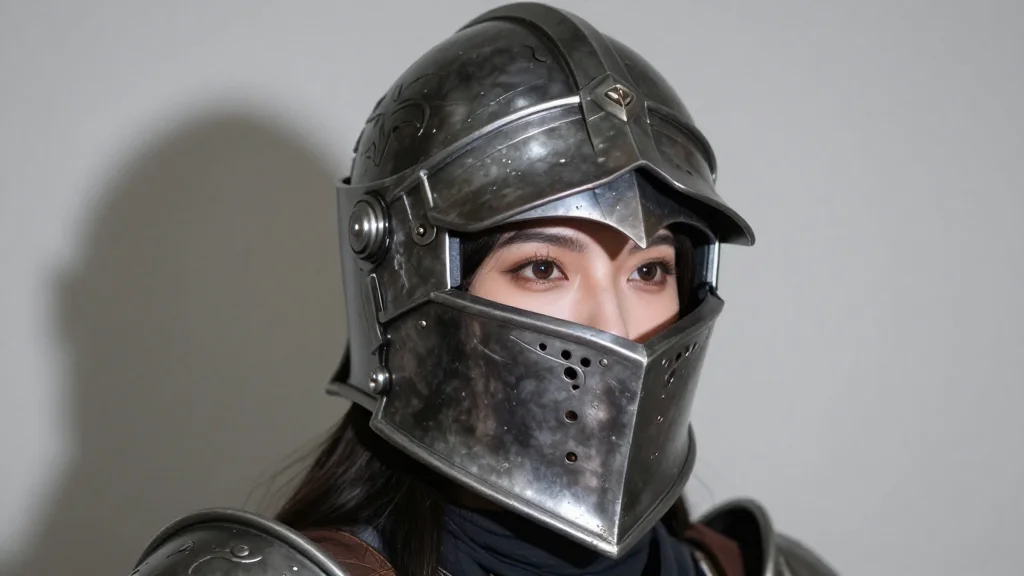
Cosplay Consent Debate Ignites After DreamHack UK and MegaCon Converge in Birmingham

Companies Mentioned
Why It Matters
The cosplay consent debate highlights a friction point between the gaming community’s love of shared experiences and the growing expectation of personal privacy. As conventions become key revenue drivers for gaming and pop‑culture brands, how they address consent will influence attendee satisfaction, influencer partnerships, and legal risk. A clear, enforceable etiquette could become a competitive differentiator for event organizers, while failure to act may erode trust and diminish the cultural vibrancy that conventions foster. Beyond conventions, the issue reflects a broader societal shift toward consent in digital spaces. The way fans, creators, and brands navigate recording rights at live events will likely inform policies on livestreaming, user‑generated content, and even in‑game social interactions, setting precedents that ripple across the entire gaming ecosystem.
Key Takeaways
- •DreamHack UK debut, MegaCon, and Arnold Sports Festival shared a Birmingham venue this weekend
- •Cosplayers reported non‑consensual filming and harassment, sparking a community backlash
- •"Cosplay is not consent" became the rallying phrase among attendees
- •Influencer Taqee Mcdaniel publicly condemned the behavior in an Instagram video
- •Organizers are considering new signage and consent badges for future events
Pulse Analysis
The Birmingham convergence exposed a cultural fault line that has long simmered beneath the surface of fan conventions. Historically, conventions have operated on an informal social contract: attendees accept a degree of public exposure in exchange for community engagement. However, the ubiquity of smartphones has tipped that balance, turning casual admiration into invasive documentation. The current backlash is less about legal rights—since public recording is generally permissible—and more about evolving social expectations that prioritize explicit permission.
From a market perspective, conventions are increasingly monetized through sponsorships, livestreams, and influencer content. Brands that fail to respect consent risk alienating both creators and the core fan base, potentially reducing ticket sales and sponsorship appeal. Conversely, events that proactively embed consent guidelines can position themselves as safe, inclusive spaces, attracting a broader demographic and higher‑spending attendees. This could translate into measurable revenue gains, as inclusive policies often correlate with higher attendee satisfaction scores and repeat visitation.
Looking ahead, the industry may see the emergence of standardized consent frameworks, perhaps driven by a coalition of major convention organizers. Such standards could include mandatory consent badges, real‑time reporting tools for violations, and clear penalties for repeat offenders. If adopted widely, these measures would not only protect cosplayers but also provide a clear operating environment for influencers, reducing the risk of legal disputes and brand damage. The outcome of this debate will likely shape the next generation of live‑event experiences across gaming, esports, and broader pop‑culture gatherings.
Cosplay Consent Debate Ignites After DreamHack UK and MegaCon Converge in Birmingham
Comments
Want to join the conversation?
Loading comments...