Why It Matters
The game showcases how rapid prototyping and lightweight web technologies can produce compelling horror experiences, expanding indie reach without traditional publishing costs. It signals growing market demand for instant, browser‑playable titles that lower entry barriers for both players and developers.
Key Takeaways
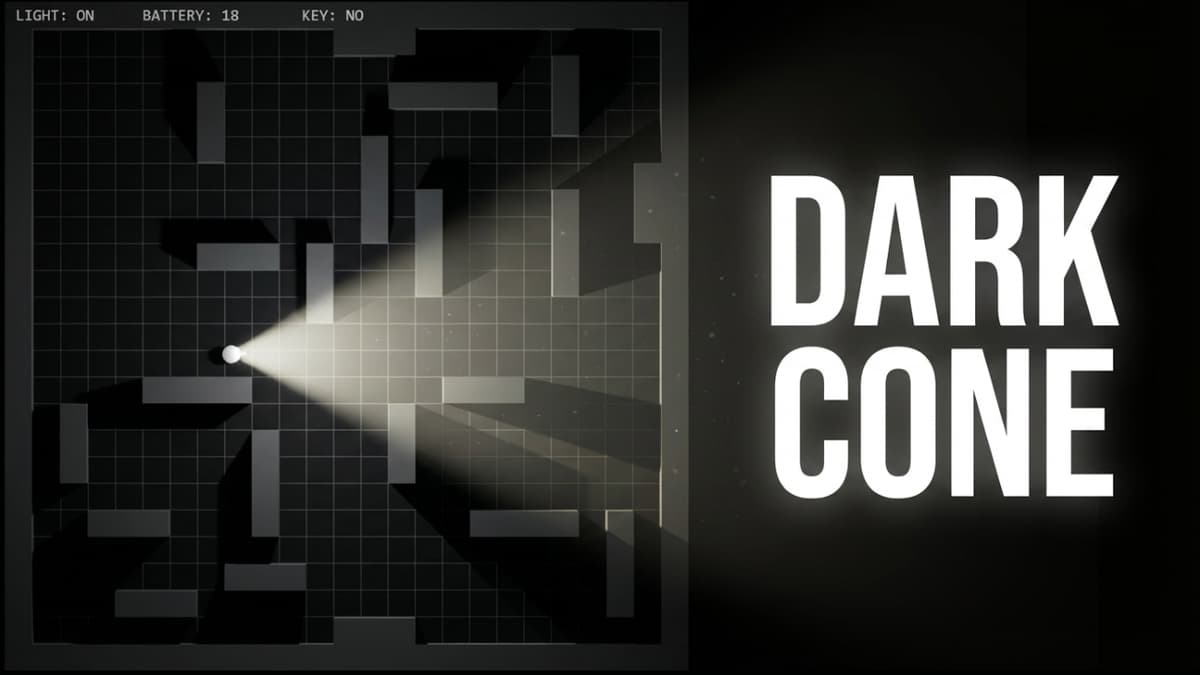
- •Flashlight freezes enemy, creating high‑tension gameplay loop
- •Battery recharges only in darkness, forcing strategic light management
- •Built with Phaser, runs instantly in browsers without downloads
- •Developed for a game jam, showcases rapid prototyping potential
- •No generative AI used, highlighting pure developer craftsmanship
Pulse Analysis
Technically, Dark Cone is built entirely with the open‑source Phaser framework, allowing it to run natively in any modern browser. This eliminates the need for downloads, reduces friction, and expands the potential user base to anyone with internet access. The game’s reliance on sound‑driven tension rather than high‑resolution graphics showcases how lightweight assets can still deliver immersive experiences, a valuable lesson for studios operating on limited budgets. Moreover, the absence of generative‑AI tools underscores a commitment to handcrafted code, which can enhance performance and maintainability. The rapid iteration also provides valuable data for future design decisions.
From a market perspective, browser‑based horror titles like Dark Cone tap into a growing segment of casual gamers who prefer instant playability over lengthy installations. The tension loop of light versus darkness aligns with proven psychological triggers, increasing replay value and encouraging time‑based leaderboards. As web technologies continue to mature, developers can expect richer interactivity without sacrificing accessibility. Such efficiency can shorten time‑to‑market, a critical advantage in competitive indie ecosystems. Investors are watching these low‑cost experiments as potential pipelines for scalable IP.
Dark Cone’s success may inspire more studios to experiment with rapid‑prototype pipelines, leveraging frameworks such as Phaser to test mechanics before committing to larger, multi‑platform releases. This approach reduces development risk while preserving creative flexibility, allowing teams to iterate quickly based on player feedback. As the indie horror niche expands, titles that blend simple mechanics with atmospheric tension are poised to capture attention on platforms like itch.io, where discoverability hinges on novelty and shareability. The game’s free, download‑free model exemplifies how accessibility can drive community growth and long‑term brand equity.
Dark Cone: Maze Horror Game Built with Phaser
Comments
Want to join the conversation?
Loading comments...