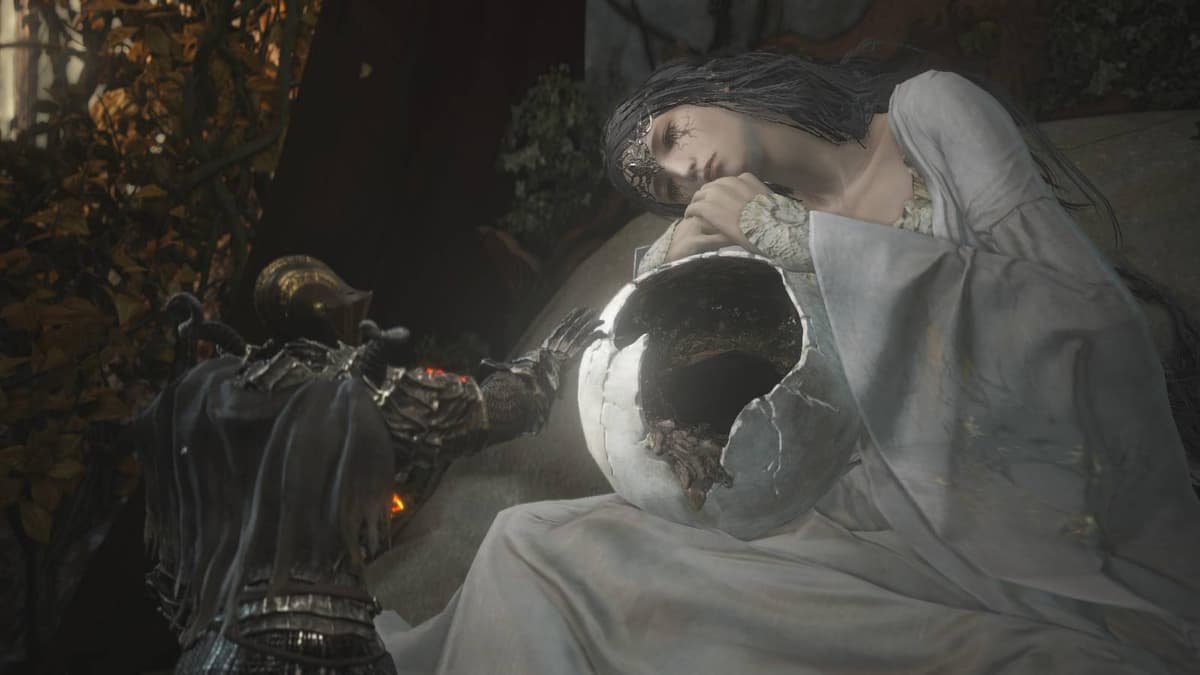
Dark Souls 3 Remains a Work of Art that Refuses to Fade, a Decade Later
Companies Mentioned

FromSoftware
Why It Matters
Dark Souls 3 demonstrates how tightly crafted gameplay, atmosphere, and community features can create a timeless brand, shaping industry standards for action‑RPG design and sustaining long‑term revenue through continued player engagement.
Key Takeaways
- •Dark Souls 3’s combat blends deliberate weight with newfound speed.
- •Its atmospheric soundtrack syncs with boss fight choreography.
- •Multiplayer PvP at Pontiff Sulyvahn remains series’ most celebrated.
- •Cinematic boss encounters set new narrative standards for FromSoftware.
- •Ten‑year legacy fuels design of newer titles like Elden Ring.
Pulse Analysis
When Dark Souls 3 arrived in 2016, it entered a market hungry for challenging, story‑driven experiences. FromSoftware leveraged the momentum of its earlier titles, delivering a game that sold over 10 million copies worldwide and cemented the Souls brand as a cultural touchstone. The title arrived amid a resurgence of “hardcore” gaming, positioning itself against both indie roguelikes and blockbuster open‑world adventures, and its commercial success proved that depth could triumph over sheer scale.
Beyond sales, Dark Souls 3’s artistic direction set a new benchmark for interactive storytelling. The game’s apocalyptic aesthetic—crumbling spires, ash‑laden landscapes, and muted color palettes—creates a palpable sense of decay that resonates with players seeking immersive worlds. Its combat system marries the weighty, methodical strikes of earlier Souls games with a heightened tempo, demanding precision and reflexes. Complemented by a haunting orchestral score that mirrors each boss’s narrative arc, the experience feels more like a tragic performance than a simple test of skill. The multiplayer component, highlighted by the Pontiff Sulyvahn bonfire arena, offers a rare blend of competitive tension and communal spectacle, reinforcing the title’s reputation for unforgettable PvP moments.
A decade later, Dark Souls 3’s influence permeates modern game design. Developers cite its level architecture, risk‑reward combat loops, and integrated storytelling as templates for titles ranging from Elden Ring to indie projects. The community continues to produce guides, mods, and speedrun events, extending the game’s lifespan and generating ongoing revenue through DLC and merchandise. As the industry grapples with live‑service models, Dark Souls 3 stands as proof that a well‑crafted, finite experience can sustain relevance, inspire successors, and keep the flame of challenging gameplay alive.
Dark Souls 3 remains a work of art that refuses to fade, a decade later
Comments
Want to join the conversation?
Loading comments...