Why It Matters
By stripping resources and bases, Dawn of War 2 reshaped real‑time strategy design and set a precedent for hybrid action‑RPG RTS titles, influencing both the Warhammer franchise and broader genre expectations.
Key Takeaways
- •Dawn of War 2 replaces base‑building with squad‑centric tactical combat
- •Four selectable squads per mission earn RPG‑style experience and loot
- •Multiplayer adds resources, tech trees, and three‑v‑three skirmishes
- •Limited mission variety and late customization curb long‑term replayability
Pulse Analysis
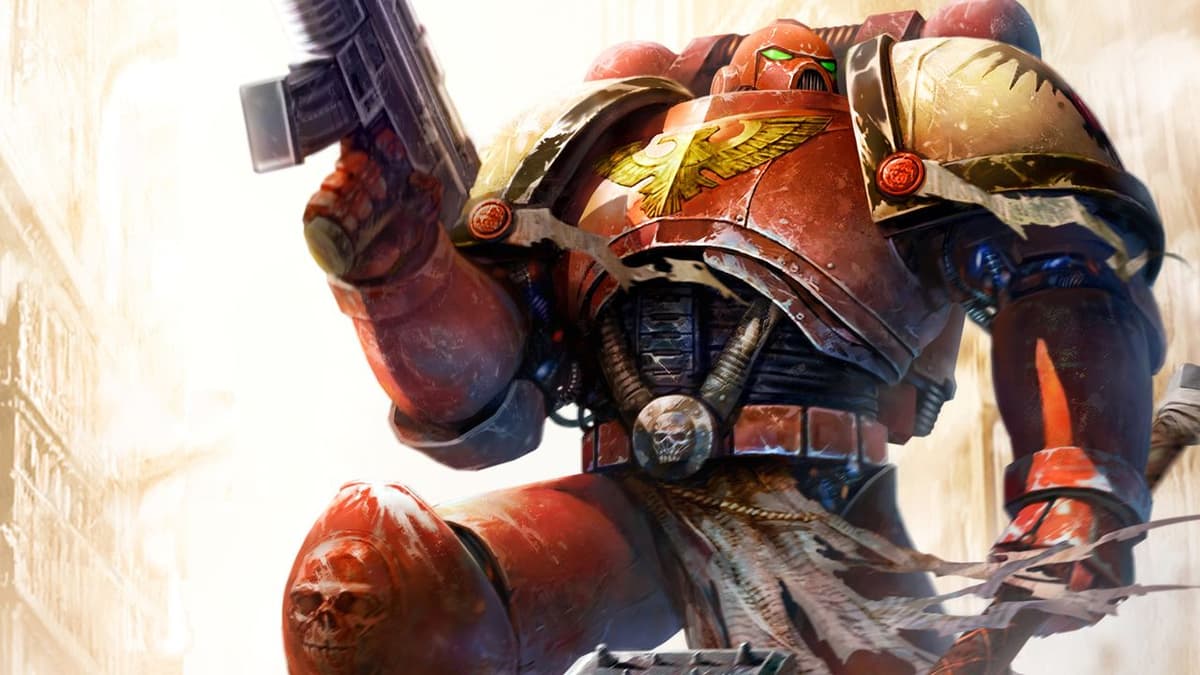
The real‑time strategy genre has long been defined by resource gathering and base construction, a formula cemented by classics like Dune 2 and Warcraft. Dawn of War 2 broke that mold by eliminating resource nodes and bases, forcing players to focus on micro‑level squad control and RPG‑style progression. Each squad levels up, unlocks abilities, and equips loot dropped by bosses, turning every 15‑minute mission into a tactical puzzle rather than an economic race. This design shift appealed to players seeking faster, more action‑oriented experiences while preserving strategic depth.
At launch, the game’s modest price of £35 (about $45) positioned it as an accessible entry point for both Warhammer fans and RTS newcomers. Critics highlighted its tight micromanagement, diverse commander abilities, and the novelty of playing on the Steam Deck, expanding its reach to portable gamers. Multiplayer, though limited to a handful of maps, introduced resources, tech trees, and larger armies, offering a chaotic yet engaging contrast to the single‑player’s focused skirmishes. The title’s hybrid nature sparked discussions about the future of RTS design, encouraging other studios to experiment with resource‑light or hero‑centric models.
In retrospect, Dawn of War 2’s legacy lies in its daring departure from genre conventions. While mission variety and late‑stage customization were points of criticism, the game demonstrated that RTS titles could thrive without traditional base‑building, influencing later releases such as Company of Heroes 2 and the upcoming Dawn of War 4. For modern developers, the lesson is clear: blending tactical micromanagement with RPG progression can refresh a mature genre, provided variety and depth are maintained throughout the experience.
Dawn of War 2 review (2009)
Comments
Want to join the conversation?
Loading comments...