Days After Being Vindicated for Reusing an Atlas Boss in Ark Survival Ascended, Its Biggest Modder Is Teasing Another
•March 6, 2026
0
Why It Matters
The episode highlights how transparent modder communication can turn controversy into community support, reinforcing the role of fan‑created content in extending a game’s lifespan. It also underscores the growing acceptance of asset reuse within legal gray zones, influencing future mod‑publisher collaborations.
Key Takeaways
- •Nekatus reused Atlas boss in Astraeos DLC update
- •Community backlash turned into support after modder’s explanation
- •Modder hints at adding another creature to Astraeos pack
- •No details revealed; speculation fuels player anticipation
- •Asset reuse highlights legal and creative flexibility in modding
Pulse Analysis
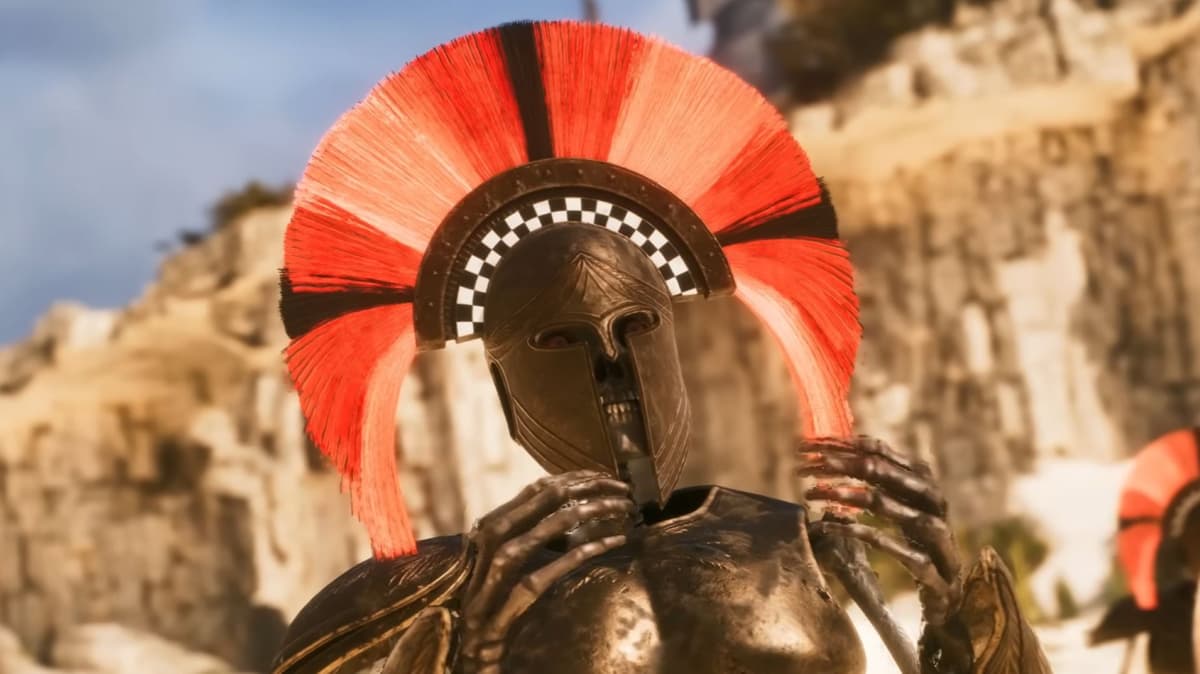
Ark Survival Ascended has become a fertile ground for community‑driven content, and few creators have achieved the visibility of Nekatus. By transplanting a long‑defunct Atlas boss into the official Astraeos map pack, the modder delivered one of the largest single‑asset integrations the game has seen in months. While the practice of borrowing assets from abandoned titles skirts a gray legal area, it also demonstrates the technical agility that modern modders possess, allowing them to repurpose high‑quality models without starting from scratch. This approach can accelerate development cycles and enrich the player experience when handled responsibly.
The initial reaction from Ark’s vocal fanbase was sharply critical, accusing Nekatus of overstepping creative boundaries. However, the modder’s candid admission—emphasizing a lack of design expertise and framing the reuse as a pragmatic solution—softened the criticism. Community members rallied behind the transparency, highlighting a broader tolerance for asset recycling when it serves the game’s evolution. Such dynamics underscore the importance of open communication in mod ecosystems; when creators explain their methods, they can convert potential backlash into advocacy, reinforcing player loyalty and sustaining a vibrant mod marketplace.
Now, Nekatus teases an additional creature for the Astraeos pack, a move that could further extend Ark’s content pipeline ahead of the upcoming Genesis Part 1 update. The mystery surrounding the new monster fuels speculation across forums and social channels, keeping the community engaged during development lulls. This pattern reflects a wider industry trend where modders act as quasi‑official content providers, blurring the line between fan‑made and publisher‑backed updates. As studios increasingly recognize the value of such collaborations, we can expect more structured partnerships that leverage modders’ creativity while safeguarding intellectual property.
Days after being vindicated for reusing an Atlas boss in Ark Survival Ascended, its biggest modder is teasing another
0
Comments
Want to join the conversation?
Loading comments...