Dead by Daylight's Creative Director Would "Love To" Do More Chapter Remakes After All-Kill Comeback
•March 2, 2026
0
Why It Matters
Reviving a classic chapter extends the game’s lifespan and taps into the booming K‑pop market, driving player engagement and revenue. It also hints at a broader shift toward nostalgia‑driven updates in live‑service games.
Key Takeaways
- •All‑Kill: Comeback revives 19th Chapter with new map
- •Trickster killer receives gameplay and visual overhaul
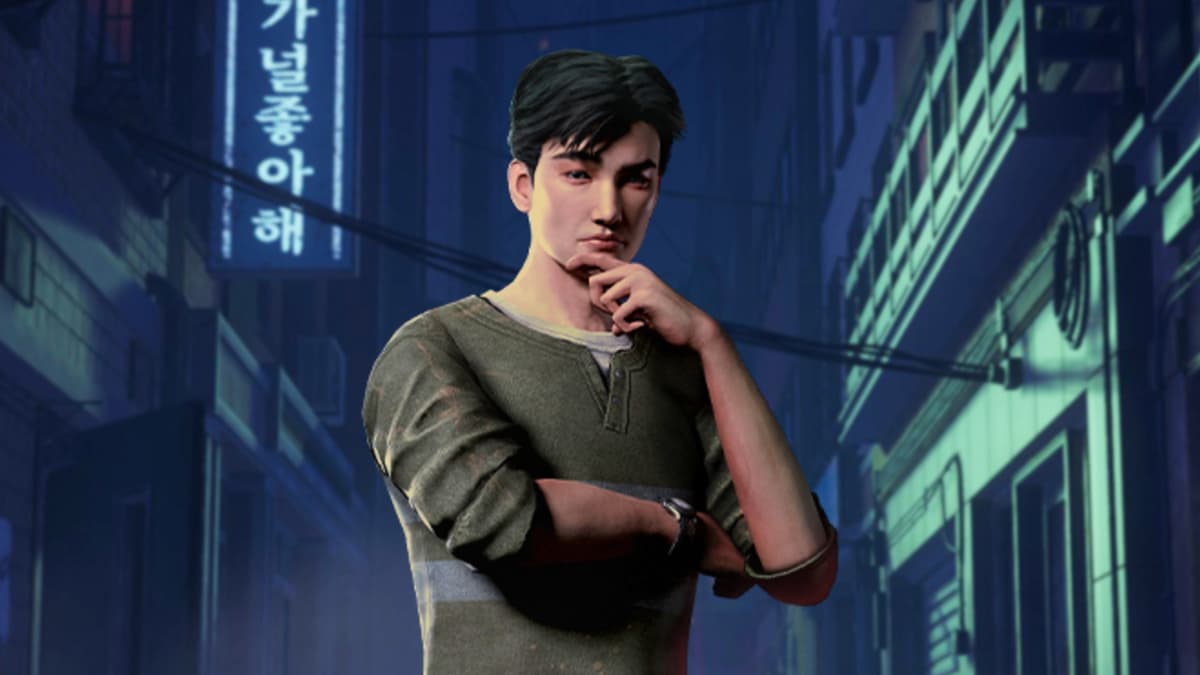
- •New Survivor Kwon Tae‑young voiced by K‑Pop star
- •Original Survivor remains silent due to voice line limits
- •Creative director hints at future Chapter remakes
Pulse Analysis
Dead by Daylight’s All‑Kill: Comeback illustrates how live‑service games can leverage nostalgia to refresh their content pipelines. By rebuilding a fan‑favorite chapter, Behaviour Interactive not only satisfies long‑time players but also introduces fresh mechanics through the Trickster’s redesign and a brand‑new urban map. This approach reduces development risk compared to entirely new chapters, as the core narrative and assets already exist, allowing the studio to allocate resources toward polishing and expanding existing experiences.
The integration of K‑Pop elements, highlighted by Kevin Woo’s voice work for the new survivor, reflects a strategic alignment with global entertainment trends. Korean pop culture’s surge in worldwide popularity offers a lucrative cross‑promotion opportunity, attracting both horror gamers and K‑Pop fans. While the timing appears serendipitous, the collaboration underscores how games can capitalize on cultural moments without compromising their core identity, enhancing brand relevance across diverse audiences.
Looking ahead, the creative director’s openness to revisiting other map‑less chapters suggests a possible shift toward periodic retro‑revamps. Such updates can sustain player interest between major releases, fostering a continuous revenue stream through seasonal content and microtransactions. If Behaviour adopts this model, it could set a precedent for other multiplayer titles, demonstrating that thoughtfully executed remakes can drive engagement while honoring a game’s legacy.
Dead by Daylight's creative director would "love to" do more Chapter remakes after All-Kill Comeback
0
Comments
Want to join the conversation?
Loading comments...