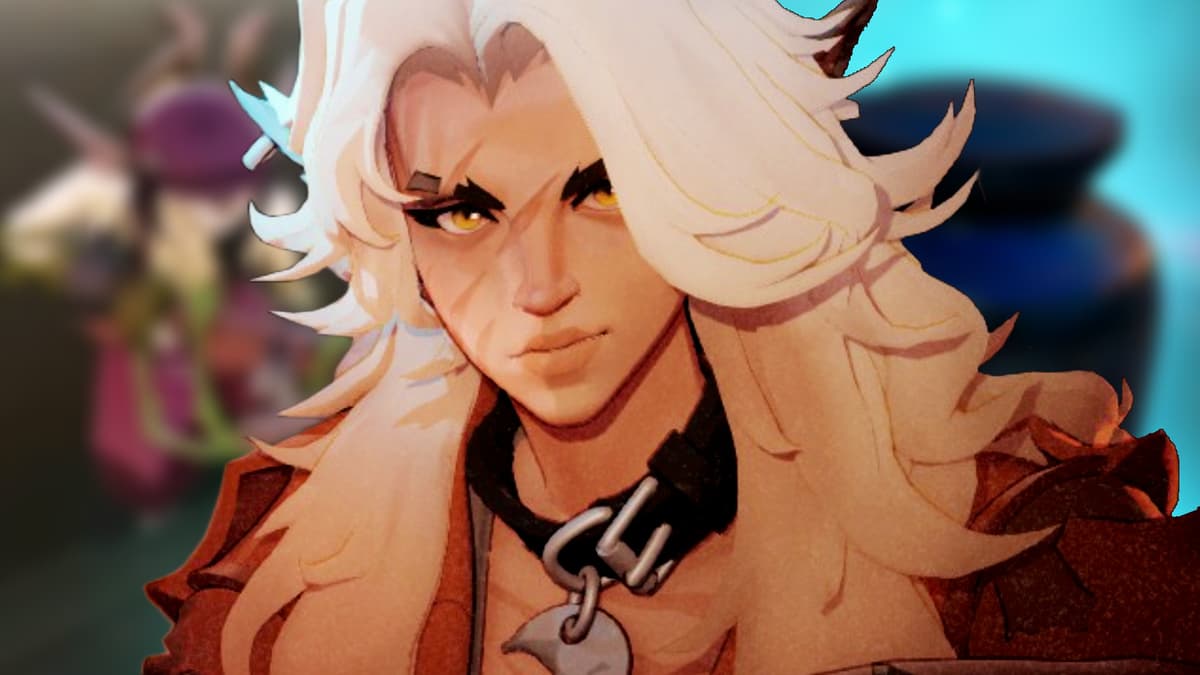
Deadlock's Urn Chaos Continues as Valve Steps in Again Following Tournament Drama
Companies Mentioned

Valve
Why It Matters
The changes restore competitive balance by preventing a loophole that let teams artificially boost survivability, preserving the integrity of Deadlock esports events. They also signal Valve’s willingness to iterate quickly on experimental mechanics.
Key Takeaways
- •Melee Creeps exploited Urn aura with Golden Egg strategy
- •Valve reduced Urn spawn frequency and added carrier‑only resistance
- •Deposit timer now pauses inside Frozen Shelter ultimate
- •New patch adds parry‑stun effect without cooldown reset
- •Tournament organizers banned the exploit after match forfeiture
Pulse Analysis
The Deadlock "Soul Urn" mechanic has become a flashpoint for balance debates ever since Valve introduced it as a comeback tool. By granting a 35% bullet and spirit resistance aura, the Urn encouraged high‑risk plays that could swing team fights. However, the recent NA Night Shift finals exposed a loophole: teams could purchase Golden Eggs, fall behind intentionally, and then hoard the Urn for its resist bonuses, effectively creating an invulnerable unit without ever depositing the item. The exploit not only broke the intended risk‑reward loop but also forced a match forfeiture, drawing sharp criticism from players and organizers.
Valve’s response in the latest patch tightens the Urn’s functionality on three fronts. First, the resistance aura now applies only while the carrier is moving, becoming an area effect solely during deposit, which curtails the “cheese” strategy of static buff stacking. Second, Urn spawns are delayed to the 12‑minute mark and then occur every six minutes, reducing frequency and limiting opportunistic grabs. Finally, new timer mechanics pause the penalty when the carrier is inside the Frozen Shelter ultimate and freeze the countdown if enemies linger nearby, adding tactical depth while discouraging abuse. A subtle parry‑stun tweak—stunning foes without resetting cooldown—further refines combat without altering core balance.
Beyond the immediate gameplay fixes, the incident underscores the challenges of live‑service games that experiment with high‑stakes mechanics in competitive settings. Tournament organizers quickly imposed a temporary ban on the exploit, highlighting the need for clear, enforceable rules when experimental features intersect with esports. Player sentiment, exemplified by AVG’s emotional walk‑out, reveals how quickly balance issues can erode trust in a title’s competitive viability. Valve’s rapid patch cycle demonstrates a commitment to iterative design, but sustained dialogue with the esports community will be essential to ensure future experiments enhance rather than destabilize the meta.
Deadlock's Urn chaos continues as Valve steps in again following tournament drama
Comments
Want to join the conversation?
Loading comments...