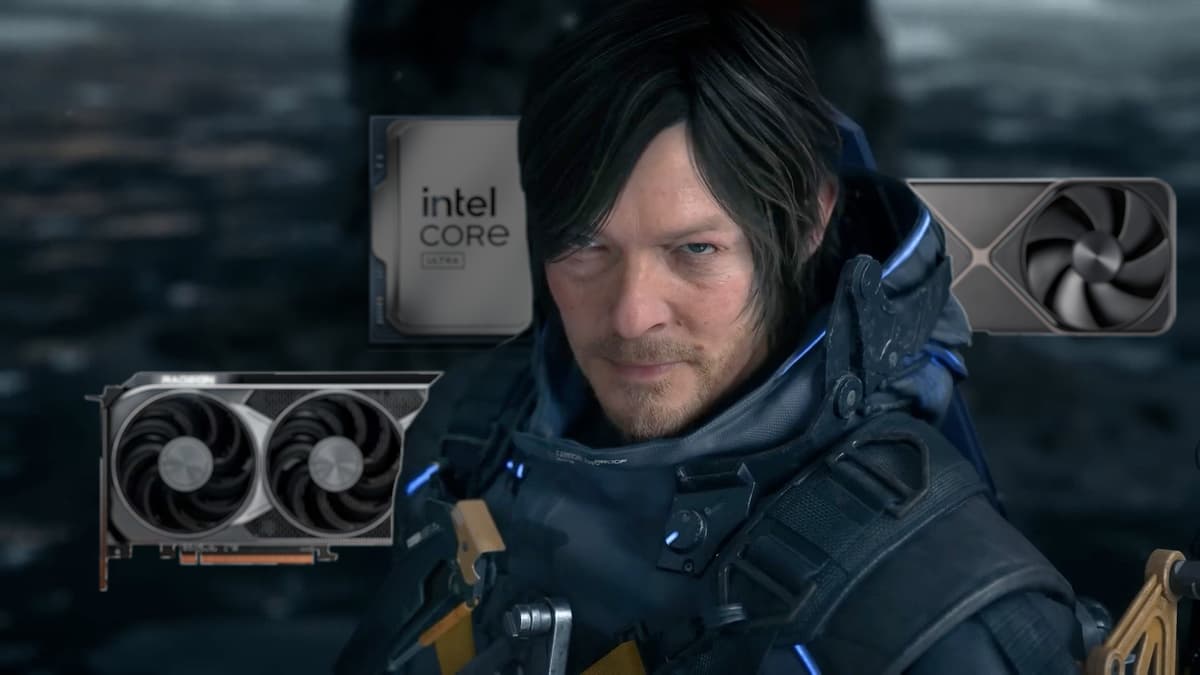
Death Stranding 2 System Requirements Are Here, and You'll Need an RTX 4080 to Play at 4K
•February 24, 2026
0
Why It Matters
The specs highlight the growing divide between mainstream and high‑end gaming hardware, pushing consumers toward premium GPUs for 4K experiences and influencing upgrade cycles across the PC market.
Key Takeaways
- •Minimum GPU: GTX 1060 or RX 5500 XT for 1080p.
- •4K 60fps requires RTX 4080 or RX 9070 XT.
- •All tiers need 16 GB RAM and 150 GB SSD.
- •1440p tier uses RTX 3070 or RX 6800.
- •Steam Deck likely compatible, but not officially confirmed.
Pulse Analysis
The release of Death Stranding 2’s system requirements underscores a strategic shift toward tiered performance guidance, giving gamers clear expectations for each resolution and frame‑rate target. By providing a minimum, medium, high, and very‑high tier, the publisher acknowledges the diverse hardware landscape while still demanding a solid baseline—16 GB of RAM and a 150 GB SSD. This approach helps players assess whether their current rigs can handle the game at their preferred settings without resorting to vague "high‑end" labels.
At the top end, the requirement of an RTX 4080 or AMD’s RX 9070 XT for native 4K @ 60 fps signals that cutting‑edge GPUs remain essential for the most demanding visual fidelity. As 4K gaming becomes mainstream, GPU manufacturers face heightened pressure to supply high‑bandwidth, ray‑tracing capable cards, even as supply chain constraints keep prices elevated. This requirement may accelerate the adoption of DLSS‑like upscaling technologies, allowing slightly lower‑tier cards to approximate 4K performance, but the headline spec still sets a benchmark for premium hardware sales.
Beyond graphics, the 150 GB SSD demand reflects the industry’s trend toward massive game sizes, driven by high‑resolution textures and complex world data. While SSD prices have softened, the storage footprint may prompt users to upgrade or re‑allocate drive space, especially on laptops. The tentative Steam Deck compatibility suggests portable gaming continues to blur lines with PC titles, though official verification remains pending. Overall, Death Stranding 2’s requirements illustrate the balancing act developers perform: delivering next‑gen visual experiences while navigating the realities of hardware availability and consumer budgeting.
Death Stranding 2 system requirements are here, and you'll need an RTX 4080 to play at 4K
0
Comments
Want to join the conversation?
Loading comments...