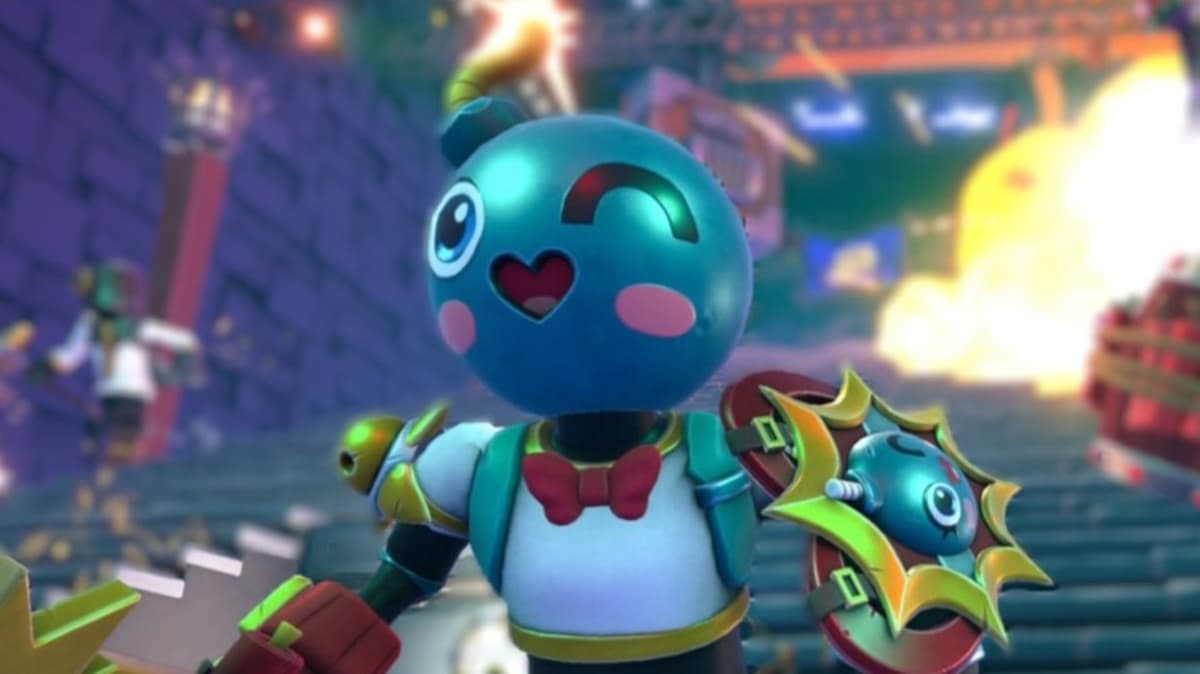
Despite Appearing on MrBeast, This Amazon-Funded Party Game Is Closing Down After only Six Months on Steam
•February 23, 2026
0
Why It Matters
The shutdown highlights that even substantial corporate backing and influencer marketing cannot guarantee success in a crowded multiplayer market, signaling risk for future publisher‑funded indie titles.
Key Takeaways
- •Launched Oct 2025, servers closing Apr 2026.
- •Average concurrent Steam players around three hundred.
- •Amazon Game Studios backed, yet sales remained minimal.
- •Full refunds offered to early buyers via platform provider.
- •MrBeast video promotion didn't generate sustained player base.
Pulse Analysis
King of Meat entered a crowded multiplayer party‑game market at a time when established titles like Fall Guys and Among Us dominate player attention. Backed by Amazon Game Studios and built by the indie studio Glowmade, the game promised a hybrid of Dark Souls‑style platforming and chaotic party competition. The October 2025 launch was accompanied by a high‑budget trailer and a MrBeast Gaming video, signaling strong corporate confidence in the product. The title’s core mechanic let players design and share custom obstacle courses, aiming to foster a creator‑driven ecosystem that could extend longevity.
Despite the star‑powered marketing push, King of Meat never attracted a critical mass of players. Steam analytics showed a peak of roughly three hundred concurrent users, far below the community size needed to sustain matchmaking and user‑generated levels. The game's reliance on server‑side infrastructure meant that without a viable player base, operating costs quickly outpaced revenue, prompting the decision to shut down servers by April 2026 and issue refunds. Additionally, the game's cross‑platform ambitions never materialized, limiting exposure to console audiences that might have compensated for the weak PC uptake.
The rapid closure underscores a broader lesson for publishers investing in niche multiplayer experiences: high‑visibility influencers cannot replace organic community growth. Amazon’s involvement illustrates that even deep pockets and brand clout cannot guarantee market fit, especially when launch timing collides with saturated genres. Future projects may prioritize early access testing, scalable server models, and realistic player‑acquisition forecasts to mitigate financial risk and avoid repeating King of Meat’s brief lifespan. Analysts also note that the refund policy, while consumer‑friendly, adds a short‑term cost that can further strain budgets if not offset by strong post‑launch monetization.
Despite appearing on MrBeast, this Amazon-funded party game is closing down after only six months on Steam
0
Comments
Want to join the conversation?
Loading comments...