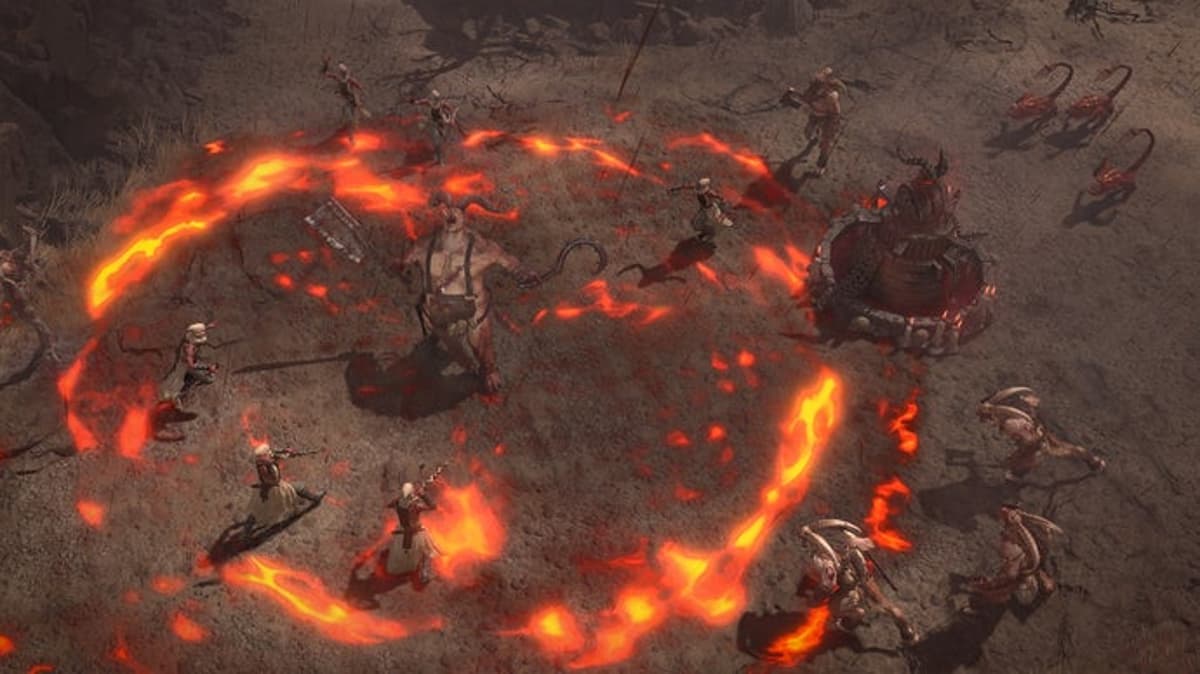
Diablo 4's Next Season Is Short, but It Lets You Become The Butcher, and It Has Doom: The Dark Ages Skins You Probably Can't Afford
•March 6, 2026
0
Why It Matters
The season extends player engagement between major expansions while introducing monetizable cosmetics, boosting retention and revenue potential. It also showcases Blizzard’s strategy of leveraging cross‑franchise collaborations to attract broader audiences.
Key Takeaways
- •Season runs March 11–April 28, bridging to Lord of Hatred
- •Players can transform into The Butcher for unique rewards
- •New killstreak tiers grant XP and reputation bonuses
- •Bloodied items scale with killstreaks, adding power spikes
- •Doom collaboration offers premium skins, priced high
Pulse Analysis
Blizzard’s Season of Slaughter serves as a strategic bridge, keeping Diablo 4’s player base active while the highly anticipated Lord of Hatred expansion is finalized. By compressing a mini‑season into a six‑week window, the company creates a sense of urgency that drives daily logins and encourages players to experiment with new mechanics before the next major content drop. This approach mirrors industry trends where developers use short‑term events to sustain momentum and reduce churn between larger releases.
The gameplay innovations this season are designed to deepen the core loop. Transforming into The Butcher not only offers a novel role‑playing moment but also ties directly into the newly introduced kill‑streak system, rewarding rapid combat efficiency with experience, reputation, and exclusive Bloodied items. These Bloodied items scale with a player’s current streak tier, delivering tangible power spikes that incentivize aggressive play. Additionally, Slaughterhouses provide a focused arena where the Butcher form is permanent for the run, further diversifying end‑game activities and encouraging repeat attempts to master the new systems.
From a business perspective, the season’s cross‑brand Doom: The Dark Ages collaboration adds a premium revenue stream. While a free Reliquary pass grants modest cosmetic rewards, the high‑priced Doom Slayer armor and other skins target collectors and hardcore fans willing to spend beyond the base game. Coupled with the limited‑time Paladin trial—designed to convert trialists into expansion purchasers—the season blends engagement tactics with monetization, reinforcing Blizzard’s model of layered content that fuels both player loyalty and incremental sales.
Diablo 4's next season is short, but it lets you become The Butcher, and it has Doom: The Dark Ages skins you probably can't afford
0
Comments
Want to join the conversation?
Loading comments...