Direct-to-Consumer in Games: Promise versus Reality
Companies Mentioned
Why It Matters
D2C reshapes revenue streams and data ownership for game publishers, influencing long‑term profitability and competitive positioning. Understanding its realistic limits helps studios allocate resources wisely amid regulatory scrutiny.
Key Takeaways
- •Epic's settlement caps Google fees at 9% or 20%, saving few points
- •Ownership of player data outweighs modest fee reductions for studios
- •Small studios need partners for payment, tax, compliance to go D2C
- •EU fine on Apple (~$540 M) highlights regulatory complexity for D2C
- •Realistic D2C goals: 10‑15% revenue for tiny studios, 15‑20% for midsize
Pulse Analysis
The fallout from Epic Games’ high‑profile lawsuits against Apple and Google has sparked a wave of direct‑to‑consumer experimentation in the gaming sector. By forcing the dominant app stores to reconsider commission structures, the industry now faces a more transparent but still uneven fee landscape. Google’s recent settlement caps fees at 9% for small developers and 20% for larger ones, a modest reduction compared with the historic 30% take. Meanwhile, Apple continues to grapple with a €500 million (approximately $540 million) EU antitrust fine, underscoring the regulatory turbulence that can delay or dilute D2C benefits. For publishers, the key question has shifted from “how low can the commission go?” to “what strategic advantage does owning the player relationship provide?”
Beyond commission percentages, the practical execution of D2C remains a resource‑intensive undertaking. Studios must manage payment gateways, tax compliance across jurisdictions, and ongoing customer service—functions traditionally handled by platform owners. This operational overhead can erode the marginal savings from lower fees, especially for indie developers with limited staff. As panelists noted, partnering with specialists that offer global reach and localized expertise can bridge this gap, allowing developers to focus on community building and content creation while outsourcing the logistical complexities of direct sales.
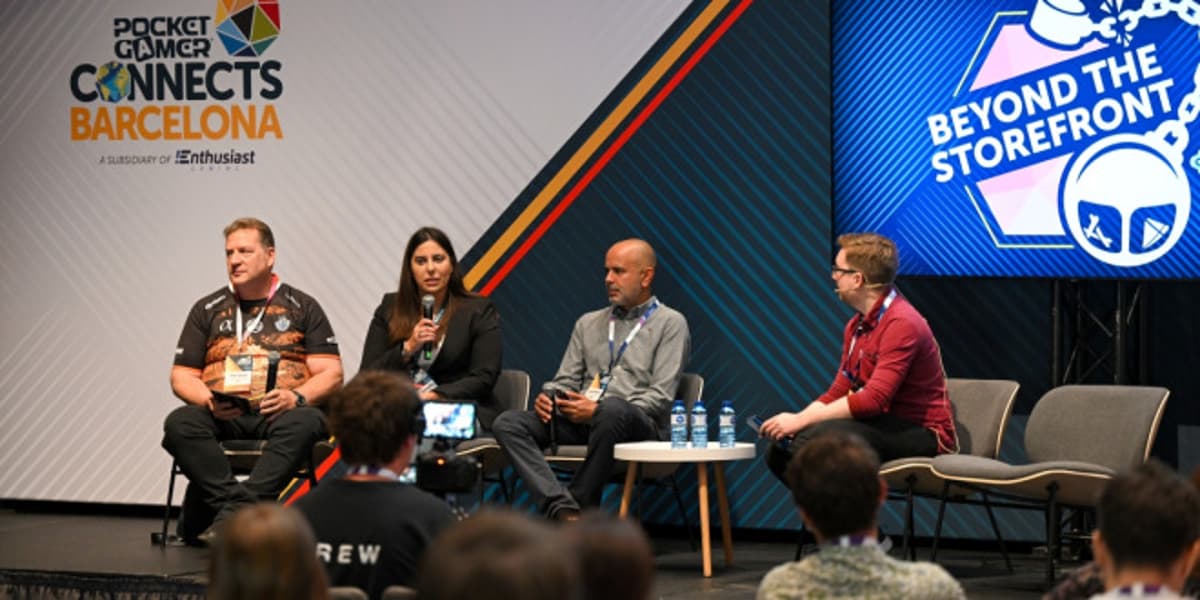
Data from the panel highlights that D2C is already delivering significant revenue for larger publishers: Playtika reports roughly $1.2 billion in annual D2C sales, and Stillfront attributes about 44% of its bookings to direct channels. However, realistic benchmarks for smaller studios hover between 10% and 20% of total revenue, with incremental growth achievable through early community engagement on platforms like Discord, Telegram, or WhatsApp. By prioritizing player ownership and incremental scaling, developers can turn D2C from a theoretical promise into a sustainable revenue pillar, even as regulatory and market forces continue to evolve.
Direct-to-consumer in games: Promise versus reality
Comments
Want to join the conversation?
Loading comments...