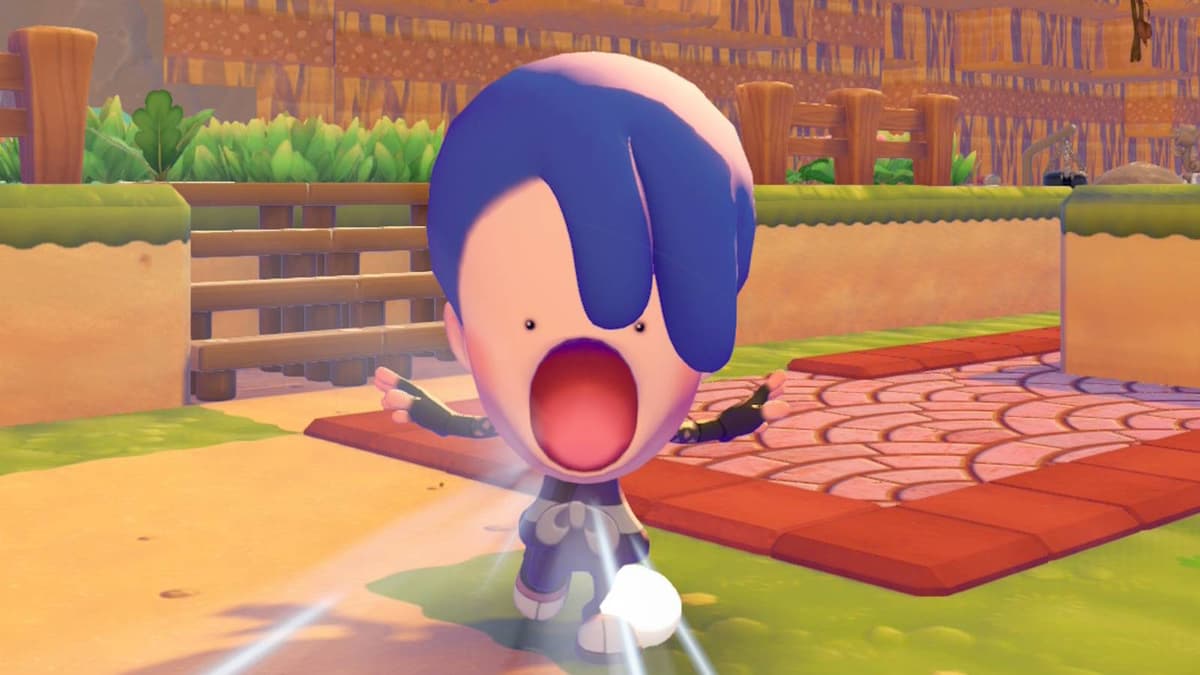
Ditto's Transformation in Pokémon Pokopia Raises Big Questions About Its Stomach
•March 8, 2026
0
Why It Matters
The stomach‑satchel system showcases a novel inventory paradigm that can boost player immersion and open new monetization pathways for developers. It also signals a shift toward deeper world‑building in long‑running franchises.
Key Takeaways
- •Pokopia treats Ditto's satchel as internal stomach.
- •No item restrictions; items stored via Stockpile move.
- •Stomach functions as pocket‑dimension inventory space.
- •Expanding satchel directly expands Ditto's internal capacity.
- •Highlights need for deeper Pokémon biology research.
Pulse Analysis
Pokémon Pokopia’s inventive take on Ditto’s inventory mechanics turns a simple satchel into a biologically integrated storage system. By allowing the creature to inhale items and deposit them in its stomach, the game creates a seamless, limitless pocket‑dimension that eliminates traditional inventory constraints. This design choice not only adds a whimsical layer to gameplay but also invites players to reconsider the relationship between a Pokémon’s physiology and its functional abilities, deepening immersion through imaginative world‑building.
For developers, the stomach‑satchel model offers a blueprint for next‑generation inventory solutions. Removing hard caps on item types and quantities can reduce UI clutter and keep players focused on core loops, while the visual metaphor of a living storage organ enhances narrative cohesion. Such mechanics also present fresh monetization angles, from cosmetic upgrades that alter the visual representation of the internal space to premium items that temporarily expand capacity. By embedding the inventory within a character’s biology, studios can craft more organic progression systems that feel earned rather than imposed.
Beyond immediate gameplay, the concept sparks broader conversations about Pokémon lore and scientific plausibility. If Ditto can house a pocket‑dimension, other species might possess unique internal mechanics, opening avenues for spin‑off titles, merchandise, and cross‑media storytelling. The article’s critique of stagnant Pokémon academia underscores a market appetite for deeper, lore‑rich content. Embracing these ideas could revitalize the franchise, attracting both veteran fans and new audiences eager for innovative, story‑driven experiences.
Ditto's transformation in Pokémon Pokopia raises big questions about its stomach
0
Comments
Want to join the conversation?
Loading comments...