Gaming News and Headlines
  • All Technology
  • AI
  • Autonomy
  • B2B Growth
  • Big Data
  • BioTech
  • ClimateTech
  • Consumer Tech
  • Crypto
  • Cybersecurity
  • DevOps
  • Digital Marketing
  • Ecommerce
  • EdTech
  • Enterprise
  • FinTech
  • GovTech
  • Hardware
  • HealthTech
  • HRTech
  • LegalTech
  • Nanotech
  • PropTech
  • Quantum
  • Robotics
  • SaaS
  • SpaceTech
AllNewsDealsSocialBlogsVideosPodcastsDigests

Gaming Pulse

EMAIL DIGESTS

Daily

Every morning

Weekly

Sunday recap

NewsDealsSocialBlogsVideosPodcasts
GamingNewsDon't Like How Often Map Conditions Rotate in Arc Raiders? Sorry, but the Devs Say "that Most Likely Won't Change"
Don't Like How Often Map Conditions Rotate in Arc Raiders? Sorry, but the Devs Say "that Most Likely Won't Change"
Gaming

Don't Like How Often Map Conditions Rotate in Arc Raiders? Sorry, but the Devs Say "that Most Likely Won't Change"

•February 7, 2026
0
Rock Paper Shotgun
Rock Paper Shotgun•Feb 7, 2026

Why It Matters

The rotation drives player engagement and monetization but can alienate users with limited play windows, highlighting a trade‑off inherent to live‑service shooters.

Key Takeaways

  • •Rotating maps create tension and varied gameplay.
  • •Developers aim to drive traffic across maps.
  • •Limited availability may frustrate time‑constrained players.
  • •Future conditions could return with altered mechanics.
  • •Live‑service model relies on constant content rotation.

Pulse Analysis

Arc Raiders’ rotating map conditions exemplify the live‑service model’s emphasis on dynamic content. By cycling environments and events, Embark Studios keeps the gameplay loop fresh, prompting players to adapt strategies and revisit the title regularly. This design not only sustains player interest but also generates recurring revenue opportunities through seasonal passes and microtransactions tied to specific conditions.

However, the very mechanism that fuels excitement can also create friction. Players with fixed schedules may miss limited‑time events, leading to a sense of FOMO and potential churn. Industry analysts note that balancing scarcity with accessibility is crucial; too much rotation can alienate a segment of the audience, while too little may cause stagnation. Embark’s stance—maintaining the rotation while occasionally extending popular conditions—signals a calculated gamble to preserve the game’s core tension without fully capitulating to player demands.

Looking ahead, the rotating system could evolve into a more modular framework, allowing developers to introduce temporary modifiers without fully removing existing content. Such flexibility would let the studio experiment with novel gameplay twists while offering fallback options for players who miss initial windows. For the broader market, Arc Raiders serves as a case study in how live‑service shooters can leverage content cycles to drive engagement, provided they manage the trade‑off between novelty and player accessibility.

Don't like how often map conditions rotate in Arc Raiders? Sorry, but the devs say "that most likely won't change"

Image credit: Rock Paper Shotgun/Embark Studios

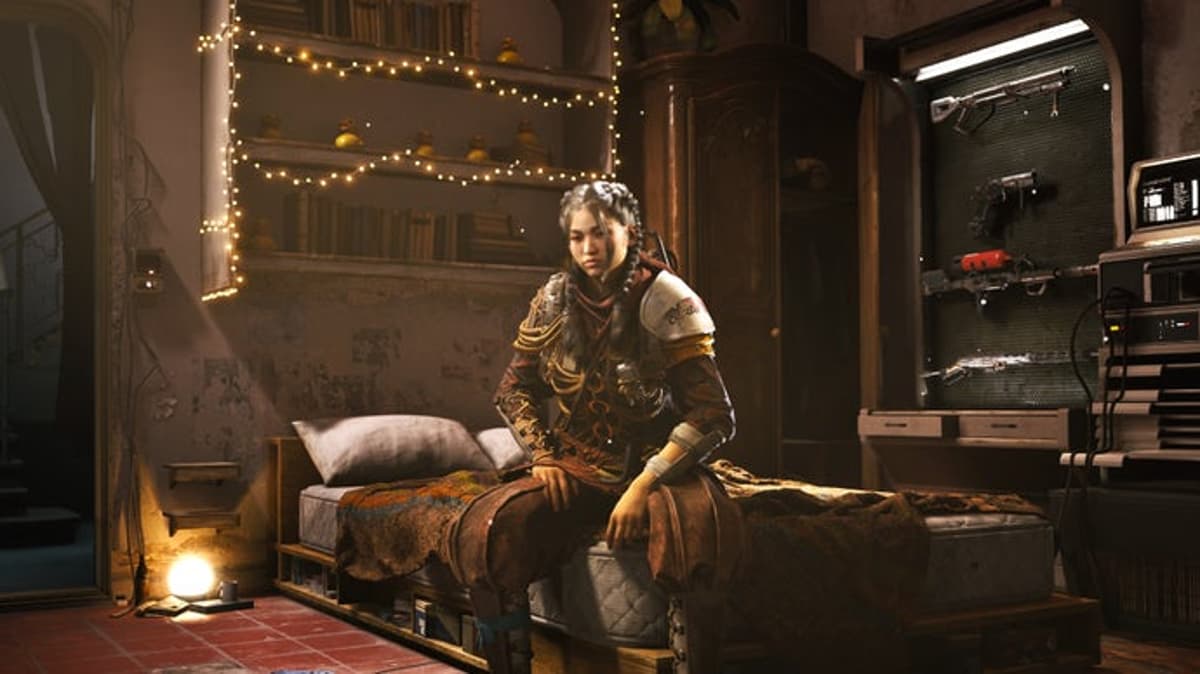
For all of their faults (the list may be endless), the interesting thing about live service games, when done well anyway, is the way they can change from day to day. There's an actual living quality to them that, even if I'll always prefer them, a single‑player game can't capture as well. One such game that can change quite drastically is Arc Raiders, with its varying map conditions and events, swapping in and out at the whims of its developers. This rotation isn't something universally loved, but CEO Patrick Söderlund has said that they're here to stay.

Speaking to IGN in a broader interview about the shooter, when asked about Embark's response to those that don't love the rotating schedule of conditions and events, Söderlund explained that they are “on a rotating schedule for multiple reasons. Obviously, we believe that it's a part of how the game should be played, that not everything is available at all times. We believe that creates tension. It's an element of fun. It's a way for us to move people from map to map, which we believe to be important.”

Söderlund continued to explain how the studio doesn't want all map events to be constantly available, and “that most likely won't change. Sometimes we'll let them stay for longer. Sometimes we run two or three in parallel, but they may be different, but we believe that to be a part of how the game should be experienced.” The CEO did also share that while they plan to continue adding more map conditions, some may end up being removed temporarily, with the potential for them to return “with a different edge.”

This obviously won't be accommodating to everyone, as some will have schedules that constrict the time of day they can play. And there lies the double‑edged sword of these ever‑evolving live‑service games. Mayhaps this reality where FOMO‑driven gameplay does not make for entirely great experiences.

Read Original Article
0

Comments

Want to join the conversation?

Loading comments...