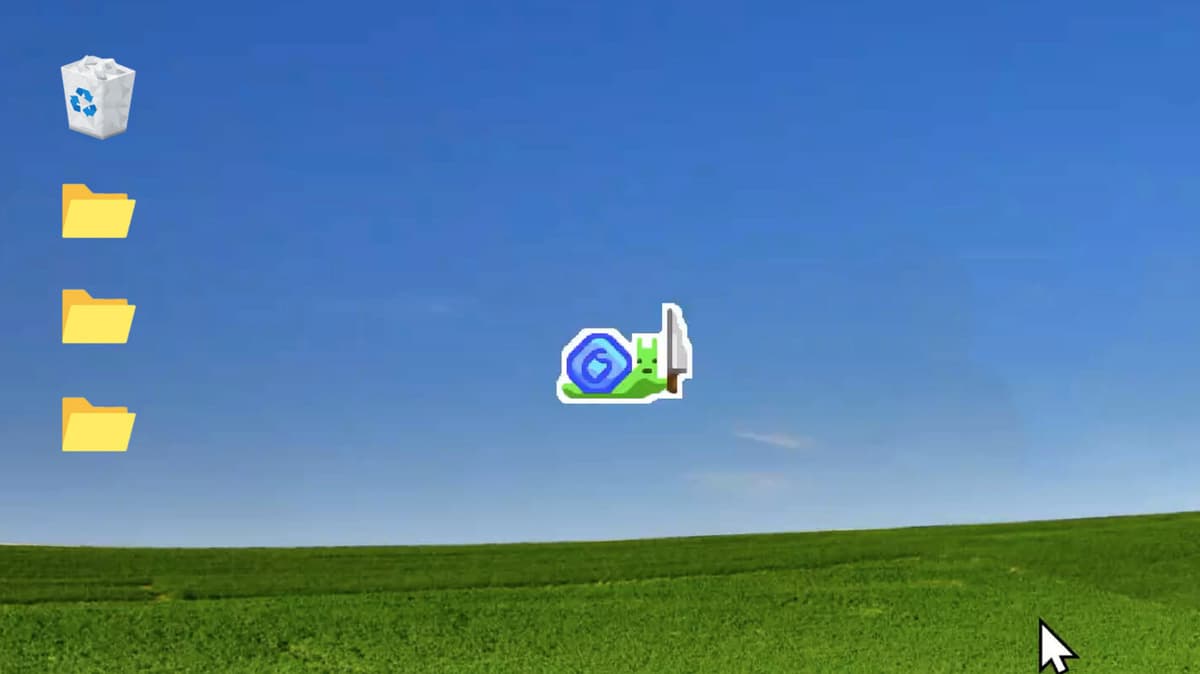
Don't Touch the Snail Is an Anti-Cozy Game that Takes Permadeath to the Next Level
Why It Matters
The game pushes permadeath into a novel, everyday‑computer setting, testing players’ attention spans and creating a new niche for ultra‑low‑cost, high‑risk experiences. Its permanent‑lockout mechanic could influence how indie developers design scarcity and player commitment.
Key Takeaways
- •Anti‑cozy indie game introduces permanent death via desktop cursor
- •Players must constantly move mouse to avoid snail, ending game permanently
- •Beta leaderboard shows top player survived 46 hours before death
- •Game records death locally and on server to prevent cheating
- •Steam release scheduled for May 29 at $1 price point
Pulse Analysis
The indie scene has long thrived on subverting expectations, and Don’t Touch the Snail takes that ethos to an extreme. By anchoring gameplay to the operating system’s cursor, the title blurs the line between work and play, turning a mundane task into a survival challenge. This anti‑cozy approach taps into a growing appetite for games that demand constant vigilance, echoing the tension found in roguelikes while stripping away traditional graphics and narrative layers. The result is a minimalist experience that feels both absurd and oddly compelling.
From a market perspective, the $1 price tag positions the game as an impulse purchase on Steam, lowering the barrier for curious gamers while delivering a high‑risk proposition. The built‑in leaderboard adds a competitive edge, encouraging players to brag about surviving longer than the 46‑hour record. Moreover, the dual‑recording of death—both locally and on the developer’s backend—addresses cheating concerns, ensuring the integrity of the high‑stakes environment. Such design choices could inspire other low‑budget developers to experiment with permanent consequences as a monetization hook.
Beyond its novelty, Don’t Touch the Snail reflects a broader trend of gamifying everyday interactions. By turning cursor movement into a life‑or‑death mechanic, it reimagines idle clickers as active vigilance tools, potentially spawning a sub‑genre where productivity and gameplay intersect. If the title garners a cult following, it may validate the commercial viability of ultra‑short, high‑tension experiences, prompting platforms to spotlight similar experiments. For investors and publishers, the game serves as a case study in how minimal development costs can be leveraged into strong community engagement and brand differentiation.
Don't Touch the Snail is an anti-cozy game that takes permadeath to the next level
Comments
Want to join the conversation?
Loading comments...