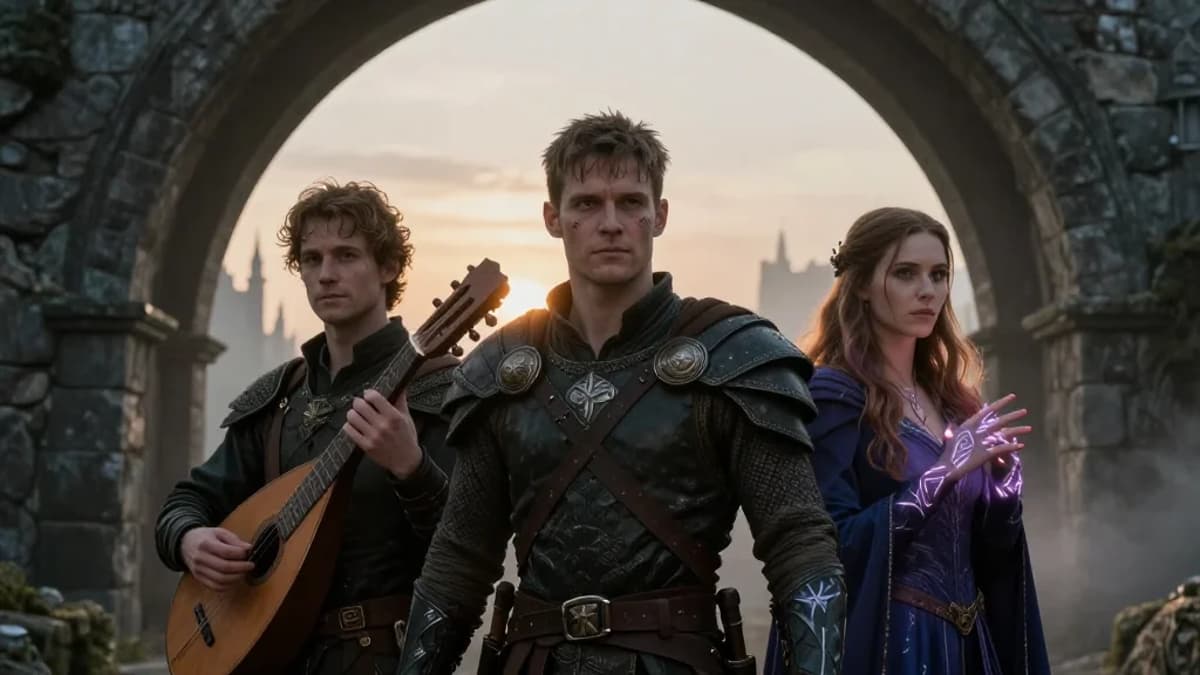
Dragon Age 2 Bucked The Trend Of World-Ending Stakes And Gave Us The Series' Best Companions
•March 8, 2026
0
Companies Mentioned

Why It Matters
The game demonstrates how aggressive timelines can spark innovative design, offering a template for studios seeking depth without sprawling worlds. Its success reshapes expectations for narrative‑focused RPGs in a market dominated by epic scale.
Key Takeaways
- •18‑month development forced tight, city‑centric design.
- •Kirkwall setting enabled deep character relationships.
- •Companion writing praised as series‑best.
- •Grounded narrative contrasts with world‑ending stakes.
- •Shows agile development can boost storytelling quality.
Pulse Analysis
Dragon Age 2’s rapid development cycle, dictated by Electronic Arts, forced BioWare to concentrate resources on a single, densely populated environment. By anchoring the experience in Kirkwall, the team avoided the costly creation of multiple expansive zones, instead crafting a living city that players could explore intimately. This design decision not only reduced production overhead but also heightened player immersion, as repeated visits fostered familiarity and emotional investment—an advantage often lost in sprawling open‑world titles.
The game’s lasting legacy stems from its companion roster, which critics now hail as the strongest in the franchise. Writers like David Gaider infused each character with distinct backstories, conflicting ideologies, and personal stakes that resonated beyond the main plot. Inter‑companion tension—such as Fenris’s disdain for Anders’s magical pursuits—created organic drama, while moments of unexpected solidarity, exemplified by Bethany’s universally respected presence, added depth. This nuanced character work elevated the RPG’s narrative credibility, proving that focused storytelling can outweigh sheer scale.
Industry observers view Dragon Age 2 as a case study in leveraging constraints for creative gain. The title illustrates that limited development windows can drive teams toward tighter narrative focus, richer world‑building, and stronger player‑character bonds. As studios grapple with rising production costs and audience fatigue from endless epic quests, the game’s success signals a shift toward more grounded, character‑centric experiences. Embracing such agile methodologies may help developers deliver compelling content without sacrificing quality, a lesson increasingly relevant in today’s competitive gaming landscape.
Dragon Age 2 Bucked The Trend Of World-Ending Stakes And Gave Us The Series' Best Companions
0
Comments
Want to join the conversation?
Loading comments...