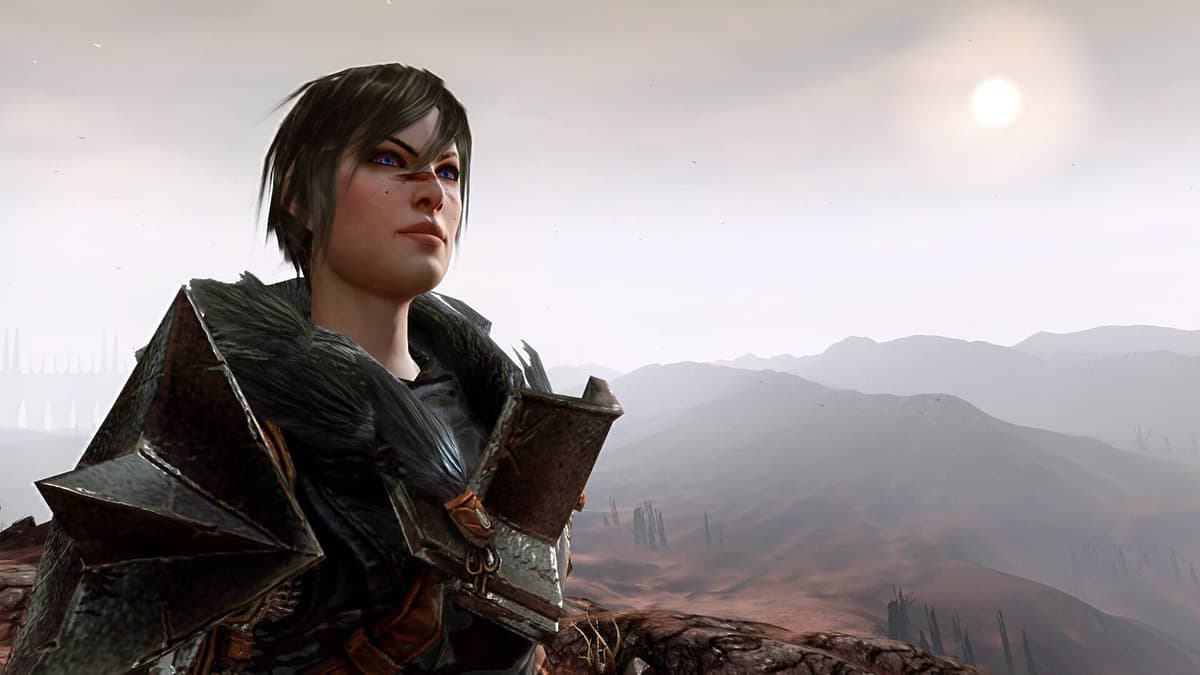
Dragon Age 2 Never Played It Safe — and That's What Made It Great
Why It Matters
The game demonstrates how constrained development timelines can force creative risks that revitalize a franchise, while also underscoring the volatility that studio restructuring brings to long‑term series viability.
Key Takeaways
- •Crunch timeline forced streamlined sequel development
- •Single protagonist Hawke replaced traditional race selection
- •Narrative tragedy prioritized over conventional happy endings
- •Risky design restored series' emotional intensity
- •EA layoffs now cloud future of franchise
Pulse Analysis
BioWare built its reputation on expansive RPGs with deep character customization, but Dragon Age 2 marked a decisive pivot. Faced with a tight 14‑to‑16‑month window, the studio stripped away multiple races and a sprawling world, focusing instead on a single, human refugee protagonist in Kirkwall. This compressed schedule forced developers to prioritize story beats over environmental variety, resulting in a game that feels more like a narrative prototype than a polished product, yet it captured a raw immediacy many fans found compelling.
The gamble paid off in storytelling terms. By centering the experience on Hawke’s inevitable tragedy, Dragon Age 2 abandoned the series’ usual promise of a hopeful resolution. Players were forced to confront the consequences of their choices in a world where loss was inevitable, delivering an emotional intensity that later entries, such as Inquisition, struggled to match with their broader, more cautious arcs. Critics praised the tighter focus and character-driven drama, noting that the game’s imperfections were outweighed by its willingness to subvert expectations and challenge the player’s agency.
Today, the franchise stands at a crossroads. EA’s recent restructuring, which saw many Dragon Age staff reassigned or laid off, casts doubt on the series’ next installment. The legacy of Dragon Age 2 serves as a cautionary tale: while creative risk can rejuvenate a brand, sustainable development practices and stable team composition are essential for long‑term success. Industry observers watch closely to see whether future BioWare projects will recapture that daring spirit without repeating the resource constraints that once defined Dragon Age 2.
Dragon Age 2 never played it safe — and that's what made it great
Comments
Want to join the conversation?
Loading comments...