Why It Matters
The abrupt termination highlights the volatility of live‑service games and the risk for players' invested time and money.
Key Takeaways
- •Dungeon Stalkers service ends June 9, 2026.
- •In‑app purchases halted March 9, 2026 UTC.
- •Early Access began August 13, 2025.
- •Developer ONEUNIVERSE cites internal circumstances.
- •Planned PlayStation 5 version never released.
Pulse Analysis
The live‑service model promises ongoing revenue but also demands sustained operational support. Dungeon Stalkers, a free‑to‑play PvE‑PvP dungeon crawler, followed a rapid rollout: Early Access in August 2025, full launch in October, and a planned PlayStation 5 port that never materialized. Less than a year after its full release, ONEUNIVERSE announced a shutdown timeline, first freezing in‑app purchases in March and ending gameplay in June. This swift lifecycle underscores how quickly a title can move from launch hype to closure.
ONEUNIVERSE cited "internal circumstances" as the catalyst for the decision, a phrase often masking budget shortfalls, staffing challenges, or unmet performance targets. In a crowded market where dozens of live‑service titles compete for player attention, maintaining server costs, content pipelines, and community support can become untenable if revenue lags. The shutdown reflects broader industry pressures: rising development costs, shifting player preferences, and the difficulty of monetizing free‑to‑play experiences without alienating the community.
For players, the termination serves as a cautionary reminder to diversify their gaming investments and monitor a title's health indicators, such as update frequency and developer communication. For publishers, transparent roadmaps and contingency plans can mitigate backlash and preserve brand reputation. As the live‑service sector matures, stakeholders will likely demand clearer metrics for sustainability, encouraging more prudent launch strategies and post‑launch support models.
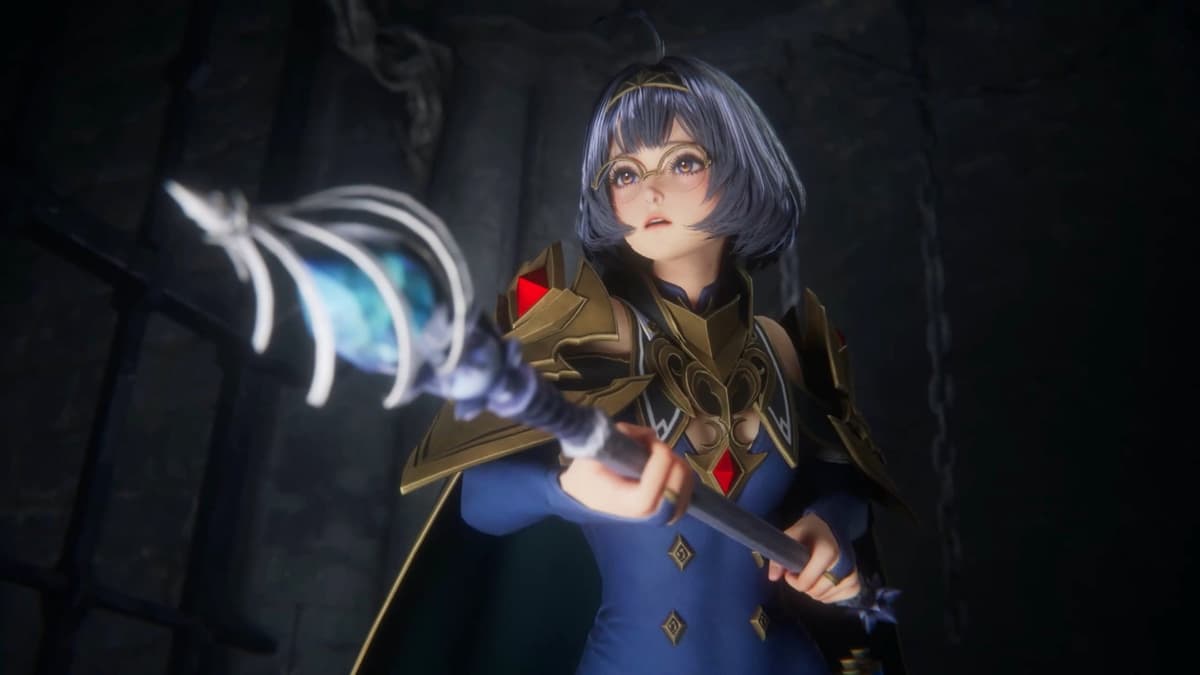
Dungeon Stalkers to end service on June 9
0
Comments
Want to join the conversation?
Loading comments...