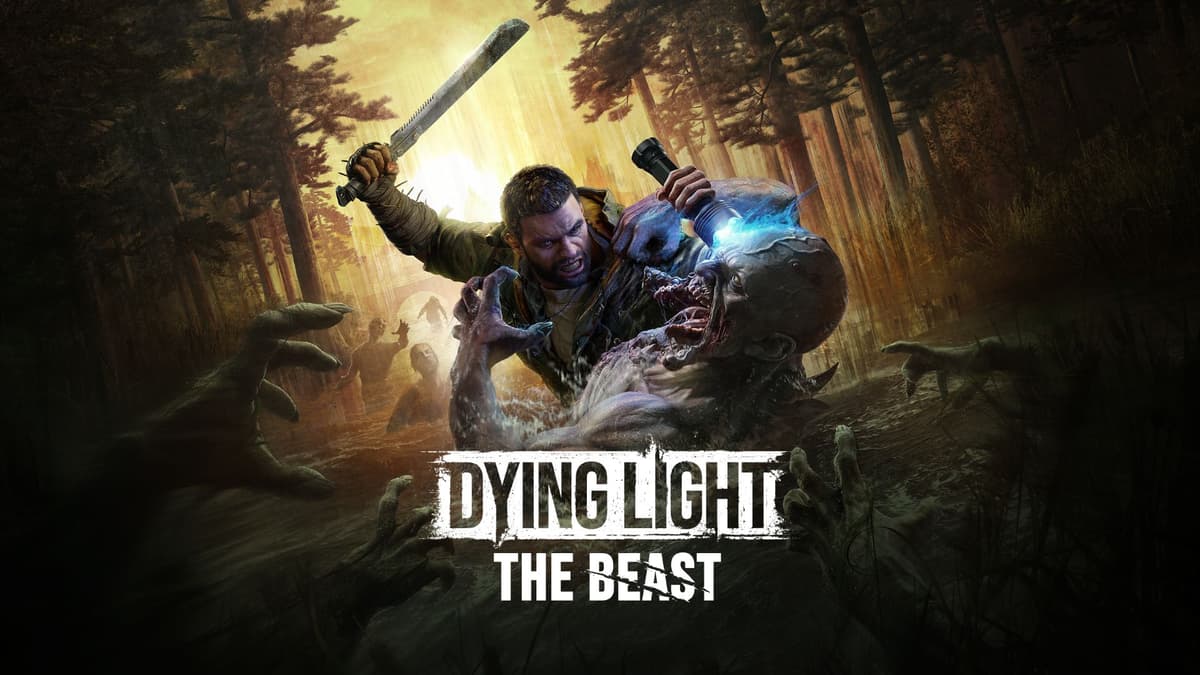
Dying Light: The Beast Taught Techland That “Quality Beats Quantity,” Says Former Franchise Director

Why It Matters
The Beast shows that refocusing on core gameplay can revive a struggling series and drive strong sales, a blueprint other developers may emulate.
Key Takeaways
- •Techland sold over 1.5 million copies of Dying Light: The Beast
- •The Beast focused on core parkour, combat, and open‑world design
- •Post‑launch updates added New Game+, Legend Levels, Nightmare Mode
- •Techland learned quality beats quantity after Dying Light 2’s mixed reception
- •Restored Land introduces permanent world changes and One Life permadeath mode
Pulse Analysis
The Dying Light franchise illustrates how a single misstep can jeopardize a brand’s momentum. Dying Light 2 Stay Human arrived with massive hype but fell short of player expectations, prompting criticism over uneven pacing, over‑ambitious feature creep, and a sense that core mechanics had been diluted. Industry observers noted that the title’s post‑launch patches struggled to reconcile divergent player demands, a common pitfall when studios chase breadth over depth. Techland’s response—pausing to reassess and rebuild around the series’ signature parkour‑driven combat—offers a textbook case of course correction in a fast‑moving market.
With the release of Dying Light: The Beast, Techland trimmed its scope to polish the essentials that originally defined the series. The expansion re‑emphasized fluid movement, visceral melee encounters, and a living open world, earning praise from both critics and the community. Free updates such as New Game+, Legend Levels, Nightmare Mode, and the recent Restored Land edition have extended longevity, introducing permanent world changes and a One Life permadeath option that reward skillful play. The reported 1.5 million‑plus sales figure underscores how a quality‑first approach can translate into commercial success, even for a title that began as a post‑launch patch.
The broader lesson for developers is clear: chasing every trend can dilute a game’s identity, while disciplined focus on core experiences drives both player loyalty and revenue. As the industry grapples with ever‑longer development cycles and ever‑expanding feature lists, Techland’s pivot serves as a reminder that iterative refinement often outperforms feature overload. The Beast’s sustained support model also hints at a future where games evolve through targeted, high‑impact updates rather than blanket, catch‑all expansions, a strategy likely to shape how studios allocate resources in the competitive AAA landscape.
Dying Light: The Beast Taught Techland That “Quality Beats Quantity,” Says Former Franchise Director
Comments
Want to join the conversation?
Loading comments...