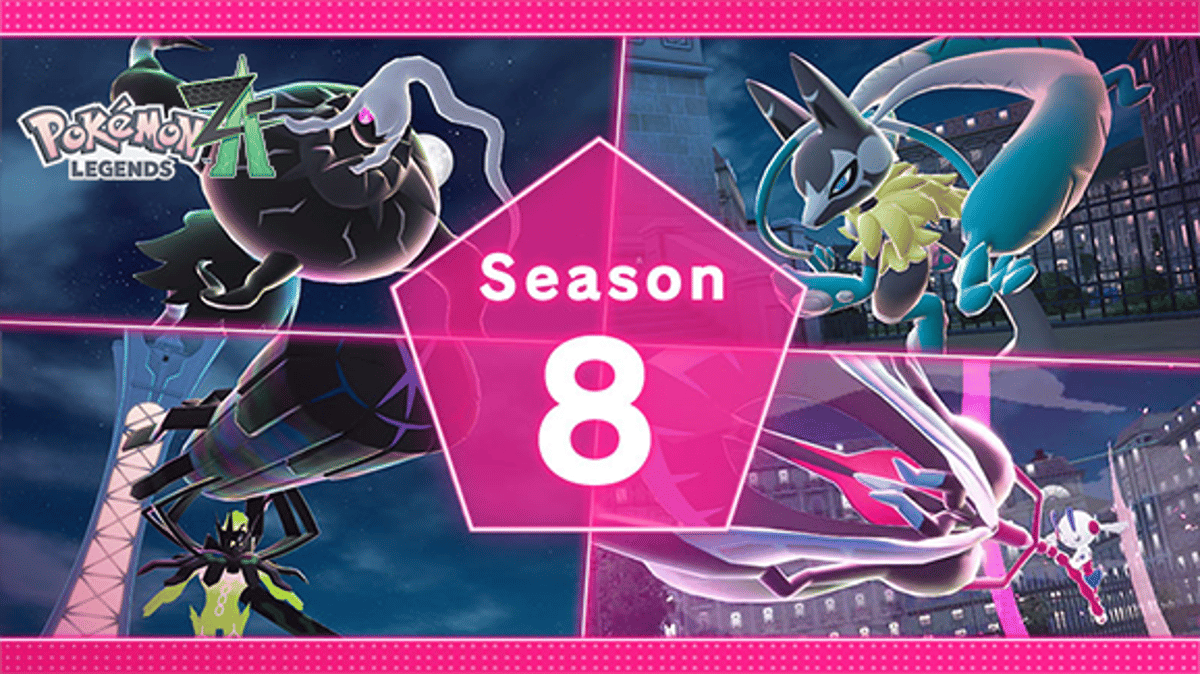
Earn Mega Shards in a Special Season of Pokémon Legends: Z‑A Ranked Battles (Season 8) Starting March 11th, 2026
•March 5, 2026
0
Why It Matters
The reward structure incentivizes competitive play and drives engagement with newly introduced Mega Evolutions, boosting in‑game monetization and player retention.
Key Takeaways
- •Season 8 runs March 11–April 1, 2026.
- •Only Mega‑eligible Pokémon from Z‑A or DLC allowed.
- •Mega Shards awarded up to 300 for Rank A.
- •Promotion rewards include seven new Mega Stones.
Pulse Analysis
Seasonal events have become a cornerstone of live‑service titles, and Nintendo’s latest push with Pokémon Legends: Z‑A Ranked Battles is no exception. By framing Season 8 as a limited‑time window, the company creates urgency that nudges both casual and hardcore trainers to log in daily. The tiered reward system—battle, promotion, and season rewards—mirrors proven models from other competitive games, ensuring a steady stream of activity while offering tangible in‑game value through Mega Shards and exclusive Mega Stones.
The decision to limit eligible Pokémon to those with Mega Evolutions introduced in the base game or the Mega Dimension DLC reshapes the meta dramatically. Teams will revolve around a narrower pool, prompting players to experiment with underutilized Mega forms like Zygarde or Mythical variants. This constraint also levels the playing field, as newcomers can focus on mastering a specific set of Pokémon without being overwhelmed by the broader roster. Strategic depth emerges from choices about level‑setting, item restrictions, and the single‑use rule per Pokédex number, encouraging thoughtful composition and real‑time adaptation.
From a business perspective, the season’s reward cadence fuels both engagement and potential revenue. Mega Shards can be exchanged for coveted items, driving in‑game purchases for players seeking faster progression. Moreover, the reintroduction of Mega Stones as promotion rewards rekindles interest in legacy content, extending the lifespan of previous updates. As the season concludes, the data gathered on player behavior will likely inform future iterations, cementing seasonal Ranked Battles as a recurring pillar of the Pokémon ecosystem.
Earn Mega Shards in a Special Season of Pokémon Legends: Z‑A Ranked Battles (Season 8) Starting March 11th, 2026
0
Comments
Want to join the conversation?
Loading comments...