Elsa's Broken Kit in Marvel Rivals Is Just a Symptom of a Larger Powercreep Problem
•February 17, 2026
0
Why It Matters
The imbalance threatens Marvel Rivals’ competitive integrity and could alienate both casual and esports players if not addressed promptly.
Key Takeaways
- •Elsa's shotgun lacks spread, high damage at range.
- •New heroes feature rapid cooldowns, multiple mobility skills.
- •Legacy roster built around slower abilities, causing imbalance.
- •NetEase's shift toward combo-heavy play risks power creep.
- •Balancing patches needed to align old and new heroes.
Pulse Analysis
Power creep is a common challenge for live‑service titles, and Marvel Rivals is no exception. Over the past two seasons NetEase has introduced characters with dramatically shorter cooldowns and layered mobility options, fundamentally altering the game’s tempo. This shift pushes the meta toward high‑speed combos, rewarding players who can chain abilities without pause. While such evolution can refresh a stagnant roster, it also creates a disparity when legacy heroes—designed for longer skill cycles—cannot keep pace, prompting community backlash.
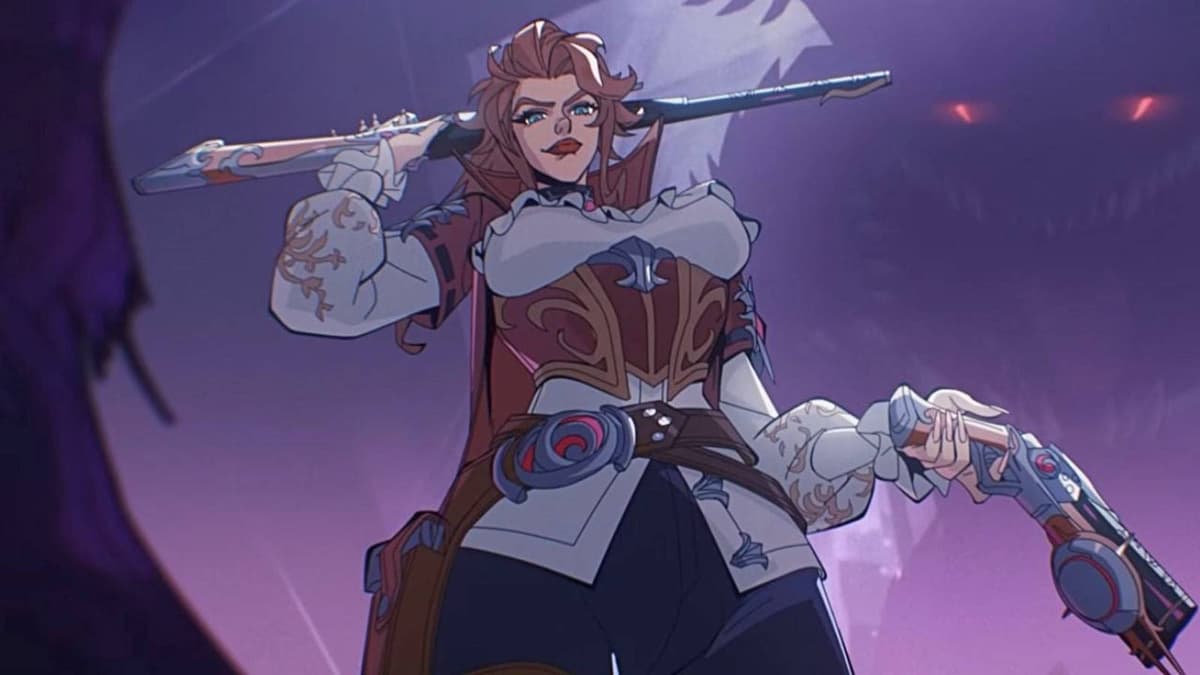
Elsa Bloodstone exemplifies the symptom of this imbalance. Her shotgun fires without pellet spread and maintains rifle‑level precision, allowing three‑hit eliminations at 30 m and two at 15 m. Coupled with two mobility skills on a two‑second cooldown, she can close gaps, unleash damage, and retreat before opponents react. Compared to older characters like Magneto or Captain America, whose shields and mobility have lengthy timers, Elsa’s kit feels disproportionately potent, especially in unranked matches where players lack coordinated counters.
For NetEase, the lesson is clear: incremental hero upgrades must be matched by systematic rebalancing of the existing cast. A holistic patch that adjusts cooldowns, mobility, and damage scaling across the board will preserve the intended skill‑floor while still embracing a faster, combo‑driven vision. Failure to do so risks eroding the competitive ecosystem, driving players toward alternative titles, and undermining the longevity of Marvel Rivals as a flagship esports property.
Elsa's broken kit in Marvel Rivals is just a symptom of a larger powercreep problem
0
Comments
Want to join the conversation?
Loading comments...