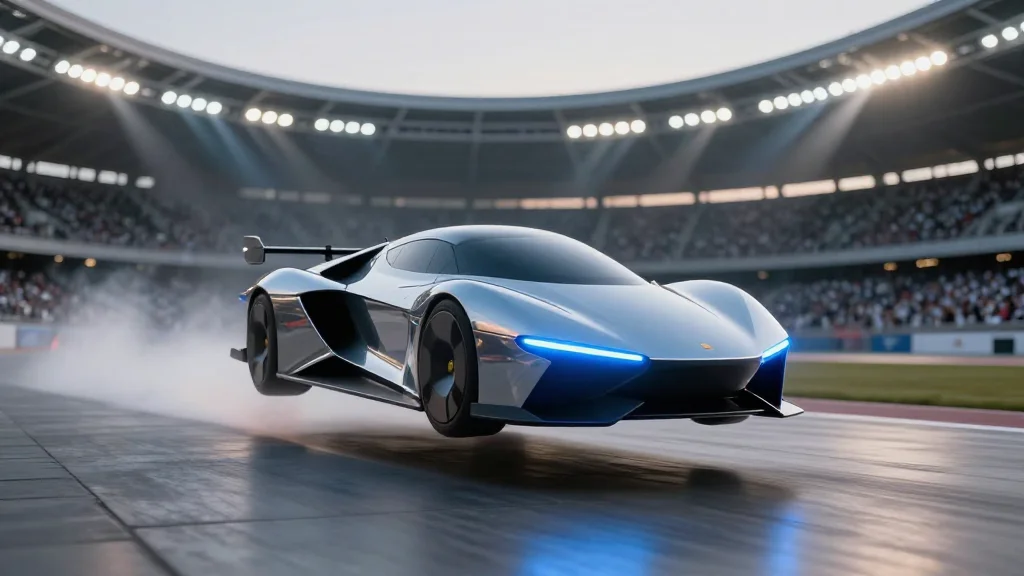
Epic Games Launches Unreal Engine 6 with Rocket League Visual Overhaul at Paris Major

Companies Mentioned
Why It Matters
Unreal Engine 6’s debut marks a pivotal moment for the gaming ecosystem because Epic’s engine powers a majority of AAA titles and an expanding suite of non‑gaming media. By modernizing Rocket League—a game that has been stuck on UE3 for over a decade—Epic showcases the tangible benefits of its next‑gen tech, potentially accelerating migration for studios still on UE4 or UE5. The visual upgrade also raises expectations for esports production quality, where real‑time rendering can enhance broadcast experiences and fan engagement. Moreover, the reveal underscores Epic’s broader ambition to integrate creator tools, metaverse‑style economies and cross‑title compatibility under a single engine umbrella. If UE6 delivers on performance and workflow promises, it could solidify Epic’s dominance over rivals and shape the development pipeline for the next wave of console and PC releases, influencing everything from indie projects to blockbuster franchises.
Key Takeaways
- •Epic Games unveiled Unreal Engine 6 at the Rocket League Paris Major on May 24, 2026.
- •Rocket League, built on Unreal Engine 3 since 2015, received its first visual overhaul in 11 years.
- •Cliff Shoemaker (Epic) highlighted real‑time rendering for broadcast; Mauricio Longoni (Rocket League) called the game "its own sport."
- •Community creators expressed excitement but noted lack of technical details and performance assurances.
- •UE6 aims to become the default engine for next‑gen consoles, with potential rollout to Fortnite and other titles.
Pulse Analysis
Epic’s decision to launch Unreal Engine 6 through Rocket League is a calculated gamble that leverages the game’s massive esports following to generate buzz while sidestepping the typical glossy tech demo. By anchoring the reveal to a live‑event environment, Epic demonstrates the engine’s real‑time capabilities, a selling point for studios that need seamless integration between gameplay and broadcast. This approach also mitigates the risk of overpromising on visual fidelity; Rocket League’s relatively modest art direction means the upgrade is immediately noticeable without demanding next‑gen hardware, offering a proof‑of‑concept that UE6 can deliver tangible improvements on existing platforms.
However, the lack of concrete performance metrics fuels skepticism. The industry’s experience with UE5 shows that groundbreaking features like Nanite and Lumen often arrive with steep optimization challenges. If UE6 repeats this pattern, developers may face a trade‑off between visual upgrades and frame‑rate stability, especially on mid‑range PCs. Epic’s success will hinge on delivering the promised ecosystem benefits—such as tighter creator tool integration and reduced CPU overhead—without sacrificing the accessibility that has made Rocket League a staple of free‑to‑play esports.
Looking ahead, UE6 could become the linchpin of Epic’s broader strategy to lock in developers across gaming, film and virtual production. By positioning the engine as a universal platform for both AAA titles and user‑generated content, Epic aims to create a self‑reinforcing loop: more developers adopt UE6, more tools and assets become available, and the community’s creative output fuels further engine adoption. The upcoming RLCS World Championship and a potential beta release later this year will be critical checkpoints for measuring whether the hype translates into developer confidence and, ultimately, market share growth.
Epic Games launches Unreal Engine 6 with Rocket League visual overhaul at Paris Major
Comments
Want to join the conversation?
Loading comments...