Eve Online's New In-Game Chatbot "Is Not Generative AI," But I'd Still Rather Ask Randomers for Advice
•February 17, 2026
0
Why It Matters
Aura Guidance shows how MMOs can adopt AI‑assisted support without eroding player interaction, potentially improving new‑player retention while preserving the social core of the genre.
Key Takeaways
- •Aura Guidance uses static FAQ database, not generative AI
- •Built from 5.8 million rookie questions
- •Optional feature; can be disabled anytime
- •Focuses on basic help, not strategic advice
- •CCP emphasizes preserving human community interaction
Pulse Analysis
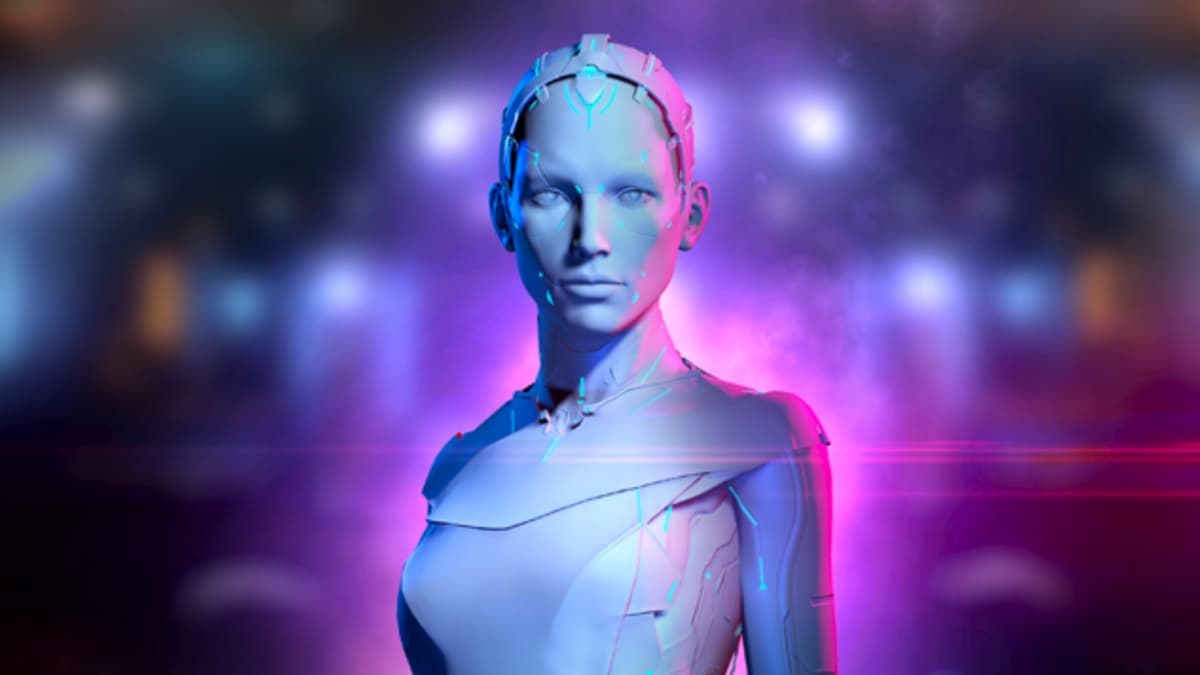
The rise of artificial intelligence in video games has sparked both excitement and caution, especially in massively multiplayer online (MMO) titles where player interaction defines the experience. Eve Online, a long‑standing space sandbox, recently announced Aura Guidance, an in‑game chatbot designed to answer rookie questions without relying on generative models. By mining more than 5.8 million historical support tickets, CCP built a curated knowledge base that delivers concise, pre‑written answers directly in the client. This approach aims to reduce the friction new pilots feel while keeping the social fabric of the universe intact.
Unlike chatbots that generate text on the fly, Aura Guidance pulls from a fixed repository, ensuring consistency and eliminating the risk of hallucinated advice that could disrupt complex market or fleet strategies. The system is opt‑in, allowing players to toggle it off if they prefer traditional forums or in‑game mentorship. Early feedback suggests the tool excels at handling routine queries—such as navigation, ship fitting basics, and tutorial steps—while deliberately deferring nuanced tactical discussions to human allies. This design choice reflects CCP’s commitment to a hybrid support model.
The launch signals a broader industry trend: developers are experimenting with AI‑driven assistance that respects the community‑centric ethos of MMOs. By avoiding full‑scale generative AI, Eve Online sidesteps potential backlash over unpredictable outputs and data privacy concerns, while still showcasing technical innovation. If successful, Aura Guidance could become a template for other sandbox games seeking to streamline onboarding without eroding player‑to‑player mentorship. Ultimately, the balance between automated help and organic interaction will shape retention rates and the long‑term health of virtual economies.
Eve Online's new in-game chatbot "is not generative AI," but I'd still rather ask randomers for advice
0
Comments
Want to join the conversation?
Loading comments...