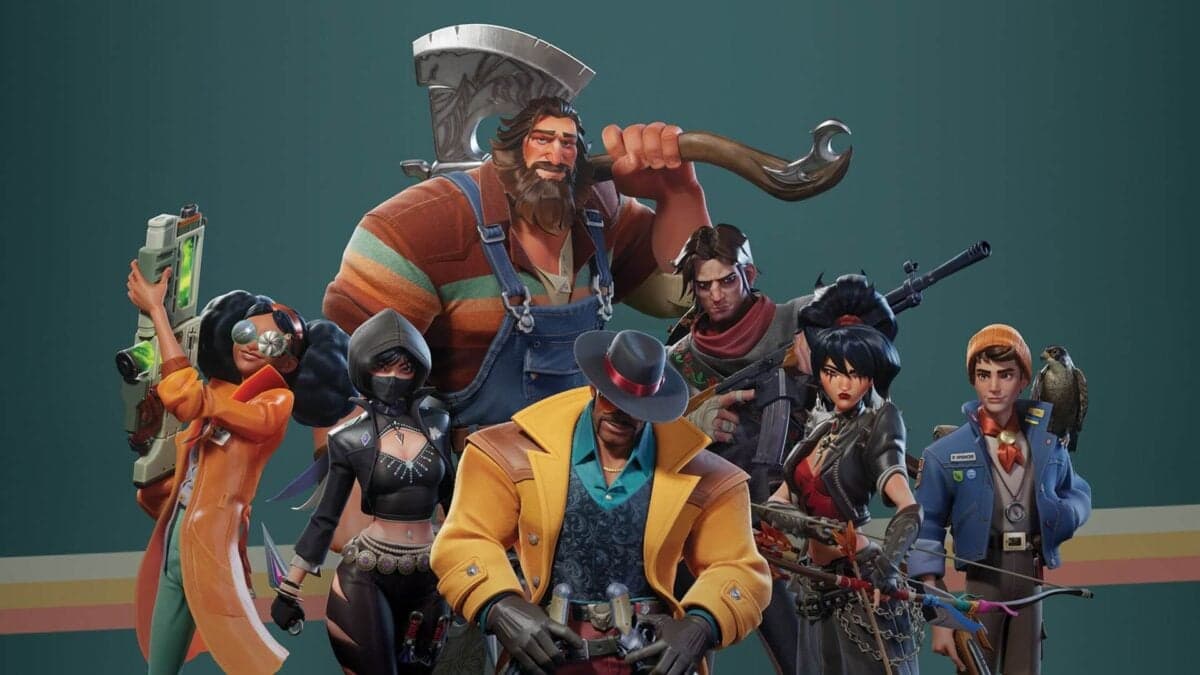
Even The Lead Singer Of Imagine Dragons Can Barely Get Anyone To Play His Live-Service Game

Why It Matters
The launch highlights that even high‑profile backing cannot overcome market saturation in live‑service games, signaling funding and audience challenges for indie developers. It underscores the need for realistic growth strategies in an oversaturated multiplayer space.
Key Takeaways
- •Last Flag launched on Steam with $15 price, no microtransactions.
- •Game peaked under 600 concurrent players despite Imagine Dragons promotion.
- •Dan and Mac Reynolds cite funding challenges for indie studios in 2026.
- •Live‑service hero shooters remain oversaturated, hindering new entrants.
- •Developers prioritize sustainable community over launch player counts.
Pulse Analysis
Celebrity involvement in video games is not a guaranteed formula for success. Dan Reynolds’ foray into game development with Last Flag generated headlines, yet the title’s modest concurrent player count reveals that name recognition alone cannot drive sustained engagement. The $15, microtransaction‑free model was positioned as a consumer‑friendly alternative, but in a market flooded with free‑to‑play live‑service shooters, price points matter less than network effects and content pipelines.
The broader live‑service landscape in 2026 is marked by oversaturation. Hero shooters, battle royales, and competitive multiplayer titles compete for a limited pool of players, and platforms like Steam increasingly favor games with strong launch metrics. Last Flag’s sub‑600 peak illustrates how difficult it is for new IPs to break through, even with a built‑in audience from a band’s fanbase. The lack of microtransactions also removes a common revenue lever, forcing developers to rely on initial sales and long‑term community growth, which is a risky proposition without a sizable player base.
For indie studios, the lesson is clear: sustainable community building must precede expectations of rapid scale. Funding remains tight, as Mac Reynolds noted, and runway constraints push studios to focus on core gameplay and retention rather than flashy marketing. Success metrics are shifting toward active, engaged users rather than raw launch numbers. As the industry continues to evolve, developers who can nurture niche communities while navigating funding hurdles will be better positioned to survive the crowded live‑service arena.
Even The Lead Singer Of Imagine Dragons Can Barely Get Anyone To Play His Live-Service Game
Comments
Want to join the conversation?
Loading comments...