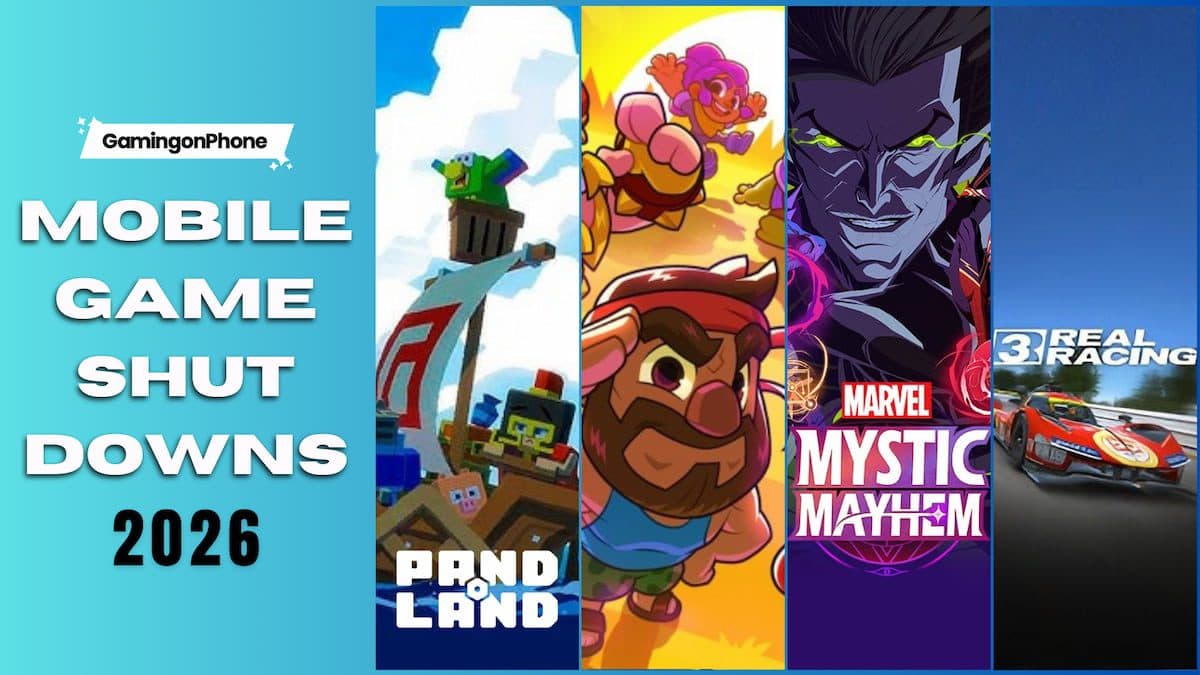
Why It Matters
The rapid succession of shutdowns highlights the volatility of the mobile gaming market and forces developers to reassess lifecycle management and monetization strategies. It also disrupts player communities and can erode brand equity for publishers.
Key Takeaways
- •More than 25 mobile games ending service in 2026.
- •Major publishers like EA, Activision, and SEGA included.
- •Shutdowns span genres from RPGs to sports simulations.
- •Regional closures affect Japan, Korea, and global markets.
- •Early-year closures signal tightening monetization expectations.
Pulse Analysis
The early‑2026 surge of mobile game terminations underscores a broader industry shift toward shorter, high‑intensity service windows. While some titles, like The Sims Mobile, enjoyed multi‑year runs, many newer releases failed to achieve sustainable player bases, prompting publishers to cut losses before the costly maintenance phase. This pattern reflects heightened competition in app stores, where discoverability is scarce and user acquisition costs continue to climb, forcing studios to prioritize rapid ROI over long‑term support.
For developers and investors, each shutdown carries tangible financial repercussions. Server hosting, ongoing content updates, and licensing fees represent significant overhead that can outweigh dwindling in‑app purchase revenue. Moreover, abrupt service endings damage consumer trust, prompting players to hesitate before investing time or money in future releases. Companies such as EA and Activision are now scrutinizing live‑ops pipelines, seeking to balance fresh content drops with realistic retention forecasts to avoid premature closures.
Looking ahead, the mobile sector is likely to consolidate around fewer, higher‑performing titles while leveraging cross‑platform ecosystems to extend player lifecycles. Data‑driven analytics will become essential for predicting churn and optimizing monetization without alienating users. Publishers may also explore strategic partnerships or acquisitions to bolster content libraries and share operational costs. Ultimately, the 2026 shutdown trend serves as a cautionary signal: sustainable success will depend on adaptable live‑service models, robust community engagement, and prudent financial planning.
Every Mobile Game Shutdown that happened in 2026
0
Comments
Want to join the conversation?
Loading comments...