Expedition 33 Proves Every Game Needs a Good Parry
•February 13, 2026
0
Why It Matters
Parry systems transform defensive play into offensive opportunities, boosting player agency and game longevity. Their inclusion can differentiate titles in a crowded market and drive higher critical reception.
Key Takeaways
- •Parry mechanics enhance combat depth across genres.
- •Lack of parry in Romeo limits defensive options.
- •Stellar Blade showcases effective melee parry system.
- •Expedition 33 integrates parry into turn‑based combat.
- •Developers urged to incorporate parry for richer gameplay.
Pulse Analysis
The concept of parrying—timed deflection of an enemy attack—has its roots in the Soulslike movement, where precise timing became a hallmark of skillful play. Early adopters used it to turn a defensive stance into an opening for high‑damage counters, rewarding players who mastered the rhythm of combat. As the mechanic migrated beyond its niche, designers recognized its capacity to add layers of strategy without inflating controller complexity, making it an attractive tool for both indie and AAA studios.
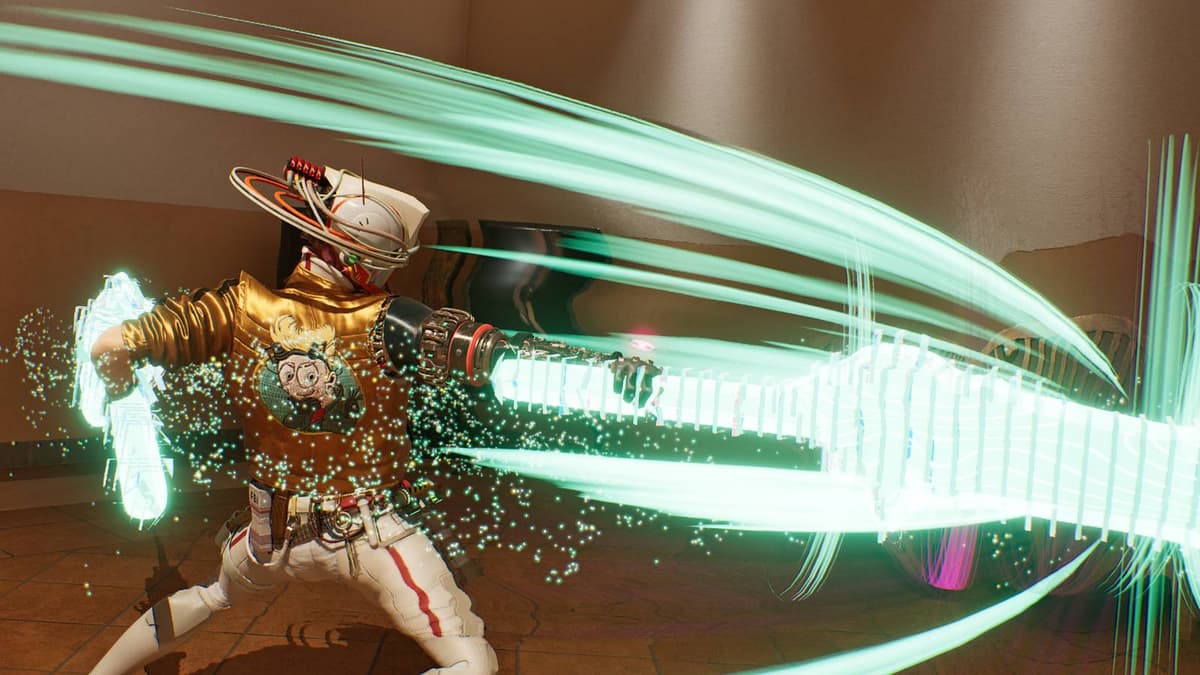
Recent titles illustrate the versatility of parry across genres. Stellar Blade leverages a single melee weapon and a tight parry window to keep combat fresh, while Doom: The Dark Ages reimagines the classic FPS shield as a forward‑facing parry that encourages aggressive positioning. Perhaps most striking is Expedition 33, a turn‑based RPG that grants action points for successful parries, effectively merging real‑time reflexes with strategic planning. These examples show that a well‑implemented parry can elevate pacing, deepen tactical choices, and increase player satisfaction regardless of perspective or genre.
For developers, the takeaway is clear: integrating a responsive parry system can differentiate a game in an oversaturated market and extend its replay value. Modern audiences expect agency; giving players a tool that converts defense into offense satisfies that demand. As streaming and competitive play continue to shape consumer expectations, titles that blend timing‑based mechanics with broader gameplay loops are poised to capture critical acclaim and stronger community engagement.
Expedition 33 proves every game needs a good parry
0
Comments
Want to join the conversation?
Loading comments...