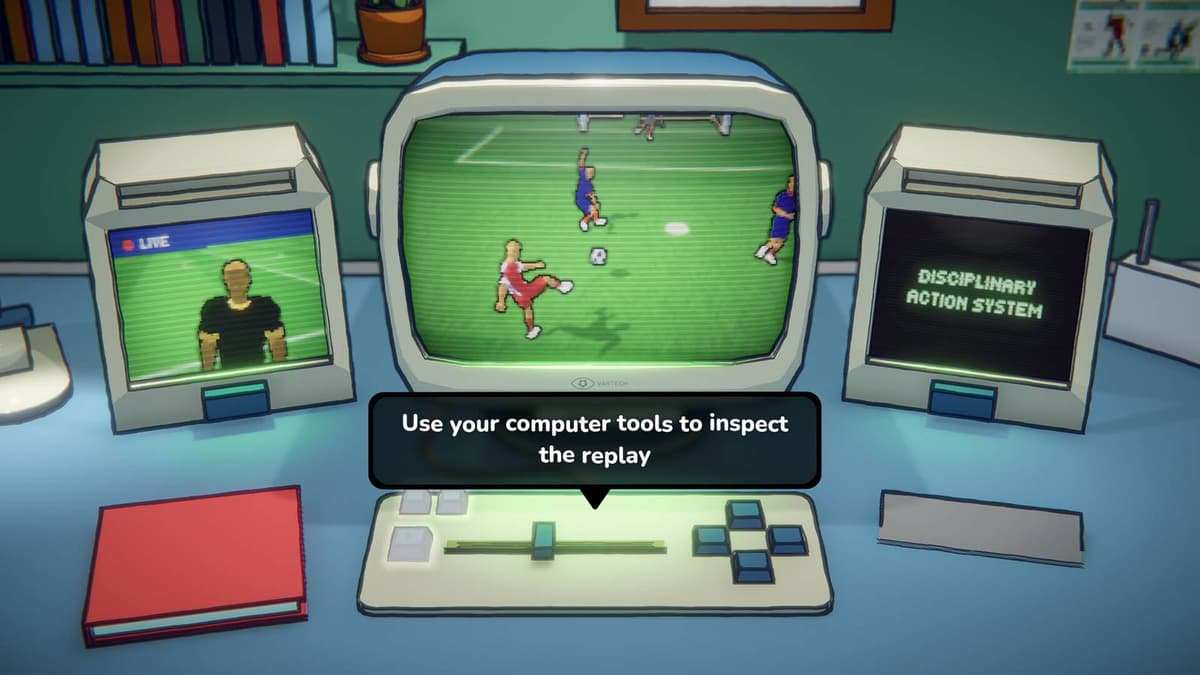
Eye Of The Match Is A Football Game That Lets You Be A VAR Official
•March 2, 2026
0
Why It Matters
The game turns widespread VAR criticism into an interactive experience, highlighting officiating challenges and potentially shaping public perception of video‑review technology. It also shows how indie developers can monetize niche sports controversies.
Key Takeaways
- •Indie game simulates VAR decision‑making.
- •Gameplay mirrors Papers, Please decision pressures.
- •No release date; wishlist on Steam.
- •Highlights fan frustration with real‑world VAR.
- •Introduces moral dilemmas like bribery.
Pulse Analysis
The growing backlash against video assistant referee (VAR) technology has created a fertile niche for developers seeking to turn criticism into gameplay. Eyes of the Match, an upcoming indie title, positions the player behind the virtual replay booth rather than on the pitch, allowing a direct experience of the split‑second judgments that fuel fan outrage. By framing VAR as a playable mechanic, the game taps into a broader trend where sports simulations explore peripheral roles—similar to titles that let players manage front‑office duties or act as stadium announcers. This approach not only widens the market for football games but also offers a satirical lens on a polarising subject.
Gameplay revolves around reviewing incidents with multi‑angle replays, zoom controls, and a ticking clock that mirrors real‑world VAR timelines. Each decision can involve fouls, offsides, handballs or disputed goals, and the interface forces players to balance accuracy against external pressures such as simulated bribes or fan chants. The design draws clear inspiration from Papers, Please, where bureaucratic scrutiny and moral ambiguity create tension; here, the stakes are measured in match outcomes rather than immigration status. This blend of procedural rigor and ethical choice aims to make the VAR role both educational and entertaining.
While Eyes of the Match remains unreleased, its presence on Steam has already sparked conversation among fans, analysts, and even professional referees questioning whether interactive simulations could improve real‑world decision‑making. By exposing players to the complexities of video review, the game may foster greater empathy for officials and highlight the need for clearer protocols. For indie developers, the title demonstrates how niche controversies can be transformed into compelling content, potentially opening doors for future sports‑tech hybrids that blend education, satire, and gameplay.
Eye Of The Match Is A Football Game That Lets You Be A VAR Official
0
Comments
Want to join the conversation?
Loading comments...