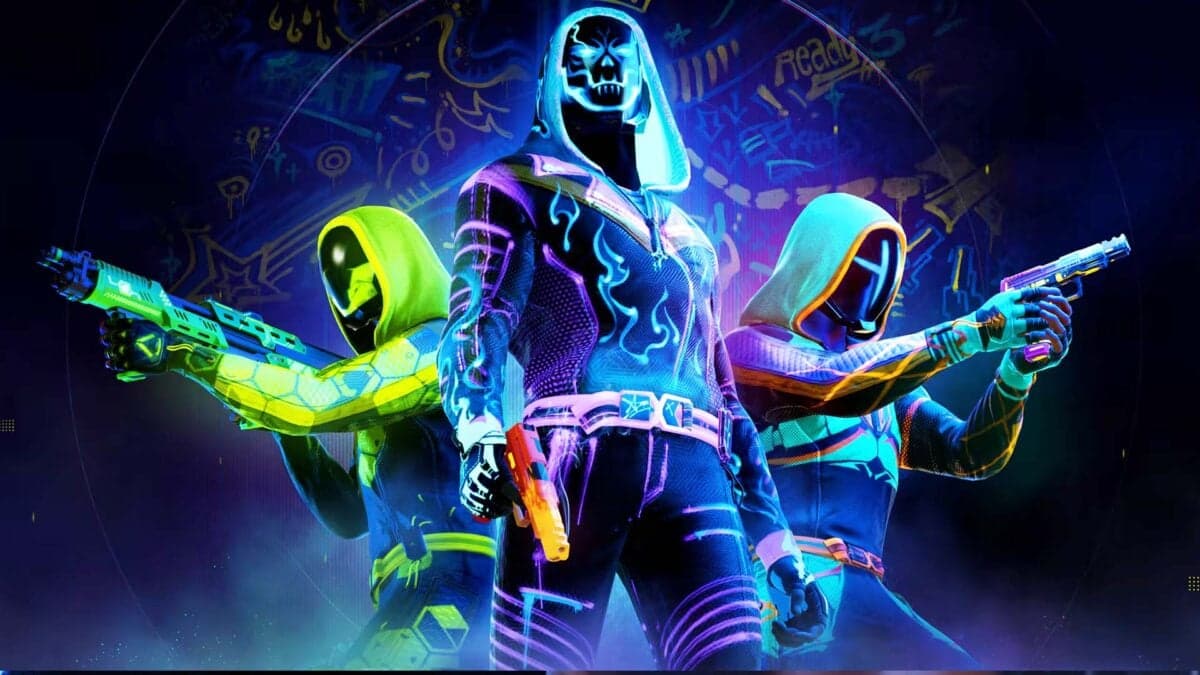
Failed Online Shooter Won’t Shut Down Because ‘Games Are Art And Deserve To Be Preserved’

Why It Matters
The decision highlights a growing industry emphasis on game preservation and accessibility, signaling that titles can have cultural value beyond immediate profit. It also offers a rare example of an indie studio sustaining a failed product for community and legacy reasons.
Key Takeaways
- •Double Eleven makes Blindfire free and keeps servers live indefinitely
- •New “Lights Out” update adds weapons, skins, and audio aim assist
- •Audio aim assist improves accessibility for blind and partially sighted players
- •Preservation reflects growing industry focus on games as cultural artifacts
- •Rare move contrasts with quick shutdowns of other failed titles
Pulse Analysis
Blindfire’s transition from a struggling paid title to a free, permanently hosted experience underscores a shifting mindset in the video‑game industry: games are increasingly being treated as cultural works worth preserving. Double Eleven’s decision to rebrand the title as Blindfire: Lights Out and keep its servers online, despite modest sales since its October 2024 launch, signals a commitment to archival stewardship that goes beyond short‑term profit. This stance aligns with recent museum‑level initiatives and the growing discourse around video games as intangible heritage.
The final patch introduces an “Audio Aim Assist” feature, a rare accessibility tool that translates visual cues into directional sound for blind and partially sighted players. By embedding audio‑based enemy location cues, Double Eleven not only broadens Blindfire’s player base but also sets a benchmark for inclusive design in fast‑paced multiplayer shooters. Industry analysts note that such features can boost community goodwill and extend a game’s lifespan, especially when traditional revenue streams are limited. The move highlights how accessibility can become a differentiator rather than an afterthought.
Making Blindfire free eliminates the price barrier, but keeping servers running incurs ongoing costs that Double Eleven must absorb or offset through ancillary revenue such as cosmetic microtransactions. The decision may inspire other indie studios to consider preservation‑first strategies, especially as platforms like Steam increasingly support legacy hosting. At the same time, the move serves as a cautionary tale for publishers that rely on rapid ROI; without a sustainable player base, even well‑funded projects can fade. Blindfire’s continued availability thus becomes both a cultural statement and a test case for long‑term service models.
Failed Online Shooter Won’t Shut Down Because ‘Games Are Art And Deserve To Be Preserved’
Comments
Want to join the conversation?
Loading comments...