Gaming News and Headlines
  • All Technology
  • AI
  • Autonomy
  • B2B Growth
  • Big Data
  • BioTech
  • ClimateTech
  • Consumer Tech
  • Crypto
  • Cybersecurity
  • DevOps
  • Digital Marketing
  • Ecommerce
  • EdTech
  • Enterprise
  • FinTech
  • GovTech
  • Hardware
  • HealthTech
  • HRTech
  • LegalTech
  • Nanotech
  • PropTech
  • Quantum
  • Robotics
  • SaaS
  • SpaceTech
AllNewsDealsSocialBlogsVideosPodcastsDigests

Gaming Pulse

EMAIL DIGESTS

Daily

Every morning

Weekly

Sunday recap

NewsDealsSocialBlogsVideosPodcasts
GamingNewsFatal Frame 2: Crimson Butterfly Remake Preview: A Mix of Future and Past
Fatal Frame 2: Crimson Butterfly Remake Preview: A Mix of Future and Past
Gaming

Fatal Frame 2: Crimson Butterfly Remake Preview: A Mix of Future and Past

•February 13, 2026
0
Hardcore Gamer
Hardcore Gamer•Feb 13, 2026

Why It Matters

The remake demonstrates how classic horror franchises can be revitalized for contemporary audiences, influencing future remaster strategies in the gaming industry. Its blend of nostalgia and modern design may set a benchmark for how legacy titles balance authenticity with innovation.

Key Takeaways

  • •Remake forces combat, eliminates escape options
  • •Over‑shoulder camera replaces original fixed angles
  • •Aggravated wraiths heal, become more aggressive
  • •Visuals and 3D audio completely rebuilt for immersion
  • •Quick‑use items and unlimited basic film added

Pulse Analysis

The resurgence of early‑2000s horror titles reflects a broader industry push to monetize nostalgia while attracting new players. Fatal Frame II’s remake arrives amid a wave of revivals, from Resident Evil to Silent Hill, signaling publishers’ confidence that classic atmospheres still resonate. By updating graphics, audio, and control schemes, developers can extend a franchise’s lifecycle, tapping into both retro‑gaming communities and streaming audiences hungry for fresh scares.

Gameplay revisions in the new Fatal Frame II illustrate a deliberate shift toward tighter, more confrontational design. Forced combat encounters and the introduction of aggravated wraiths raise the difficulty ceiling, demanding quicker decision‑making and resource management. The over‑shoulder camera eliminates the disorienting fixed angles of the original, offering clearer sightlines while preserving tension through dynamic lighting and 3D sound cues. These adjustments cater to modern expectations without abandoning the series’ signature photographic combat mechanic.

From a business perspective, the remake serves as a litmus test for how legacy IP can be repackaged profitably. Successful execution could encourage studios to revisit other niche horror gems, expanding the market beyond blockbuster franchises. Moreover, the emphasis on immersive audio and visual fidelity aligns with the growing adoption of next‑gen consoles and VR platforms, positioning the title for cross‑generational appeal. As the line between remaster and remake blurs, Fatal Frame II may set a new standard for balancing reverence to source material with the demands of contemporary gamers.

Fatal Frame 2: Crimson Butterfly Remake Preview: A Mix of Future and Past

By Adam Beck · Published Feb 12, 2026, 8:00 PM EST

A Canadian who has worked in the gaming industry for over two decades, Beck grew up on games such as Final Fantasy and Super Mario Bros. He specializes in role‑playing games, but covers titles in almost all genres. His dream is to one day be involved in the development of a video game, but until that day comes, he will continue to cover the industry he's so passionate about.

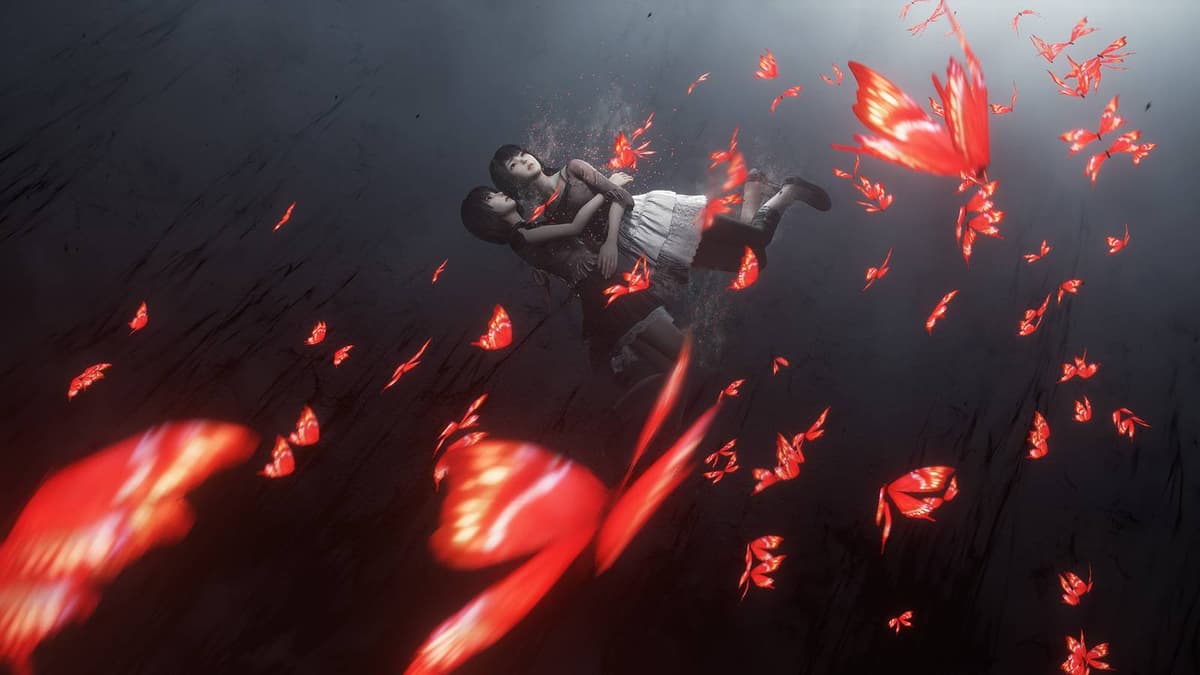
It has been over 22 years since Fatal Frame II: Crimson Butterfly first graced us on the PlayStation 2, with the Director’s Cut coming a year later for Xbox players. There was even a full‑blown remake for the Nintendo Wii; unfortunately, it never saw the light of day in North America. It was heralded as one of the scariest games back in the day, and for good reason. The game puts players in the shoes of Mio Amakura, an unlikely heroine who finds herself in a ghostly rural village with her sister and little means of defense.

This wasn’t a game like Resident Evil or Silent Hill where you could pick up a pipe or handgun and start killing creatures. The only tool at Mio’s disposal was a rusty camera that ghosts were conveniently quite weak against. Instead of standing back to dispose of enemies, it was all about getting up in their faces, exposing Mio to potential danger.

With the release of a new modern remake a month away, we sat down for around four hours to see what has changed and whether the original vision remains intact.


Fight or Flight

One aspect the remake seems to be focusing more on is its combat. While the original had its forced battles, the handful of chapters we played in the remake trapped us in additional rooms with a spirit and forced us to engage in battle.

Even in a more open space like in chapter 2’s village, when a wraith appears, they will lock all exits and force the player to kill them to proceed. There’s no getting around it. This makes almost every encounter with a ghost a mini‑boss fight since you’re unable to run and they can take a while to complete. When there’s more than one wraith in a room, things get even more hectic.

Combat itself remains mostly the same at a core level, although there have been quality‑of‑life improvements added, such as quick‑use items. Mio has a camera (Obscura) that has special abilities to repel entities, with various other film having different effects. Some film loads fast but does less damage, while others may have more storage but take longer to load. There’s a balancing act, although unlimited basic film can be used if all else fails.

The main interaction is to take a photo of a ghost, dealing damage to it based on a few factors. The closer and more in focus the ghost is, the more damage it will take. When it’s in the middle of an attack, it can be stunned when the target on its head glows red. There are also now break points, allowing for power attacks to occur afterward, provided the film loads on time. It’s not just about fighting, as the Camera Obscura also features different filters to better help with the altered puzzles, be it lining up specific angles to reveal something hidden or simply following a trail.


Getting Aggravated (Wraiths)

Aggravated Wraiths is a reworked feature that can quickly change the course of a fight. Most encounters we found implement this feature, as a wraith will begin to glow red and heal a good portion of its health before becoming far more aggressive.

Our initial impressions of this have been mixed. On one hand, it makes Fatal Frame II a little more challenging, but it extends a fight significantly. On top of that, a wraith can go into this aggravated state multiple times in an encounter. There’s nothing more frustrating than almost taking down a ghost, using up all the special film only for it to heal half its health and become deadlier. Instead of taking your time, it feels like a race against the clock to ensure the wraith doesn’t enrage.

There’s an upside, though: if the new breakpoint is reached, it will trigger a Fatal Time. This essentially allows Mio to snap pictures in multiple succession without using any film.


New Look with Immersive Audio

For a horror game, both the visuals and audio need to be on point to immerse the player, and Team Ninja nailed it by staying true to the original vision. The visuals have been completely reworked from the ground up. This isn’t a simple remaster; the entire structure and skeleton of the classic horror title have been remodeled.

A significant change to Fatal Frame II: Crimson Butterfly is the camera. We’re not talking about the camera Mio uses as a weapon, but the camera angles the game implements. Back when the original game came out, fixed camera angles were the norm for horror games such as Fatal Frame, Resident Evil, and, to a certain degree, Silent Hill.

The remake changes all this with a modern over‑the‑shoulder camera, similar to how it was in Project Zero 2, the Wii remake that never made it stateside. The fixed angles gave a level of uneasiness not knowing what is around each corner, but the way Team Ninja has created and adjusted scenarios ensures you’ll always be on the edge and ready for a jump scare.

The 3D audio is a crucial aspect to the experience, as hearing the subtle cues or whispers of a ghost behind Mio can not only raise the hair on your neck, but is vital for finding enemies whilst in battle. This is on top of the visuals, specifically the lighting, which bring the horror aspect to life in a new way.


Leaving an Impression

We were only able to play Fatal Frame II: Crimson Butterfly’s remake for a few hours, but it has left an impression on us. There are major changes to the overall flow—aggravated wraiths and the inability to run from most encounters—that dedicated fans will have to get used to, but the game also modernizes many mechanics to be friendlier while still remaining challenging for newer players.

With so many classic horror games from the early 2000s being remade (remarkably the titles that end with “2”), we can only hope this trend continues as Fatal Frame II: Crimson Butterfly is shaping up to be one of the best horror games of 2026.

Read Original Article
0

Comments

Want to join the conversation?

Loading comments...