Fatekeeper Early Access Review – A Promising Fate, Still Being Forged

Why It Matters
The review highlights how visual polish alone won’t drive success; solid combat and flexible progression are critical for indie games to retain early‑access players and justify broader market adoption.
Key Takeaways
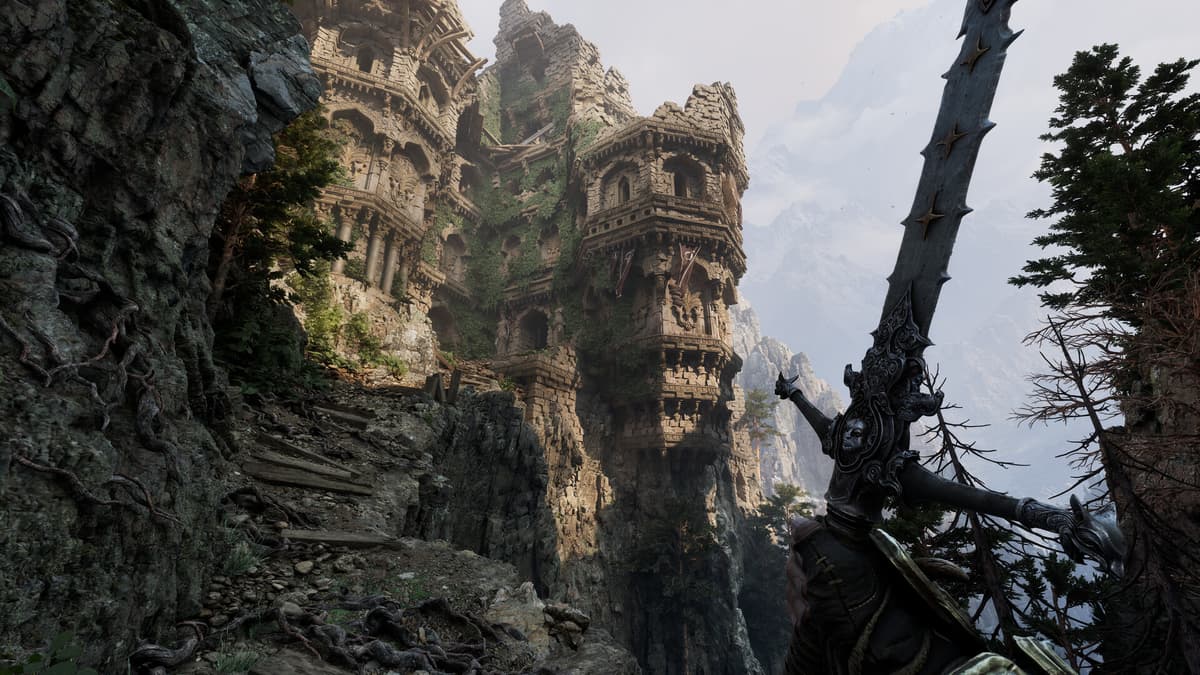
- •Stunning lighting and environments set a high visual bar
- •Combat feels slow, clunky, and hard to master
- •Linear design limits exploration and player agency
- •Skill tree forces exclusive upgrades, restricting builds
- •Micro‑stutters persist despite DLSS and high settings
Pulse Analysis
The early‑access market has become a proving ground for indie studios, and Paraglacial’s Fatekeeper illustrates both the opportunities and pitfalls of this model. At a modest $10 price point—currently reduced by 20%—the game lowers the entry barrier for budget‑conscious gamers. Its visual design, especially the dynamic lighting and richly textured ruins, competes with higher‑budget titles and draws players seeking an immersive fantasy world. However, visual fidelity alone cannot sustain long‑term engagement; players quickly evaluate core gameplay loops, and here Fatekeeper falls short.
Combat is the centerpiece of any action‑adventure, and Fatekeeper’s weighty, sluggish mechanics undermine its appeal. Players report delayed animation transitions, imprecise parries, and a skill tree that forces exclusive investment in melee, magic, or survivability, preventing hybrid builds. This design rigidity, combined with a linear level structure, curtails replayability and discourages experimentation. Moreover, enemy AI quirks—such as archers that cannot be staggered and static foes that block paths—exacerbate frustration, especially when stamina management becomes a constant concern. In a genre where fluidity and responsiveness are expected, these shortcomings risk alienating the very audience the game aims to attract.
Looking ahead, Fatekeeper’s future hinges on responsive updates that address combat responsiveness, expand progression flexibility, and smooth performance hiccups. Early‑access players often serve as a de‑facto QA team, and Paraglacial’s willingness to adjust plans based on community feedback could transform the title into a solid mid‑tier dungeon crawler. By aligning its visual strengths with tighter combat loops and a more open skill system, Fatekeeper can carve a niche alongside titles like Kingdom Come: Deliverance and Vermintide, offering a compelling blend of atmosphere and action for budget‑friendly gamers.
Fatekeeper Early Access Review – A Promising Fate, Still Being Forged
Comments
Want to join the conversation?
Loading comments...