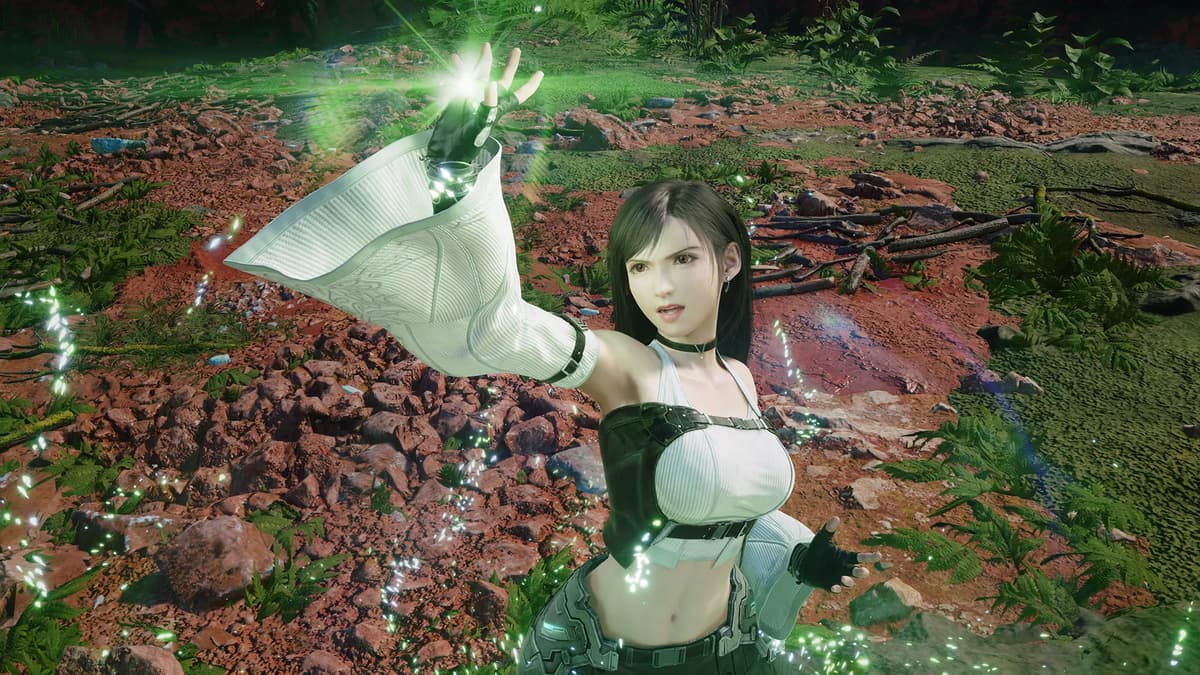
FF7 Remake Trilogy’s Ending Was Mapped Out From the Start, and Hamaguchi Says He’s ‘Confident’ in It
Companies Mentioned
Why It Matters
A pre‑planned ending ensures narrative cohesion across multiple releases, strengthening the franchise’s brand and fan loyalty while signaling Square Enix’s commitment to long‑term storytelling.
Key Takeaways
- •Ending was plotted from the project's earliest development stages
- •Original director Yoshinori Kitase helped shape the finale
- •Revelation announced at Summer Game Fest, concluding the remake trilogy
- •Hamaguchi says the team will retain mini‑games despite criticism
- •Developer stresses creative vision over reacting to mixed fan feedback
Pulse Analysis
The decision to map the Final Fantasy 7 remake trilogy’s climax from day one reflects a growing industry trend toward serialized, cinematic game experiences. By establishing a clear endpoint early, Square Enix can align story beats, character arcs, and gameplay innovations across three separate releases, reducing the risk of narrative drift that has plagued other long‑form projects. This foresight also streamlines resource allocation, allowing teams to iterate on core mechanics while keeping the overarching plot on track, ultimately delivering a more satisfying payoff for players who have invested years in the saga.
Hamaguchi’s comments on fan feedback reveal a nuanced design philosophy. While acknowledging criticism of mini‑games in the second installment, Rebirth, he argues that over‑catering to every opinion can dilute a game’s identity. By balancing critique with a firm creative vision, the studio aims to preserve the series’ distinctive tone and risk‑taking spirit. This stance resonates with broader debates in game development about the trade‑off between community‑driven adjustments and artistic integrity, suggesting Square Enix will prioritize a cohesive experience over a purely reactionary approach.
From a business perspective, a well‑orchestrated trilogy conclusion can boost long‑term revenue streams and reinforce brand equity. Anticipation for Revelation is likely to drive pre‑orders, merchandise sales, and renewed interest in earlier titles, creating a virtuous cycle of engagement. Moreover, the clear narrative roadmap signals to investors that Square Enix is capable of executing multi‑year projects without losing focus, a valuable trait in an industry where development delays are common. As the final chapter approaches, the company’s confidence may translate into stronger market performance and set a benchmark for future episodic releases.
FF7 Remake trilogy’s ending was mapped out from the start, and Hamaguchi says he’s ‘confident’ in it
Comments
Want to join the conversation?
Loading comments...