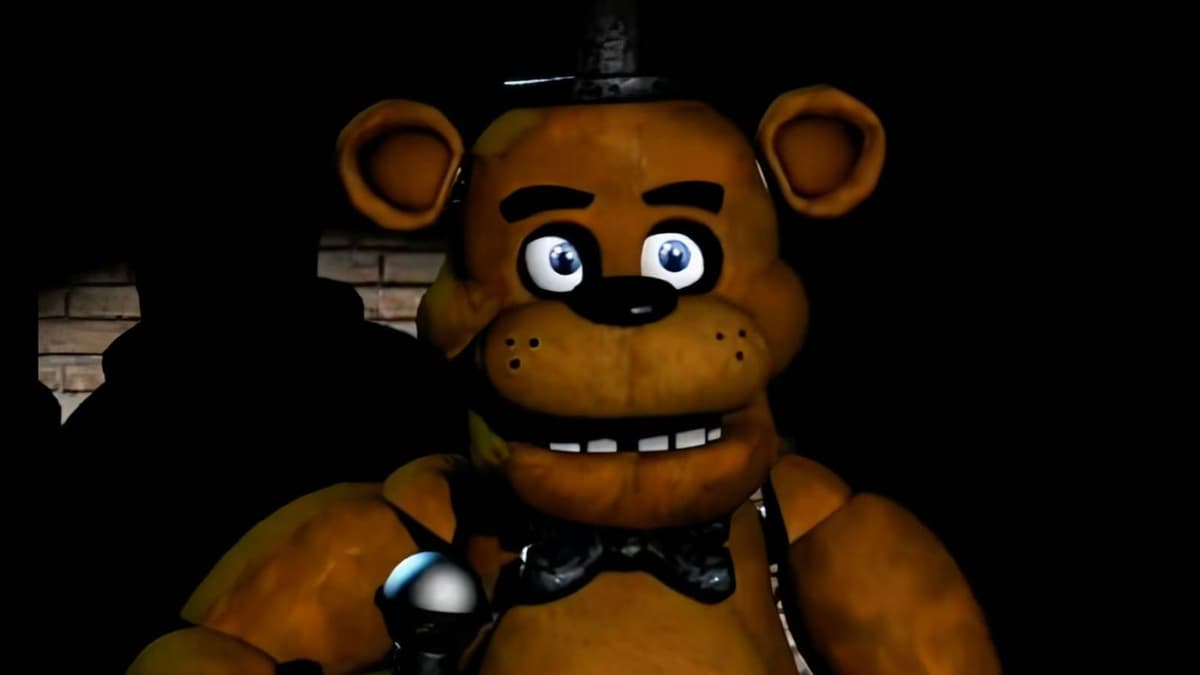
FNAF Fan Makes Freddy Fazbear Suit With Working Springlocks
•February 22, 2026
0
Why It Matters
The build demonstrates how hobbyist technology can create realistic, hazardous animatronics, prompting safety discussions within the cosplay and entertainment prop communities. It also highlights the growing influence of viral fan projects on mainstream media and product design.
Key Takeaways
- •Jake Laser built functional Freddy suit with spring‑lock mechanism.
- •Suit uses nanotech memory metal that reacts to electricity.
- •Demonstrations show suit can pierce metal and spray simulated blood.
- •Project highlights safety risks of realistic animatronic props.
- •Fan creations blur line between cosplay and engineering.
Pulse Analysis
The emergence of hyper‑realistic fan props like Jake Laser’s Freddy Fazbear suit reflects a convergence of maker culture and advanced materials science. By leveraging nanotech memory alloys, the creator replicated the iconic spring‑lock system that defines the Five Nights at Freddy's horror aesthetic. This level of engineering, once confined to professional studios, is now accessible to individual creators, blurring the boundaries between hobbyist cosplay and functional robotics. The viral Instagram videos illustrate not only technical prowess but also the appetite for immersive, tactile experiences among gaming fans.
While the suit’s visual impact is undeniable, its lethal capabilities raise pressing safety concerns. The spring‑lock mechanism can generate enough force to slice through metal and expel simulated blood, suggesting that mishandling could result in serious injury. As fan‑made animatronics become more sophisticated, industry regulators and event organizers may need to establish clearer guidelines for prop safety, especially at conventions where such items are displayed or worn. The incident also serves as a cautionary tale for creators who might underestimate the risks associated with integrating high‑energy components into wearable costumes.
Beyond the immediate spectacle, the project signals broader trends in entertainment and product development. Franchises like Five Nights at Freddy's are inspiring real‑world innovations that could inform future theme‑park attractions, immersive theater, and even therapeutic robotics. By translating a virtual horror element into a physical artifact, fans are inadvertently contributing to a feedback loop that fuels both fan engagement and commercial opportunity. As the line between digital narrative and tangible experience continues to blur, companies will likely monitor such grassroots innovations for inspiration, while also navigating the ethical and safety implications they introduce.
FNAF Fan Makes Freddy Fazbear Suit With Working Springlocks
0
Comments
Want to join the conversation?
Loading comments...