Gaming News and Headlines
  • All Technology
  • AI
  • Autonomy
  • B2B Growth
  • Big Data
  • BioTech
  • ClimateTech
  • Consumer Tech
  • Crypto
  • Cybersecurity
  • DevOps
  • Digital Marketing
  • Ecommerce
  • EdTech
  • Enterprise
  • FinTech
  • GovTech
  • Hardware
  • HealthTech
  • HRTech
  • LegalTech
  • Nanotech
  • PropTech
  • Quantum
  • Robotics
  • SaaS
  • SpaceTech
AllNewsDealsSocialBlogsVideosPodcastsDigests

Gaming Pulse

EMAIL DIGESTS

Daily

Every morning

Weekly

Sunday recap

NewsDealsSocialBlogsVideosPodcasts
GamingNewsFormer Capcom Developer Has Spent Over $500K On Microtransactions In His Own Gacha Game
Former Capcom Developer Has Spent Over $500K On Microtransactions In His Own Gacha Game
Gaming

Former Capcom Developer Has Spent Over $500K On Microtransactions In His Own Gacha Game

•February 18, 2026
0
TheGamer
TheGamer•Feb 18, 2026

Companies Mentioned

Capcom

Capcom

9697

Why It Matters

Okamoto’s self‑funded testing underscores how intensely developers chase monetization insights, raising questions about player fairness and regulatory oversight. It also signals that the gacha model’s profitability hinges on understanding whale behavior at a granular level.

Key Takeaways

  • •Okamoto spent ¥80M on his own game's microtransactions.
  • •Monster Strike tops global mobile game revenue rankings.
  • •Developer aims to empathize with high‑spending “whales”.
  • •Gacha mechanics rely on artificial scarcity and randomness.
  • •Okamoto retiring early 2027 after mobile focus.

Pulse Analysis

Yoshiki Okamoto’s revelation that he has poured more than half a million dollars into his own gacha ecosystem is a rare glimpse into the lengths mobile developers will go to perfect monetization. As the architect of Monster Strike, a title that eclipses all other mobile games in revenue, Okamoto leverages his personal spending to simulate the psychological triggers that drive high‑spending players, often called whales. This hands‑on approach provides data that analytics alone cannot capture, such as the emotional response to random draws and perceived scarcity.

The practice highlights a broader industry trend where developers treat player spend patterns as a scientific variable. By experiencing the game as a top spender, Okamoto can fine‑tune drop rates, pricing tiers, and event timing to maximize engagement without alienating the broader user base. However, this methodology also raises ethical concerns: if developers are willing to invest personal fortunes to exploit psychological hooks, regulators may scrutinize gacha mechanics for predatory design, especially in markets with younger demographics. The balance between profit and player protection is becoming a focal point for policymakers worldwide.

Looking ahead, Okamoto’s impending retirement in early 2027 may signal a shift in leadership philosophy within the Japanese mobile sector. New executives might either double down on data‑driven monetization or pivot toward more transparent, player‑friendly models to preempt regulatory backlash. Either path will shape the future of gacha games, influencing how developers allocate resources, design reward systems, and communicate value to both casual gamers and high‑spending enthusiasts alike.

Former Capcom Developer Has Spent Over $500K On Microtransactions In His Own Gacha Game

By Jack Coleman (He/Him), News Editor · Published Feb 18 2026, 10:15 AM EST

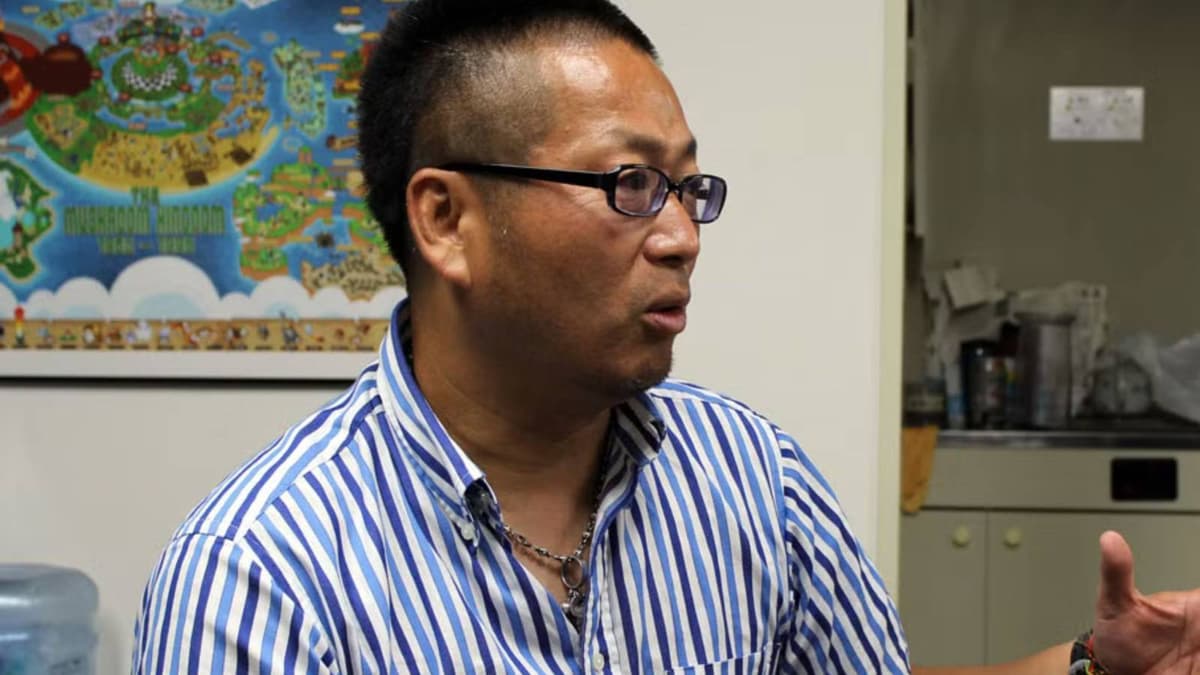
Yoshiki Okamoto—a video‑game producer who formerly worked at Konami and Capcom—recently appeared on a Japanese television show that explores the lives of people who have both amassed and lost huge amounts of money (thanks to Automaton).

Okamoto, best known for producing Street Fighter 2, founded Game Republic after leaving Capcom. The company wasn’t successful enough to sustain itself, and Okamoto ended up absorbing ¥11 million of debt in 2011. He announced that he was finished producing console games and would focus solely on the mobile market from then on.

Okamoto is also partially responsible for the creation of Rockstar’s Red Dead series. The original Red Dead Revolver was a spiritual successor to Okamoto’s Gun.Smoke. The game was in development until Okamoto left the company mid‑development, which put the project into limbo until Rockstar purchased the intellectual‑property rights and finished it.

Okamoto Spends Millions Of Yen On Monster Strike

Okamoto then began to produce games for Mixi, a Japanese social network. At Mixi, the veteran producer created Monster Strike, a mobile RPG that went on to become the highest‑grossing mobile game in the world.

On the show, Okamoto revealed some of the quirky ways he’s been using the wealth he generated through Monster Strike, admitting that he spends a lot of money purchasing microtransactions in the game so he can better gauge how fair it is for its highest spenders. Shockingly, Okamoto has spent over ¥80 million (≈ $520 000) on gacha games he produces.

In response to users asking why he would spend so much money on microtransactions, Okamoto said, “I’m always diligent with my work. Even if there were such things as admin privileges, if I were to use them, it would be hard to understand players’ feelings.”

Okamoto has a point here: gacha games where players have infinite money probably wouldn’t be too popular. There has to be artificial scarcity and an element of randomness to create the chemical feedback loop that players crave. The concept of gacha, blind boxes and other similar marketing techniques are designed to evoke the same feeling someone gets while gambling.

The veteran producer is set to retire at the beginning of 2027, per an announcement Okamoto made on his personal YouTube channel.

Read Original Article
0

Comments

Want to join the conversation?

Loading comments...