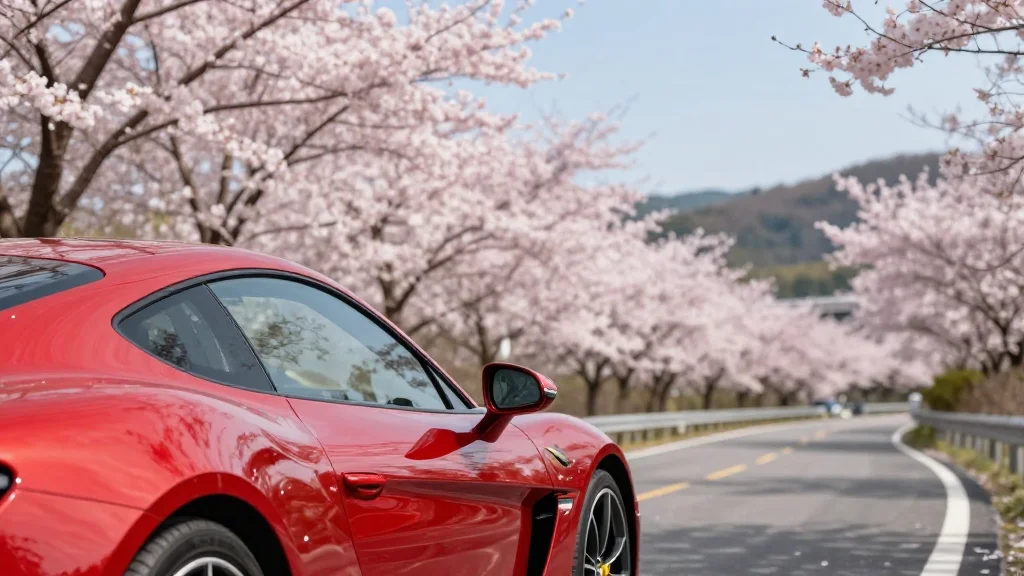
Forza Horizon 6 Dazzles with Japan’s Open World but Plays It Safe

Companies Mentioned
Why It Matters
Forza Horizon 6 arrives at a pivotal moment for open‑world racing games, where visual fidelity and live service models intersect. Its successful deployment across a broad hardware spectrum demonstrates Microsoft’s commitment to making premium titles accessible to both console and PC audiences, reinforcing the Xbox ecosystem’s value proposition. Moreover, the game’s deepening emphasis on user‑generated content and multiplayer hubs signals a shift toward community‑driven longevity, a trend that could reshape revenue models for racing franchises. The mixed reception—praise for the map and graphics versus criticism of a safe design—highlights a broader industry tension: how to innovate without alienating a loyal fan base. Playground Games’ ability to iterate on familiar formulas while introducing meaningful new features will likely influence upcoming titles from both Microsoft and competing studios seeking to balance novelty with brand consistency.
Key Takeaways
- •Forza Horizon 6 launches with a Japan‑set open world praised for visual fidelity and iconic landmarks.
- •Performance tests show 1 % low frame rates above 60 fps on recommended specs (Ryzen 5 5600X + RTX 3060 Ti).
- •CPU utilization averages 70‑80 % and spikes to 90 % during heavy reflection scenes.
- •New “Discover Japan” side‑quest line adds touge races and street‑racing events.
- •Multiplayer enhancements include car‑meet hubs and a recommended event menu to boost community play.
Pulse Analysis
Forza Horizon 6 underscores how a franchise can leverage a fresh geographic setting to reinvigorate its core experience without overhauling the formula that made it successful. The Japanese map not only provides a visual upgrade but also taps into a cultural cachet that resonates with long‑time fans, as evidenced by the enthusiastic reception of landmarks like Mt. Fuji and the Daikoku Parking Area. This strategic choice reflects a broader industry pattern where studios mine regional authenticity to differentiate sequels in a crowded market.
From a technical standpoint, the game’s ability to run smoothly on a spectrum of hardware—from the Steam Deck to high‑end RTX 7900 XT rigs—demonstrates Microsoft’s continued focus on scalability. The high CPU load, however, suggests that future optimizations could shift more work onto the GPU, potentially unlocking higher ray‑tracing fidelity without sacrificing frame rates. If Playground Games can address these performance bottlenecks through patches, it will not only improve the immediate player experience but also set a benchmark for next‑gen racing titles.
Finally, the tension between familiar gameplay loops and the desire for innovation will shape Horizon 6’s post‑launch trajectory. While reviewers commend the map and new features, the perception of a “safe” design may pressure the studio to deliver substantive updates—new events, deeper progression systems, and expanded user‑generated content—to keep the community engaged. Success in this arena could cement Forza Horizon 6 as a long‑term service platform, influencing how racing games approach live‑service models in the years ahead.
Forza Horizon 6 dazzles with Japan’s open world but plays it safe
Comments
Want to join the conversation?
Loading comments...